
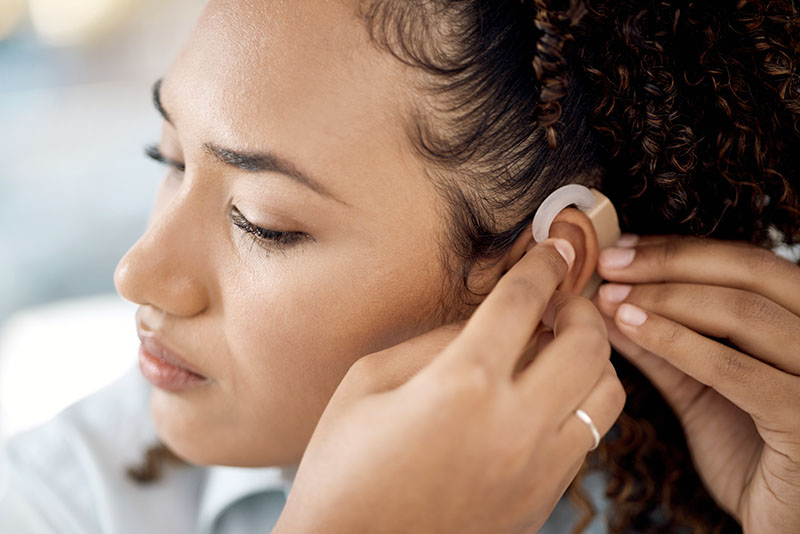
It is imperative to understand that hearing aids require consistent maintenance, which many overlook. While some may assume that they can manage repairs independently, it is essential to note that they are challenging to identify without sufficient expertise. As an owner of hearing aids, one should recognize the signs of hearing device damage, know how to maintain their hearing aids, and be knowledgeable of the repair process and reputable repair centers.
How to Maintain Your Hearing Aids
Hearing aids are intricate and sophisticated devices compactly designed to be placed inside or outside the ear. At times, these devices may encounter issues that could lead to damage or malfunction. It is imperative to understand how to address these concerns. While engaging in do-it-yourself maintenance practices may help preserve the condition of your hearing aids, it is critical to consult a hearing health professional to differentiate between issues requiring fixing or genuine damage. Self-care plays a crucial role in maintaining the optimal functionality of your hearing aids.
Avoiding Moisture
As with any technological device, proper maintenance is essential to maintaining hearing aids. One of the best practices to ensure the longevity of your hearing aids is to avoid moisture damage. We recommend removing your hearing aids before showering or swimming, and if you must go out in the rain, we urge you to use an umbrella or a hood to protect them. These straightforward steps will help protect your hearing aids from moisture damage. If you notice excess moisture on your hearing aids, we recommend using a hearing aid dehumidifier. This will reduce moisture buildup and keep your hearing aids sanitized and clean. It will also ensure the quality of your hearing aids and prevent any damage that could result in costly repairs.
Maintaining the Battery
Ensuring the battery is consistently working optimally is imperative to maintain your hearing aids’ optimal functionality. If you notice any indication of a decrease in battery life, it is highly recommended that you seek the advice of a hearing healthcare professional for a battery replacement. This will ensure that your hearing experience remains uninterrupted and that the quality of service provided by your hearing aids is consistently at its best.
Removing Wax Buildup
Earwax buildup is a common challenge faced by individuals who use hearing aids. This accumulation can obstruct the devices, leading to discomfort and reduced performance. However, a simple nightly routine of gently drying the devices can help prevent significant wax buildup issues, ensuring optimal performance and comfort for the hearing aids. It is recommended that individuals experiencing earwax buildup seek the guidance of their hearing health professional. They may suggest ear irrigation to soften the wax, flush it out, and remove it if needed. This professional guidance will help to ensure that optimal performance and comfort of the hearing aids are maintained.
Keeping Them at the Right Temperature
It is imperative to store your hearing devices appropriately, irrespective of the temperature fluctuations in your vicinity. It is strongly advised not to leave them unattended in a hot car during summer or outside during winter. To ensure the safety of your hearing aids during the winter months, use hats, scarves, or earmuffs. It is wise to keep them in a cool and dark place during the summer. We suggest storing your hearing aids in a protective case to prevent damage and ensure their overall safety.
Frequently Asked Questions
Consistent maintenance is vital for hearing aids because these sophisticated devices are prone to damage and malfunction if not properly cared for. Regular upkeep helps identify potential issues early, ensuring the devices continue to function optimally and prolonging their lifespan. Neglecting maintenance can lead to costly repairs and reduced hearing quality.
To protect hearing aids from moisture damage, remove them before showering or swimming, and shield them from rain using an umbrella or hood. Using a hearing aid dehumidifier can also help reduce moisture buildup and keep the devices clean and sanitized, preventing damage and preserving sound quality.
If you notice a decline in hearing aid battery life, it is recommended to consult a hearing healthcare professional for a battery replacement. Professional advice ensures that the replacement batteries are compatible and that your hearing aids continue to perform effectively without interruption.
Earwax buildup can block hearing aids, causing discomfort and degraded device performance. Regularly wiping the devices gently can prevent buildup. For significant wax accumulation, it's advised to seek professional help where procedures like ear irrigation may be used to safely remove wax and maintain hearing aid comfort and function.
Hearing aids should be stored in a cool, dark place away from extreme temperatures. Avoid leaving them unattended in hot cars or exposed outdoors in winter. Using protective cases and wearing hats or earmuffs in cold weather can help protect and preserve the devices' functionality.
While some minor maintenance can be done at home, repairing hearing aids typically requires professional expertise. Improper handling can worsen damage or void warranties. It's crucial to recognize signs of damage and consult reputable repair centers or hearing health professionals for repairs to ensure proper care and functionality.
Hearing health professionals can accurately identify whether issues with your hearing aids require repair or simple maintenance. Their expertise ensures that your devices are properly cared for, preventing unnecessary damage or malfunction and extending the lifespan of your hearing aids.