
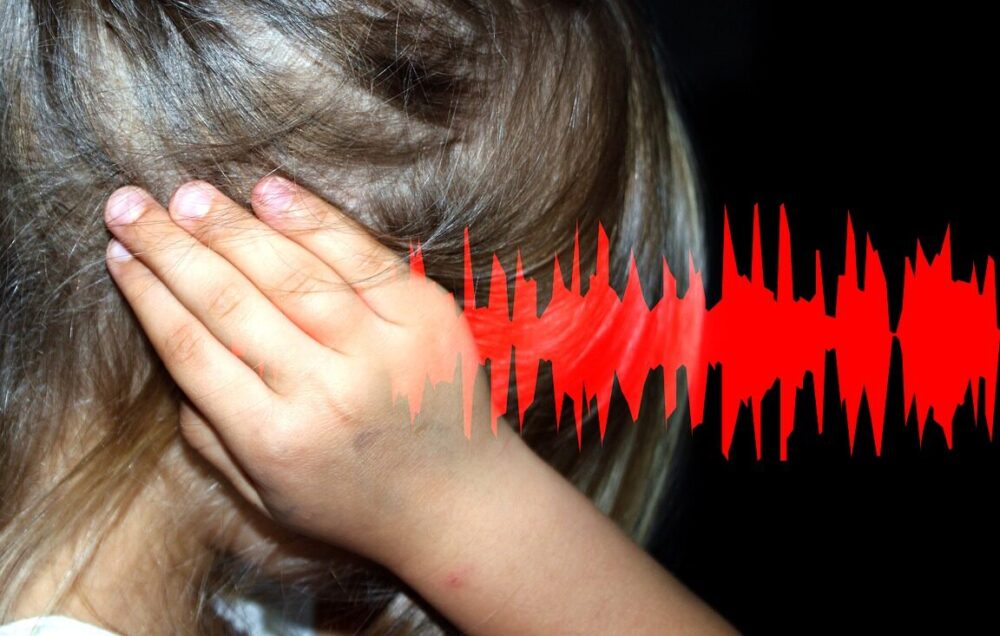
Unwelcome noise can be bothersome. However, it’s worse when you are the only one who can hear it. For those that hear a humming, buzzing, clicking, ringing, whistling, whooshing, or hissing sound in one or both of your ears that isn’t audible to others, you are not crazy. You are just experiencing tinnitus. According to the American Tinnitus Association, tinnitus is a common symptom of roughly 200 potential causes that affects nearly 50 million Americans. Unfortunately, doctors still don’t know precisely how tinnitus occurs due to the vast number of health disorders tinnitus can be a symptom of, so currently, there is no definitive cure. This is unfortunate because tinnitus symptoms can be maddening for a person to deal with and can negatively impact a person’s quality of life.
What are Some of the Common Causes of Tinnitus?
-
-
-
-
-
-
Hearing loss
-
Aging
-
Hormonal changes
-
Earwax buildup
-
Noise exposure
-
Medications
-
Head or neck trauma
-
TMJ
-
-
-
-
-
While a definitive cure is not known, in some instances, if the underlying problem is discovered and treated, the treatment of the issue may relieve tinnitus symptoms. However, for those searching for answers, there are some alternative treatment methods that you can try that may help give you relief. While nothing takes the place of a doctor’s diagnosis and advice, acupuncture is one method that has become increasingly popular as a safe alternative treatment method. An ancient practice that places fine, thin needles into the skin along the body’s meridian points to help promote healing. Numerous controlled studies have demonstrated that acupuncture might be an effective method for alleviating tinnitus symptoms.
It is important to remember that while acupuncture might work for some, this is still not a one-size-fits-all approach. Like other alternative treatment methods, it may work for some, but it may not work for everyone. However, even if acupuncture doesn’t help the noise level in a person’s ear, it could help them cope with tinnitus. Many people find acupuncture to be relaxing, which in itself can be considered an alternative treatment method. If a person is relaxed, this may help the patient cope with tinnitus symptoms, even if the noise level remains unchanged. Since acupuncture activates your body’s natural healing response, which releases endorphins and enkephalins into your body, in turn, this can help you relax and relieve pain.
To help support the idea behind the benefits of tinnitus and acupuncture, researchers from China’s Hubei Province Hospital conducted a trial on the effects of acupuncture and ginger moxibustion on patients who were experiencing tinnitus symptoms. At the end of the stud, it was revealed that 91% of the patients experienced an improvement in their tinnitus symptoms. In another study, researchers from Isfahan University of Medical Sciences gathered 54 tinnitus patients and divided them into a placebo and treatment group. The end of the study revealed that the placebo group had no significant changes, while the treatment group showed significant reductions in tinnitus symptoms.
While alternative treatments such as acupuncture may give you relief, it is crucial that you consult with your physician first before undergoing acupuncture treatment. If you are in the NYC area and are looking for answers, give us a call today.
Frequently Asked Questions
Tinnitus is the perception of ringing, buzzing, clicking, or other sounds in the ears that are not audible to others. It affects nearly 50 million Americans and can be a symptom of about 200 different health conditions. Although the exact cause is often unknown, it is a widespread issue impacting many individuals.
Common causes of tinnitus include hearing loss, aging, hormonal changes, earwax buildup, exposure to loud noise, certain medications, head or neck trauma, and temporomandibular joint (TMJ) disorders. Identifying and treating these underlying issues can sometimes alleviate tinnitus symptoms.
Currently, there is no definitive cure for tinnitus due to the complexity and variety of its underlying causes. However, treating the underlying health condition in some cases may help reduce symptoms. Additionally, some alternative treatments might provide symptom relief or help patients cope with the condition.
Acupuncture is an alternative treatment involving the insertion of fine needles into specific points on the body to promote healing. Studies suggest acupuncture may reduce tinnitus symptoms by stimulating the body's natural healing responses, releasing endorphins and enkephalins that promote relaxation and pain relief, which can help some patients manage tinnitus better.
Yes, several controlled studies have demonstrated the potential effectiveness of acupuncture in alleviating tinnitus symptoms. For example, a study in China showed 91% of patients experienced improvement, while another showed significant symptom reduction in a treatment group compared to placebo. However, results can vary between individuals.
No, acupuncture is not a one-size-fits-all solution. While it may help some people by reducing symptoms or aiding relaxation, it might not work for everyone. The effectiveness varies individually, and it is important to consult a healthcare professional before starting treatment.
Relaxation can help patients cope with the stress and discomfort caused by tinnitus. Acupuncture promotes relaxation by triggering the release of natural pain-relieving chemicals in the body, which may reduce the perception of tinnitus or make it easier to manage, even if the noise itself does not disappear.
Before trying acupuncture or any alternative treatment for tinnitus, it is important to consult with your physician. A professional diagnosis and understanding of your underlying condition can help ensure safe and effective treatment and avoid overlooking serious health issues.