
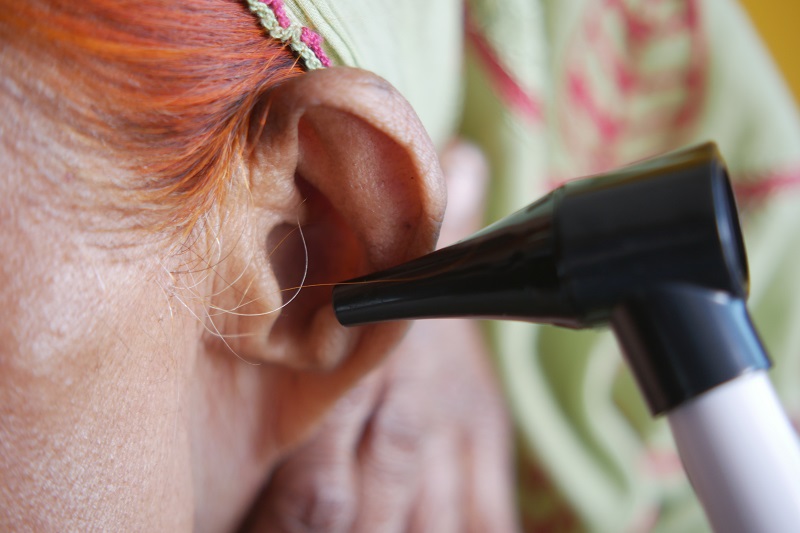
Sudden sensorineural hearing loss (SSHL) is a condition characterized by a rapid decline in hearing, which may show up abruptly or evolve progressively over several days. The degree of hearing loss can vary significantly among individuals, and the condition may be either temporary or permanent. While some individuals may informally refer to this phenomenon as an “ear stroke,” the terminology used by medical professionals is “sudden sensorineural hearing loss” or SSHL.
This article provides a thorough overview of SSHL, detailing its symptoms and underlying causes. It offers guidance on when individuals should seek medical attention and outlines the processes involved in diagnosis and treatment.
Symptoms of Sudden Sensorineural Hearing Loss (SSHL)
The National Institute on Deafness and Other Communication Disorders (NIDCD) defines sudden sensorineural hearing loss (SSHL) as a rapid and unexplained hearing loss that can occur suddenly or diminish over several days. Individuals may notice this loss upon waking or when using the affected ear, sometimes preceded by a noticeable “pop” sound. SSHL usually affects only one ear and may come with additional symptoms, including:
• Ringing in the ear (tinnitus)
• Fullness in the ear
• Dizziness and balance issues
Sudden Sensorineural Hearing Loss (SSHL) is a condition that arises from disruptions in the sensory organs of the inner ear. Several medical conditions can lead to or further exacerbate SSHL, for instance:
• Disorders affecting the inner ear, such as Meniere’s disease
• Ear infections
• Autoimmune diseases
• Circulatory problems
• Traumatic head injuries
• Neurological disorders
• Certain medications, including cancer treatments and drugs used for severe infections.
When to Seek Out Medical Support
According to the NIDCD (National Institute on Deafness and Other Communication Disorders), approximately 90% of cases of SSHL (sudden sensorineural hearing loss) are classified as idiopathic, indicating that they occur without a known cause. Recognized as a medical emergency, SSHL necessitates prompt intervention. Without timely treatment, SSHL can result in irreversible hearing loss. Consequently, it is imperative for individuals experiencing symptoms of SSHL to seek immediate care at an emergency department or urgent care facility.
Treatment Options for SSHL
The National Institute on Deafness and Other Communication Disorders indicates that corticosteroids are the standard treatment for sudden sensorineural hearing loss (SSHL), particularly when the cause is unknown. These medications help reduce inflammation and swelling, potentially aiding in hearing restoration. Doctors may prescribe corticosteroids or administer them via injection into the middle ear to enhance their effectiveness in reaching the inner ear. The NIDCD emphasizes the importance of starting treatment promptly, as delaying intervention for more than 2 to 4 weeks may result in permanent hearing loss.
Hearing issues can significantly impact an individual’s communication abilities, particularly in cases of sudden hearing loss, which does not provide time for adjustment. People experiencing hearing difficulties should strive to stay engaged in communication despite initial challenges. It is essential to seek out prompt medical evaluation, as delaying treatment can increase the risk of permanent hearing impairment. Many patients recover their hearing with appropriate intervention, while others may require hearing aids for effective communication. Timely action can significantly influence the outcome.
Frequently Asked Questions
Sudden sensorineural hearing loss (SSHL) is a rapid decline in hearing ability that can occur suddenly or develop over several days. It usually affects one ear and can vary in severity from temporary to permanent loss. SSHL is caused by disruptions in the sensory organs of the inner ear and requires urgent medical attention.
Symptoms of SSHL include sudden hearing loss in one ear, often noticed upon waking or suddenly during the day. Other symptoms may include ringing in the ear (tinnitus), a feeling of fullness in the ear, dizziness, and balance problems. Sometimes a popping sound is heard before hearing loss occurs.
Common causes of SSHL include inner ear disorders like Meniere's disease, ear infections, autoimmune diseases, circulatory problems, head injuries, neurological disorders, and side effects from certain medications such as cancer treatments. However, about 90% of SSHL cases are idiopathic with no known cause.
SSHL is considered a medical emergency, and individuals experiencing sudden hearing loss or related symptoms should seek immediate care at an emergency or urgent care facility. Prompt medical attention is critical because delays in treatment can lead to permanent hearing damage.
Diagnosis of SSHL typically involves a thorough medical history review, physical examination, and audiometric testing to assess hearing levels. Additional tests may include MRI or blood tests to rule out underlying causes. Early diagnosis is essential to guide timely and effective treatment.
The primary treatment for SSHL is corticosteroids, which reduce inflammation and swelling in the inner ear. These may be prescribed orally or administered via injection into the middle ear to improve effectiveness. Early treatment, ideally within 2 to 4 weeks of onset, significantly increases the chance of hearing recovery.
Yes, if SSHL is not treated quickly, the hearing loss can become permanent due to irreversible damage to the inner ear structures. Timely intervention improves the likelihood of hearing recovery, but some individuals may need hearing aids if hearing does not fully return.