
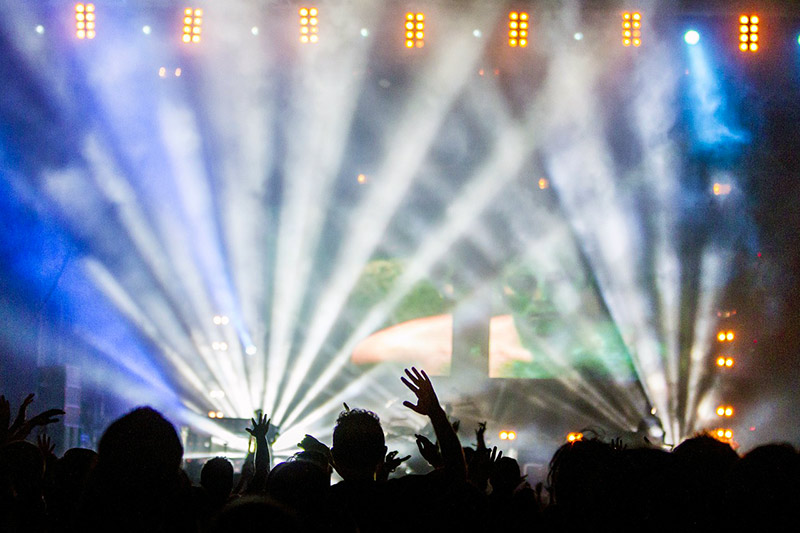
The weather is warming up, and for many avid concert-goers’ this is the prime time to attend a live show. There’s no better way to spend a beautiful day! There is something to be said about seeing your favorite band or artist up on stage, in person, and listening to them sing their souls out. While concerts are fun and exciting, they can have negative consequences on your hearing. Concerts are loud, and between the crowd and the band performing, the sound level can become deafening.
Before you head out to a show, here are some things you should know. Remember, knowledge is power, and by taking note of these concert ear protection tips and facts, you can help preserve your hearing for the long haul.
• Did you know that the ringing sensation in your ears that you often experience after you leave a concert or show is an indicator that you have been exposed to dangerous levels of noise?
• The average decibel level for a concert can be between 100 and 140 decibels, which is thunderous! Hearing damage can occur when the level exceeds 85 decibels, so sounds this loud can most certainly damage your hearing after only a few minutes.
• Exposure to sound levels of 85 decibels and above can cause permanent damage to your hearing. Loud noise can damage the hair cells in your ear or your eardrum.
• Refrain from consuming alcohol. Alcohol can affect the blood flow, which can enhance the sound of ringing (tinnitus) in your ears.
• If you can, make sure you are not sitting near the speakers and do not get too close to the speakers. The decibel level at a show does vary depending on where you are standing, so make sure you help save your ears by positioning yourself as far away from the speakers as possible.
• Ear protection is necessary if you are going to see a live show. However, don’t just rely on any earplug. Not all of them are ideal for concerts, but luckily some are designed specifically for those who love to attend live shows in mind. These handy earplugs are able to protect your ears from the high decibel levels, without sacrificing the sound quality of the music.
Frequently Asked Questions
Concerts often reach decibel levels between 100 and 140, which far exceed the safe limit of 85 decibels. Prolonged or repeated exposure to these loud sounds can damage the hair cells in your ears and even your eardrum, potentially causing permanent hearing loss.
The ringing sensation, known as tinnitus, is a warning sign that you have been exposed to dangerously high noise levels. This suggests temporary or potential long-term damage to the auditory system, so it’s important to take steps to prevent further harm.
Alcohol affects blood flow, which can worsen the experience of tinnitus or ringing in the ears after loud noise exposure. Avoiding alcohol at concerts can help reduce the intensity of this ringing and protect your hearing health.
To protect your hearing, try to stay as far from the speakers as possible, avoid direct proximity to loud sound sources, and consider wearing concert-specific earplugs designed to reduce volume without sacrificing music quality. These steps help minimize noise exposure and preserve your hearing.
Not all earplugs are effective for concerts. Some may overly muffle sound, reducing music enjoyment. However, specially designed concert earplugs protect your ears from high decibel exposure while maintaining sound clarity, making them ideal for live shows.
Any sound above 85 decibels can potentially cause hearing damage, and concerts typically range from 100 to 140 decibels. This high noise level can cause immediate damage or increase the risk of hearing loss over time if proper protection isn't used.