
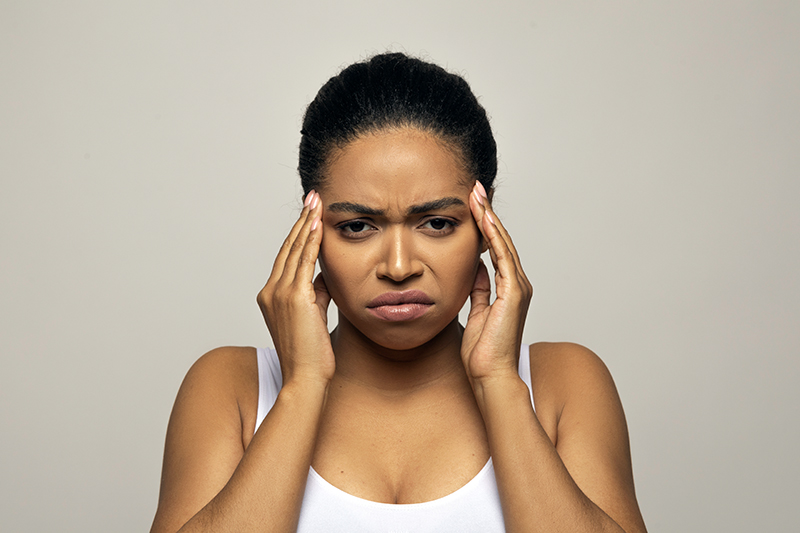
Are you questioning whether your recent headaches are associated with your hearing aids? This suspicion may not be far-fetched. While it is uncommon, whether new or old, your hearing aids can cause headaches under the right circumstances. However, please don’t put them aside too early, as many other factors could account for your headaches. If your hearing aids are the cause, a hearing care professional can likely resolve the issue quickly.
Are Your Hearing Aids the Cause of Your Headaches?
Your Brain Could Be Out Of Practice
Your brain and ears need to work together to accomplish hearing. As your ears gather sound and translate the sound waves into impulses, they send those signals to your brain to be processed and experienced. But when hearing diminishes, your brain becomes accustomed to receiving less sound. When this happens, your brain can become out of practice. So when you get hearing aids, it abruptly has a lot more sound input. It’s like using a muscle that has been unused for a long time and then starts running a marathon. This increased sound exposure could stress your brain, causing mental exhaustion and, eventually, a headache.
Even Small Sounds Can Become Overwhelming
The influx of constant sounds can be a potential trigger for headaches for those new to hearing aids. The resurgence of subtle small sounds, such as the clicking of appliances, birds chirping, or the crunch of leaves, reintroduces sounds that may have been absent for a long time. This sudden exposure, or the realization of its absence, can be overwhelming. Consequently, your brain has to readjust to these sounds and focus attention accordingly. This cognitive effort can be demanding, resulting in mental fatigue and headaches.
Your Hearing Aids May Need Adjustments
Your hearing aids were initially calibrated based on a comprehensive evaluation of your audiogram. Nevertheless, you may encounter situations where your hearing aids perform optimally, and in other environments, an excess of sound or volume may result in discomfort or headaches. While the fit and function of your devices may have been satisfactory during the initial fitting, they could prove less effective or too sensitive in uncontrolled environments, potentially leading to discomfort or headaches.
Older Devices
Changes in hearing ability may surface over time due to factors like aging, noise exposure, and other variables. It is important to recognize that using hearing aids does not avert the potential for further deterioration in your hearing ability. Hearing aids may also wear out after prolonged use and regular cleanings. In either case, as the brain receives reduced audio stimulation, it can return to the same state before using hearing aids. Long intervals between adjustments or transitioning to newer devices could induce cognitive fatigue and headaches.
If you suspect that your headaches are connected to your hearing aids, we advise you to consult with a hearing care specialist for evaluation and guidance. They can advise you on how to proceed with your new devices in ways that will better support your brain’s increased workload. Today’s hearing aids are very advanced; most volume or fit issues can be resolved without compromising sound quality through a few simple adjustments.
Frequently Asked Questions
Yes, hearing aids can cause headaches, especially when you first start using them. This is because your brain is adjusting to the increased sound input after a period of reduced hearing, which can lead to mental fatigue and headaches. If headaches persist, hearing care professionals can evaluate and adjust your devices to alleviate the problem.
New hearing aid users may find small sounds like appliance clicks or bird chirps overwhelming because their brain is re-acclimating to these subtle noises. This increased cognitive effort to process and focus on new or previously unheard sounds can lead to mental exhaustion and headaches.
Hearing aid settings are initially based on your audiogram, but real-world environments may reveal issues like excessive volume or sensitivity that cause discomfort or headaches. A hearing care professional can adjust the volume and fit of your devices to improve comfort and reduce headaches without compromising sound quality.
Yes, older hearing aids can contribute to headaches because hearing loss can progress over time and devices may wear out, causing diminished audio stimulation. This reduced effectiveness requires your brain to work harder or revert to a less stimulated state, leading to cognitive fatigue and headaches. Regular evaluations and upgrades are important.
It is normal because the brain has been receiving less sound input due to hearing loss and suddenly must process many new sounds. This sudden increase in auditory information can be like exercising an unused muscle, causing mental exhaustion, which may result in headaches during the adjustment period.
If you suspect your hearing aids are causing headaches, you should consult a hearing care specialist. They can evaluate your devices and hearing health, make necessary adjustments, and provide guidance on how to better acclimate your brain to the new sounds, ensuring comfort and reducing headache risks.