
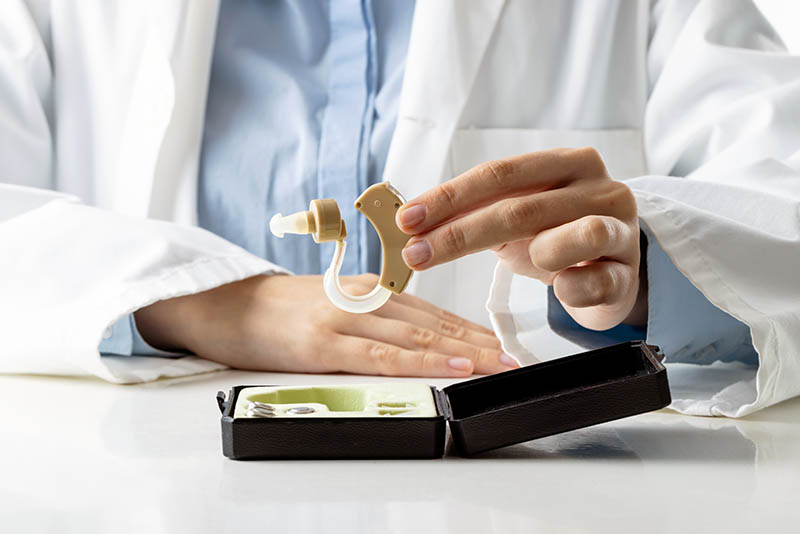
Hearing aid myths can create a barrier between you and your hearing health. When correctly fitted, hearing aid technology can effectively manage most cases of hearing loss. However, over 80% of children and adults worldwide who could benefit from hearing aids do not utilize them, leaving at least one in five individuals without the beneficial assistance. While lack of access may contribute, misconceptions and myths can also present barriers.
In this article, we hope to dispel the most common hearing aid myths that can impede better hearing health. Some of these myths may resonate with you or bring to mind the ideas that have given you pause about hearing technology. Getting accurate information could be the essential push you or a loved one needs to recover the sounds of life that no one should miss out on needlessly.
Hearing Aid Myths: The Truth Behind the Misconceptions
Misconception: Hearing aid devices are expensive.
Reality:
Modern hearing aid technologies are available in a wide range of cost-effective tiers. In addition, insurance coverage and financing agreements can cover significant costs. In truth, not taking action on this issue could result in a substantial impact in the future.
Misconception: A sound amplification device is enough to deal with hearing loss
Reality:
Personal amplifiers are designed for situations when a particular sound needs to be louder. These devices are not regulated or recommended to assist with hearing loss. In fact, they could make hearing issues worse if misused.
Misconception: Only older adults and senior citizens need hearing aids.
Reality:
Hearing loss can impact anyone of any age. Hearing issues do not single out any particular type of individual and are considered a significant public health issue.
Misconception: Hearing aid devices are unsightly and cumbersome.
Reality:
Modern hearing aid devices have followed the trend of other technologies; they have gotten smaller and smarter, and in many cases, they are almost unnoticeable.
Misconception: Hearing aids are difficult to maintain.
Reality:
While modern hearing aids require regular cleaning and maintenance, accessories such as cleaning kits and drying machines have made this process easy. Along with internal rechargeable batteries and occasional checkups with a professional, all you need are good habits to keep your hearing aids working properly.
Misconception: Hearing aids don’t address hearing impairment.
Reality:
Anyone who has ever relied on hearing aids would strongly disagree. The science behind hearing health technology has vastly improved the lives of hundreds of millions worldwide. Research has shown that hearing aid technology can improve the mental, social, financial, and even physical health of anyone who uses it.
Misconception: All hearing aids are the same, no matter where they come from.
Reality:
A vast quality difference exists between generic over-the-counter devices and hearing aids fitted by a licensed professional.
Getting hearing aids can seem overwhelming, particularly if misconceptions have given you or the people in your life hesitation about these devices. Typically, people who suspect they have hearing loss wait more than seven years before seeking help.
Research from the Hearing Industry Association’s MarkeTrak online survey found that over 60% of hearing aid users reported quality-of-life improvements. Don’t let misconceptions prevent you or a loved one from advancing toward optimal hearing health. Contact our devoted team today for support on your hearing health journey.
Frequently Asked Questions
Modern hearing aid technologies come in a variety of affordable options. Additionally, insurance coverage and financing plans can help offset costs, making hearing aids more accessible than many realize. Delaying treatment may lead to more significant expenses related to untreated hearing loss in the future.
No, sound amplifiers are designed to make specific sounds louder for situational use and are not regulated or recommended to treat hearing loss. Using them instead of hearing aids may worsen hearing issues due to lack of proper fitting and customization.
Hearing loss can affect individuals of all ages, not just seniors. It is a significant public health issue impacting children and adults alike, emphasizing the importance of proper hearing support regardless of age.
No, today's hearing aids are smaller, smarter, and often nearly invisible. Advances in technology have allowed manufacturers to create devices that are discreet and comfortable, countering the myth that hearing aids are cumbersome or unsightly.
Maintaining modern hearing aids is relatively easy with the help of cleaning kits, drying machines, and rechargeable batteries. Regular professional checkups and good care habits ensure the devices function properly without being burdensome.
Yes, hearing aids are scientifically proven to improve hearing and significantly enhance mental, social, financial, and physical well-being. Millions worldwide benefit from advanced hearing technologies that effectively address hearing impairment.
No, there is a wide quality difference between generic over-the-counter devices and those fitted by licensed professionals. Professional fitting and customization ensure better performance tailored to individual hearing loss needs.