
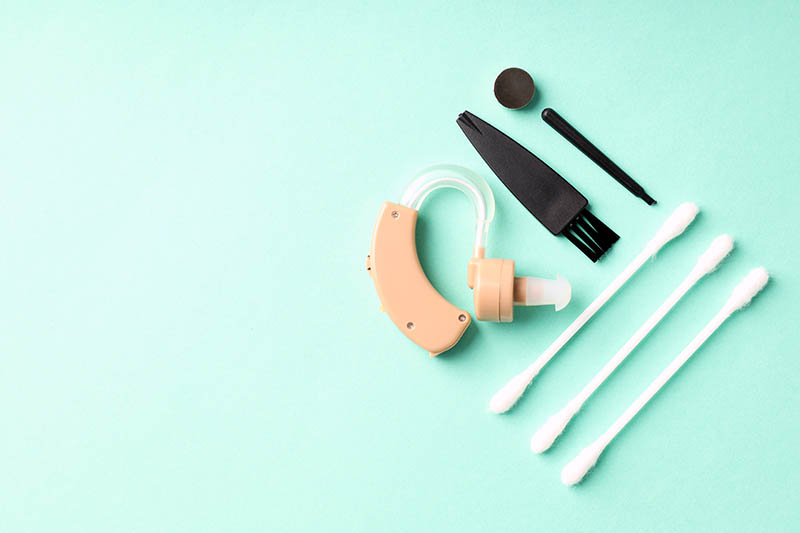
Hearing aids provide an essential link between those with hearing loss and the world around them. Maintaining proper care of your device is vital to keep it working for as long as possible. If a device fails or stops working, it can halt enjoyment or productivity until it is replaced or repaired. Modern hearing aid devices might be small, but they are packed with sophisticated circuits and have become more sensitive to damage. We have gathered some of the best hearing aid cleaning tips to help you keep your device functioning for a long time.
Hearing Aid Cleaning Tips: How to Safely Clean Your Device
Daily Cleaning
• Regular daily cleaning is the best way to keep your device working daily.
• Always wash your hands before handling your hearing aids.
• Always use the proper cleaning tools; objects such as needles, pins, and scissors can permanently damage your device.
• Use a dry plain cloth to set any parts on so they will not get lost or soiled if you need to set them down.
• Never use chemicals or direct water to clean your hearing aids. Solvents are hazardous as they can melt soft plastics and corrode any circuits it contacts.
Proper Storage
• Hearing aid devices are sensitive to heat, moisture, and radiation; storing them in a clean and dry spot is vital.
• The best place is a storage case that will protect your device while not in use.
• Only use heaters designed to dry hearing aids; heating sources like hairdryers and microwave ovens can cause permanent damage.
• UV boxes are a safe antibacterial environment to store your hearing aids all night.
Battery Tips
• Without power, hearing aids become worthless. Establishing good habits with your batteries will help keep your device in working order.
• Most batteries only last one or two weeks depending on the hours used. It’s essential to keep a stock of extra batteries when you need them.
• Always store batteries in a cool and dry place when not in use.
• Take spare batteries on vacation or extended trips to ensure your device works when needed.
Frequently Asked Questions
You should clean your hearing aids daily to ensure they function properly. Regular cleaning prevents damage and buildup that can affect performance.
Only use proper hearing aid cleaning tools designed specifically for these devices. Avoid using needles, pins, scissors, or any sharp objects that may permanently damage your hearing aids.
No, you should never use water or chemicals to clean your hearing aids, as solvents can melt plastic parts and corrode internal circuits. Instead, use a dry cloth and proper cleaning instruments.
Store your hearing aids in a clean, dry storage case to protect them from heat, moisture, and radiation. Specialized UV boxes are also safe for overnight antibacterial storage.
No, household heating sources like hairdryers or microwaves can cause permanent damage to hearing aids. Only use heaters specifically designed for drying hearing aids.
Hearing aid batteries usually last between one to two weeks depending on usage. It's important to keep spare batteries on hand to avoid interruptions.
Batteries should be stored in a cool, dry place when not in use to maintain their effectiveness and prevent corrosion.