
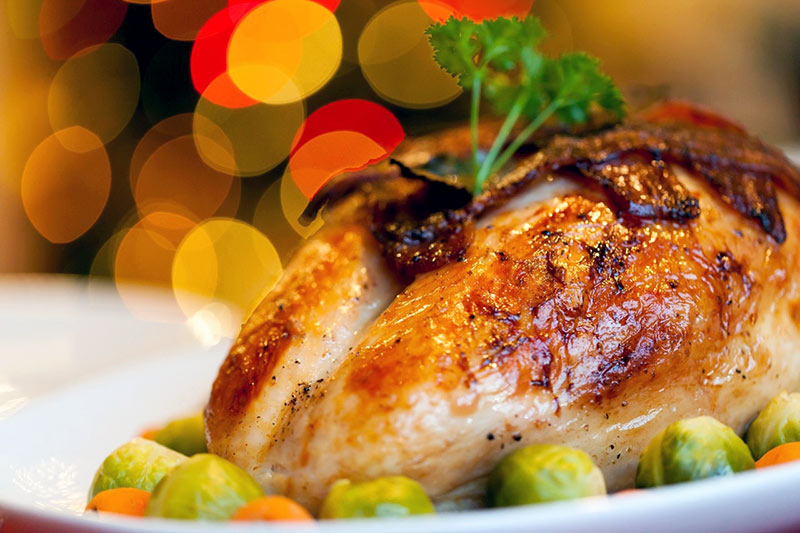
For many food lovers, Thanksgiving is the most anticipated meal of the year and the biggest. Thanksgiving is filled with food and family, so what is there not to love? However, did you know that many of the traditional Thanksgiving recipes contain nutrients that have been linked to healthy hearing? Several healthy, hearing nutrients are found within the typical Thanksgiving feast, so don’t feel so bad about going back for seconds or thirds. Nourishing our bodies is the best way to improve our overall health. After all, you are what you eat.
Some of your favorite Thanksgiving dishes may help improve your hearing health. Allowing you to devour your favorite recipes, while also contributing to healthier hearing. Learn which healthy hearing nutrients are typically found in many of the traditional Thanksgiving dishes.
Zinc: If you want to maintain your hearing health, eating a diet rich in zinc is one of the best ways to go. Eating a zinc-rich diet has been linked to a reduction in presbycusis and tinnitus. A wide variety of foods contain zinc, such as dark chocolate, oysters, eggs, potatoes, poultry, red meat, nuts, beans, kale, green beans, whole grains, dairy products, lobster, and crab.
Magnesium: Because magnesium helps maintain nerve function in the body, it may also help reduce your chances of developing tinnitus. Luckily, finding magnesium-rich foods at the dinner table should not be difficult. Foods that are rich in magnesium include black beans, edamame, quinoa, brown rice, whole wheat, pumpkin, nuts, avocados, spinach, cultured yogurt, and dark chocolate.
Folate: Folate is often overlooked, but it plays a crucial role in preventing hearing loss. In fact, studies have discovered a link between age-related hearing loss and low folate levels. So be on the lookout for Thanksgiving dishes that contain nuts, seeds, asparagus, avocado, broccoli, Brussels sprouts, arugula, kale, spinach, legumes, eggs, and beets.
Potassium: Potassium is beneficial to your health and your hearing. Your ears need an abundant supply of potassium since it helps regulate fluid, and there’s fluid in the inner ear. Plus, your potassium levels drop as you age, so you want to make sure you’re loading up on potassium-rich foods this holiday. You can find potassium in beans, cooked broccoli, cooked spinach, sweet potatoes, peas, zucchini, eggplant, pumpkin, butternut squash, and turkey!
Frequently Asked Questions
Thanksgiving foods contain several nutrients beneficial for hearing health, including zinc, magnesium, folate, and potassium. These nutrients help prevent hearing loss, reduce tinnitus, and maintain nerve function vital to auditory health.
Zinc plays a key role in maintaining hearing health by reducing the risk of presbycusis (age-related hearing loss) and tinnitus. Many traditional Thanksgiving foods like poultry, red meat, nuts, and beans provide ample zinc to help protect the ears.
Magnesium helps maintain nerve function, which may lower the risk of tinnitus. Common magnesium-rich Thanksgiving foods include black beans, quinoa, brown rice, pumpkin, nuts, spinach, cultured yogurt, and dark chocolate.
Folate is crucial for preventing hearing loss, with low folate levels linked to age-related hearing decline. Foods such as nuts, seeds, asparagus, avocado, broccoli, kale, spinach, eggs, and beets typically served at Thanksgiving contain folate.
Potassium helps regulate fluid in the inner ear, essential for proper hearing function. Since potassium levels decrease with age, consuming potassium-rich foods like sweet potatoes, cooked broccoli, peas, turkey, and pumpkin during Thanksgiving can support hearing health.
Yes, many traditional Thanksgiving dishes contain key nutrients that nourish the body and support hearing health. Eating foods rich in zinc, magnesium, folate, and potassium during the meal can help reduce risks of hearing loss and tinnitus while allowing you to enjoy the holiday feast.