
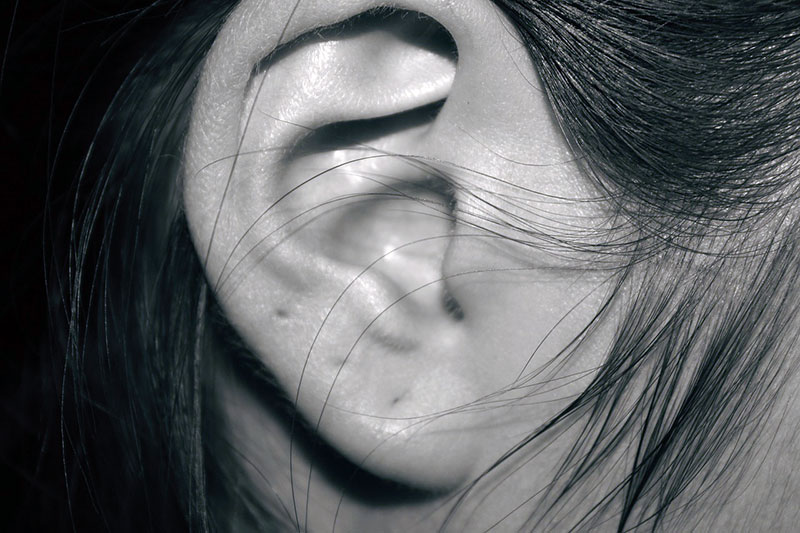
While some may find earwax to be disgusting, it does a lot to protect your ears and your hearing. Also known as cerumen, earwax plays an essential role by trapping small particles before they enter the ear canal and potentially damage the eardrum. However, earwax impaction can occur when the cerumen gets pushed back into the ear canal. Believe it or not, the most common cause of earwax blockage arises from improper ear cleaning methods. Usually, earwax dries up and falls out of the ear on its own, but oddly shaped or small ear canals can make it difficult for the wax to leave the canal naturally. Many then resort to Q-tips and other objects that can push the wax deeper into the ear canal. In addition, individuals who wear earplugs or hearing aids are also prone to earwax buildup and blockage.
The signs and symptoms of earwax buildup and blockage often include:
• Fullness or “plugged” sensation in the ear
• Decreased/muffled hearing
• Itchy ear
• Ear pain
• Ringing in the ear (tinnitus)
• Drainage from ear canal
• Dizziness
• Coughing
When you should go to a doctor:
• If you have or suspect you have a perforated eardrum.
• When home remedies to remove earwax is unsuccessful.
• You run a fever and are experiencing extreme pain.
• You suffer from continued hearing loss.
• You have drainage from your ear.
Go to the hospital if:
• You experience sudden hearing loss.
• You are running a high fever.
• You are experiencing persistent vomiting.
• You are experiencing a loss of balance, have a severe spinning sensation, or are not able to walk.
In some cases, at-home removal methods can be used, as long as you don’t have a perforated eardrum or tubes. A bulb-type syringe can be used to irrigate the ear with warm water gently, or over-the-counter softening ear drops. If at home remedies don’t work or you are not comfortable performing them yourself, there is medical treatment available for removing earwax buildup. Your doctor can use any one of several methods to eliminate the earwax, such as prescription-strength eardrops, irrigation methods, or by using a curette.
However, prevention is always the best medicine. Luckily there are steps you can take to help prevent the buildup of earwax. Learn to keep your ears clear and healthy with these helpful earwax buildup prevention tips:
• After you swim or shower, be sure to dry your ears with a soft, clean towel thoroughly.
• Do you wear hearing aids? If so, you should have a routine exam every 3 to 6 months to look for earwax impaction.
• Avoid putting anything into your ear. Your ears are self-cleaning, so you should never use cotton-tipped swabs or other objects to clean your ear.
While the prognosis for earwax blockage is good, complications can occur if left untreated. If you suspect that you are suffering from earwax impaction, make an appointment with your physician today.
Frequently Asked Questions
Earwax, also called cerumen, serves an important protective function by trapping small particles like dust and debris before they can enter the ear canal and potentially damage the eardrum. This natural barrier helps maintain ear health and hearing.
Earwax impaction usually happens when earwax is pushed deeper into the ear canal, often due to improper cleaning methods such as using Q-tips. Other factors include having oddly shaped or small ear canals that prevent wax from naturally exiting, as well as wearing earplugs or hearing aids which can contribute to buildup.
Common signs of earwax buildup include a feeling of fullness or blockage in the ear, decreased or muffled hearing, itchiness, ear pain, ringing (tinnitus), drainage from the ear, dizziness, and sometimes coughing. Recognizing these symptoms can help you seek timely treatment.
You should consult a doctor if you suspect a perforated eardrum, experience persistent hearing loss, drainage, severe pain accompanied by fever, or if home removal methods fail. Immediate hospital care is necessary for sudden hearing loss, high fever, persistent vomiting, or severe balance issues.
If you do not have a perforated eardrum, gentle irrigation with a bulb syringe using warm water or over-the-counter ear drops designed to soften earwax can be safe and effective. However, be cautious and avoid inserting objects into the ear canal to prevent impaction or injury.
Doctors can remove earwax using several methods such as prescription-strength eardrops to soften the wax, irrigation techniques, or by physically extracting the wax with specialized instruments like a curette. These procedures are generally safe and performed when home treatments are ineffective.
To prevent buildup, dry your ears thoroughly after swimming or showering, avoid inserting any objects like cotton swabs into your ears, and if you wear hearing aids, have routine ear exams every 3 to 6 months to check for impaction. These practices support your ears' natural cleaning process and overall health.