
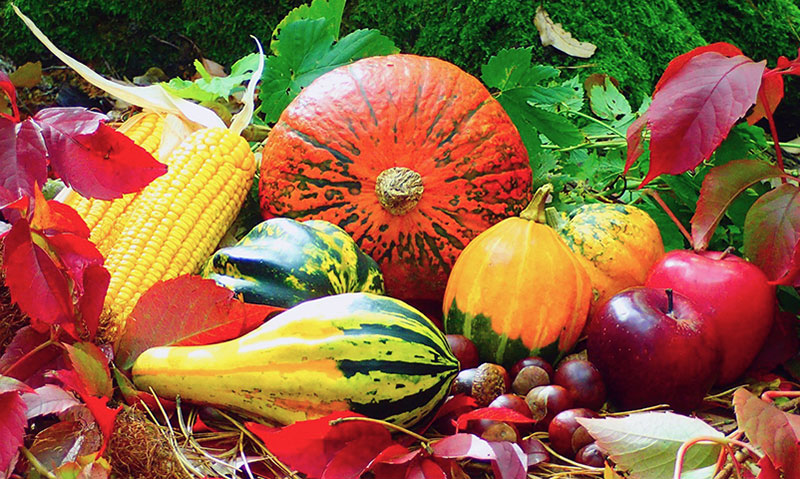
There’s a lot to love about the fall, the air becomes cool and crisp, the leaves are changing, and there’s some delicious food in season. While many use winter squash and pumpkins as decoration, they are much more than just ornamentation as ingesting fall foods can significantly improve your health, as well as your hearing health. You are what you eat after all, so why not ingest foods that will nourish both your mind and body.
Did you know that some of your fall food favorites are actually good for your ears? If you are looking to add some healthy nutrients into your diet, check out some of the best foods for hearing health.
Apples – This fall favorite is loaded with vitamin A, vitamin C, and potassium. Best of all? It’s portable and easily fits into your hand!
Brussels Sprouts – While Brussel sprouts may not be your favorite, they should be added to your diet. Brussels sprouts are an excellent source of folate, iron, and vitamin K.
Dates – This extra sweet fruit may look strange, but they are chewy, flavorful, and quite satisfying! Add this delicious treat to your diet as they are low in fat, high in fiber, and are an excellent source of potassium.
Kale – While there are a variety of kale types, all of them offer an abundance of omega-3 fatty acids, which can help lower the risk of hearing loss.
Parsnips – Parsnips are a versatile root vegetable that is sweet as candy or at least some think so. This sweet and crunchy vegetable should be added to your diet, as they are high in fiber and potassium.
Pears – Juicy and sweet, eat a pear a day to help keep your ears in check. This delicious fruit is an excellent source of fiber, copper, and vitamin C!
Spinach – Spinach is chock full of antioxidants, minerals, and vitamins, that can help protect your hearing and boost your immune system.
Sweet Potatoes – Sweet potatoes are so versatile, and yet, they are delicious as is. Sweet potatoes offer anti-inflammatory benefits and are chock full of vitamin A and iron.
Winter Squash – Winter squashes, such as pumpkin, are a delicious way to add hearing healthy nutrients to your diet. Pumpkins and other winter squashes are full of vitamin A, vitamin C, as well as folate.
Frequently Asked Questions
Many fall foods contain essential vitamins and minerals like vitamin A, vitamin C, potassium, and omega-3 fatty acids that support ear health. Consuming these nutrient-rich foods can help reduce the risk of hearing loss by protecting the delicate structures in the ear and boosting overall health.
Fruits like apples, dates, and pears are excellent choices for hearing health. Apples are rich in vitamins A and C, dates are high in fiber and potassium, and pears provide fiber, copper, and vitamin C, all of which contribute to protecting your hearing.
Leafy greens such as kale and spinach offer abundant omega-3 fatty acids, antioxidants, vitamins, and minerals. These components help lower the risk of hearing loss by reducing inflammation and protecting ear cells from damage caused by oxidative stress.
Yes, root vegetables like parsnips and sweet potatoes are rich in fiber, potassium, vitamin A, and iron. These nutrients contribute to anti-inflammatory benefits and support the proper functioning of the auditory system, promoting better hearing health.
Winter squash, including pumpkin, contains high levels of vitamins A and C and folate, which are essential for maintaining hearing health. These vitamins help protect ear cells and support the immune system to prevent hearing damage.
Though not always a favorite, Brussels sprouts are packed with folate, iron, and vitamin K, nutrients that promote overall health including ear health. Folate, in particular, is linked with reducing the risk of hearing loss.
Antioxidants found in spinach help neutralize free radicals that can damage the sensitive structures in the ear. This protection reduces the chance of hearing loss by maintaining auditory cell integrity and supporting immune function.