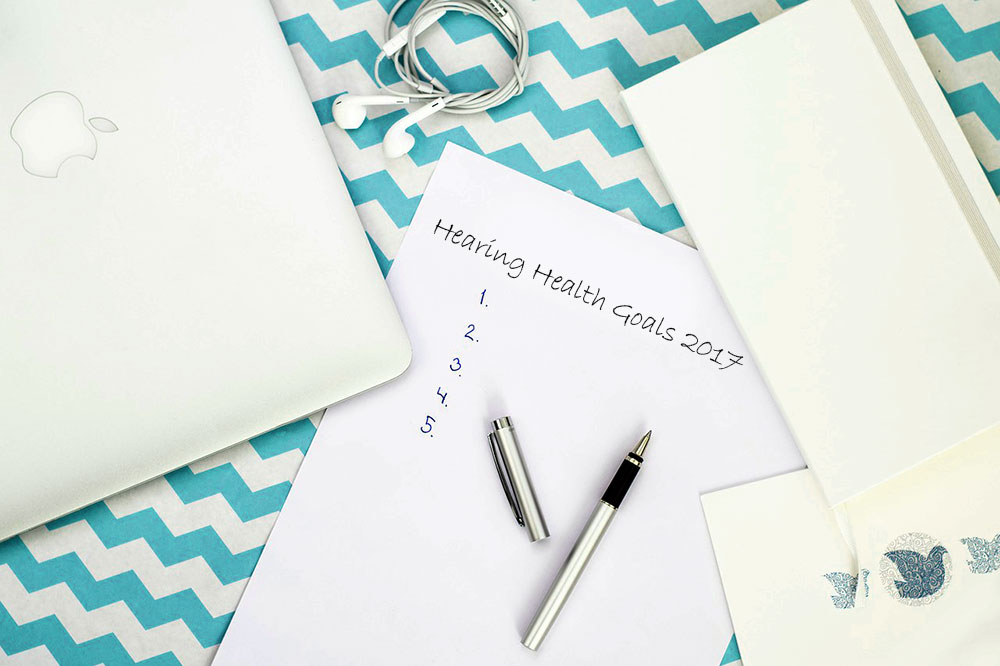
The New Year is often a time of renewal for some people. Goals and resolutions are created, so there can be an improvement in one’s life. It’s all about making the New Year better than the last. For many, New Year’s resolutions often involve goals that pertain to their job, family, personal goals, or physical body. However, this New Year is an excellent time to remember your ears and to become more proactive about the health of your hearing.
It doesn’t matter if you are hearing impaired or not, everyone should have the health of their hearing on top of their resolution list. For 2017, make some New Year’s hearing resolutions that can help protect and improve your hearing!
1. Use Protection – If you are going to be exposed to loud sounds for an extended period, make sure you use protection. This means if you are going to be exposed to loud machinery, firearms, construction, work, live music, or anything else that is loud enough to harm your ears, make sure you wear earmuffs or earplugs to help protect your ears.
2. Lower the Volume – Make an effort to turn down the volume of your television and music in 2017. With the rise of personal mp3 players, noise-induced hearing loss has become very common. If your device has a volume limit control in the settings, use it. Also, investing in a good pair of noise-cancelling headphones can help save your ears. Because these headphones block out outside noise, you won’t need to turn up the volume to compensate.
3. Stop Putting Objects Into Your Ear – While the chances of you shoving foreign objects into your ear are small, many people unknowingly put their ears in harm’s way every time they clean their ears with cotton swabs. Ear wax is designed to protect your ears, and for the most part, your ears are self-cleaning. This means cotton swabs are not needed. If you have an excessive build-up of ear wax, make an appointment with your doctor to have your ears cleaned by a professional.
4. Strive for Overall Health – Everything is connected, especially in the human body. If you want to maintain your ability to hear, you need to tend to your overall health and well-being. This is because your overall health has a direct effect on the health of your hearing. Numerous medical disorders, such as diabetes, strokes, tumors, head injuries, and heart conditions are linked to hearing loss. Aim to be healthier in 2017 by eating nutritious, wholesome food, limiting or cutting out smoking and drinking, and by staying active.
5. See Your Audiologist – This is often the most neglected step, but it is imperative that you visit your hearing doctor for a hearing exam. Having a hearing exam is important to have, no matter how good your hearing is. It doesn’t matter if you have excellent hearing, or are just starting to experience signs of hearing loss, seeing your hearing care professional is a good way to remain proactive. If you have an issue, you can take action much sooner and help negate any of the adverse side effects of hearing loss.
Frequently Asked Questions
Including hearing health in your New Year's resolutions is important because protecting your hearing can prevent hearing loss and improve your overall quality of life. Prioritizing hearing health ensures you take proactive steps to safeguard your ears from damage due to loud noise exposure or poor care habits.
When exposed to loud noises such as machinery, firearms, construction work, or live music, you should use earmuffs or earplugs designed to reduce noise exposure. These protective devices help shield your ears from harmful sound levels and reduce the risk of noise-induced hearing loss.
Instead of using cotton swabs which can harm your ears and push wax deeper, rely on your ears’ natural self-cleaning ability. If you experience excessive earwax build-up, it is best to consult a doctor or audiologist who can professionally and safely remove the wax without causing injury.
Overall health significantly impacts hearing because medical conditions like diabetes, heart disease, and strokes are linked to hearing loss. Maintaining a healthy lifestyle through proper nutrition, regular exercise, and avoiding smoking and excessive drinking supports better hearing health and reduces the risk of hearing problems.
Regular hearing evaluations allow early detection of any hearing issues, even if you currently have good hearing. Early intervention can prevent worsening hearing loss and mitigate negative effects. Routine visits to a hearing care professional keep you proactive in maintaining your hearing health.
Lowering the volume on your television, music players, and especially personal mp3 devices helps protect your ears from noise-induced hearing loss. Using volume limit controls and noise-cancelling headphones reduces the need to increase volume to unsafe levels, thereby preserving your hearing.