
Problems with your hearing can either be present at birth or acquired throughout life, at any age. The most common type of hearing loss, sensorineural, can happen to anybody, at any age. Sensorineural hearing loss is often caused by age, medications, and from noise exposure. While these things are unavoidable in life, excessive exposure can be harmful to your ears. Being exposed to prolonged and loud noise exposure for too long can lead to noise-induced hearing loss, the second most common cause of permanent hearing loss. Luckily, in many cases hearing loss is avoidable and can be prevented with the proper know-how.
In order to take the proper precautions to protect yourself from hearing loss, learn more about the top causes of hearing loss.
1. Earwax Buildup – Even though earwax is good for your ear, too much of it can cause problems. If earwax build’s up and hardens, it can create a blockage that affects your hearing.
2. Explosive, Loud Noises – Loud explosions such as gunshots or firecrackers can create powerful sound waves, which can damage the inner ear or rupture your eardrum.
3. Concerts – Just like loud explosives, listening to loud noises (such as a concert) can damage your hearing. The average decibel level at a rock concert is 110, which can cause permanent damage after only 15 minutes of exposure.
4. Pressure Changes – Going through sudden changes of pressure can damage the inner ear, middle ear, as well as the eardrum, which can lead to damage and hearing loss.
5. Injury – Suffering from facial and head trauma can cause nerve damage or it can dislocate the bones in the middle ear and can lead to permanent hearing loss.
6. Disease – Certain chronic diseases, such as diabetes, stroke, rheumatoid arthritis, heart disease, and high blood pressure can cause hearing loss.
7. Ongoing Exposure to Noise – It’s no surprise that continuous loud noise can cause permanent hearing loss. The most common culprit is the workplace. It is estimated that about 30 million Americans are exposed to hazardous noise levels at work.
8. Tumors – Tumors and noncancerous growths (such as benign polyps, osteomas, and exostoses) can block the ear canal, which can lead to hearing loss.
9. Medicine – Certain medications can cause hearing loss as a side effect. For example, regular use of NSAIDS, aspirin, and acetaminophen increases your risk for hearing loss.
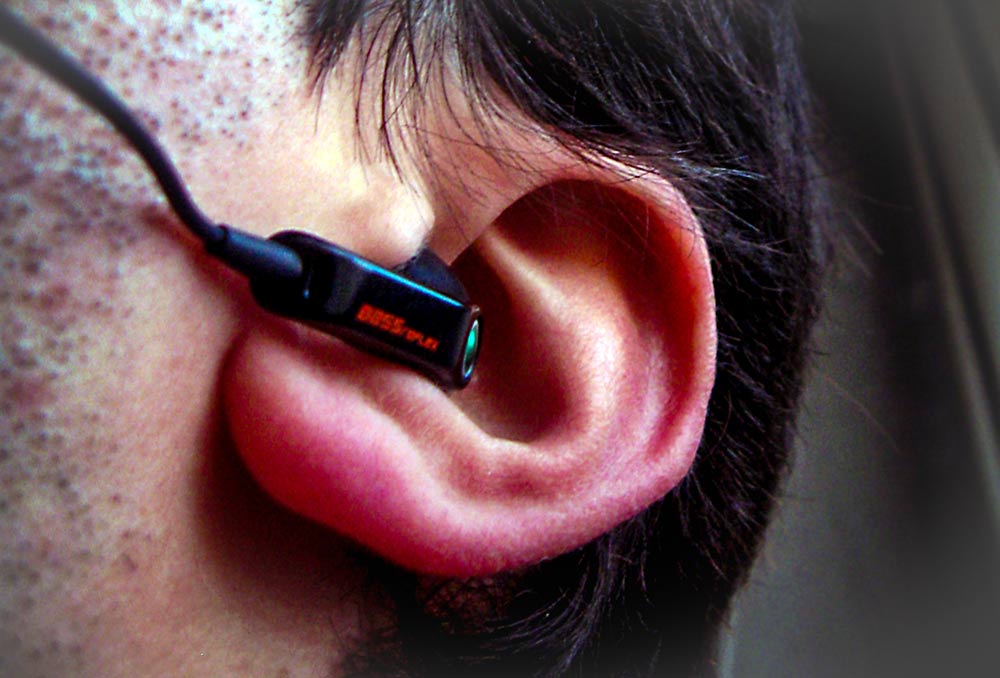
10. Earbuds/Headphones – If others can hear your music when you have headphones on or in your ear, you have your music up too loud. You might want to turn down the volume because the louder the volume and the longer listening time can double your risk for hearing loss.
11. Age – Even if you try your best to protect your ears all your life, your hearing still weakens as you get older. Age-related hearing loss is usually caused by the progressive loss of inner-ear hair cells, and this happens regardless. There is no definitive way to prevent and avoid age-related hearing loss.
Frequently Asked Questions
Sensorineural hearing loss is the most common type of hearing loss and can occur at any age. It is often caused by factors such as aging, certain medications, and noise exposure. This type of hearing loss damages the inner ear or the nerve pathways from the ear to the brain, making it permanent in many cases.
Prolonged exposure to loud noises, such as concerts or workplace noise, can damage the delicate structures of the inner ear. Noise-induced hearing loss occurs when sound waves are powerful enough to harm or kill the hair cells in the inner ear, leading to permanent hearing damage if exposure is excessive.
Yes, while earwax protects the ear, excessive buildup that hardens can create a blockage in the ear canal. This blockage can interfere with sound waves reaching the inner ear, resulting in temporary hearing difficulties or loss until the blockage is removed.
Certain chronic diseases such as diabetes, stroke, rheumatoid arthritis, heart disease, and high blood pressure have been associated with hearing loss. These conditions can affect the blood flow or nerves associated with hearing, potentially contributing to hearing damage.
Sudden changes in pressure, such as during air travel or diving, can damage the eardrum and inner or middle ear structures. This damage may lead to discomfort, pain, and in some cases, temporary or permanent hearing loss if the pressure change is severe or frequent.
Yes, listening to music at high volumes through earbuds or headphones for extended periods can double the risk of hearing loss. If people around you can hear your music, it’s an indicator the volume is too loud and should be reduced to protect your hearing.
Age-related hearing loss occurs due to the natural, progressive loss of inner-ear hair cells over time. Despite protective measures throughout life, this type of hearing loss is largely unavoidable and currently cannot be definitively prevented.