
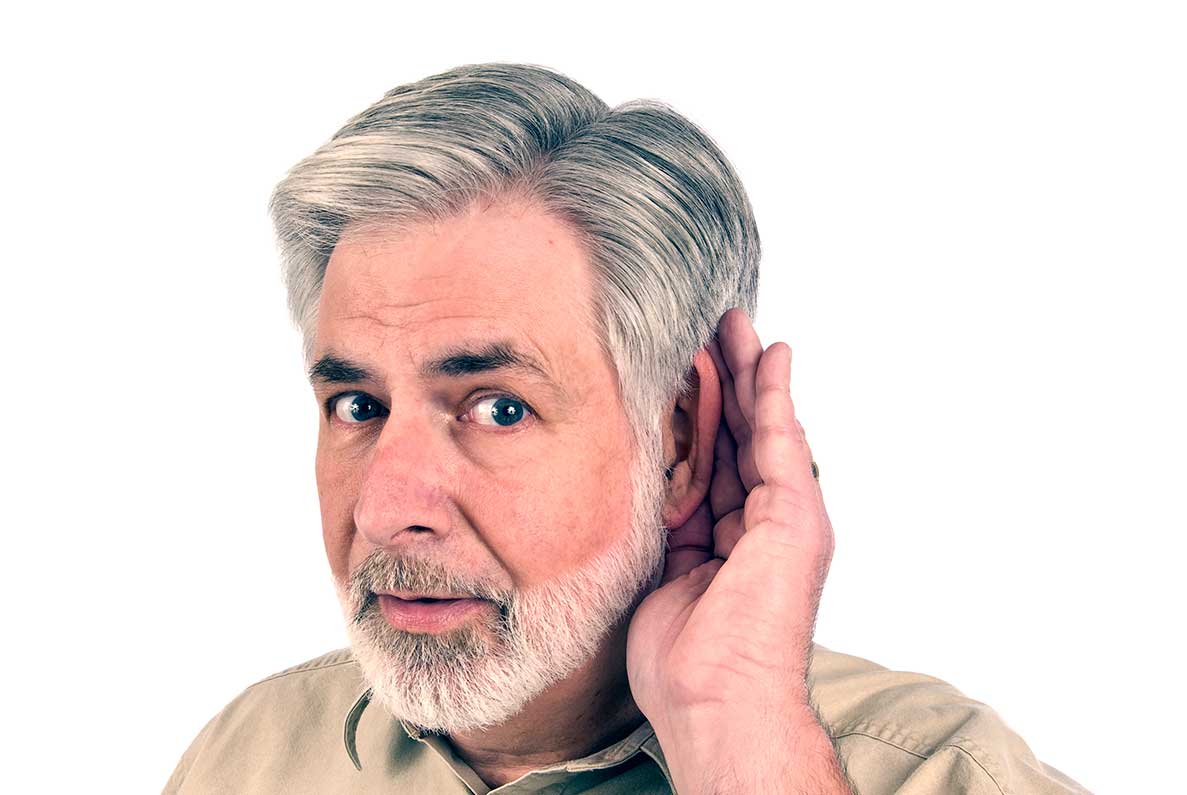
It’s no surprise that being aware and educated about your body is the best form of preventative medicine. Just like any other part of your body, when it comes to your hearing, you should make it a point to keep your ears healthy and functioning properly. The quality of your life depends on it. Luckily, there are signs and symptoms to watch out for. Once signs and symptoms of hearing loss are noticed, it is vital that you see an audiologist as soon as possible so you can have your hearing evaluated further.
In recognition of National Audiology Awareness Month, we bring you a self-test for hearing loss that you can use as an initial screening to find out if a hearing evaluation for you or a loved one is necessary.
1. Do you have problems hearing when a person speaks in a low voice or whispers?
2. When other people talk to you, does it often sound like they aren’t speaking clearly or are mumbling?
3. Do you often have problems understanding the speech of young children and women?
4. Do you find that you have difficulty hearing and understanding others when there is a lot of background noise?
5. Do you find that other people often get frustrated because you often misunderstand them, or don’t reply to what they are saying?
6. Do others often tell you that you have the volume on the television or radio up too loud?
7. Do you find yourself frequently having to ask people to repeat themselves?
8. Do you often experience ringing in your ears?
9. If two or more people are speaking at the same time, do you find that you have trouble following the conversation?
10. When speaking on the telephone, do you find that you hear better through one ear?
11. Do you have a hard time following a conversation on the telephone?
If you answered yes to two or more questions, contact us to schedule an evaluation with one of our certified audiologists.
Frequently Asked Questions
Common signs of hearing loss include difficulty hearing low voices or whispers, misunderstanding speech especially among children and women, trouble following conversations in noisy environments, frequently asking people to repeat themselves, and experiencing ringing in the ears. Noticing these symptoms early can help you seek timely evaluation and treatment.
You can perform a simple self-test by checking if you experience issues such as trouble hearing low voices, misunderstanding speech, difficulty in noisy settings, increased volume on devices, or ringing in the ears. Answering yes to two or more such questions suggests you should schedule a professional hearing evaluation.
Seeing an audiologist promptly after noticing hearing loss signs is critical because they can perform a thorough hearing evaluation, diagnose the issue accurately, and recommend appropriate treatments or hearing aids to improve your hearing and quality of life.
Ringing in the ears, or tinnitus, is a common symptom associated with hearing loss and other ear conditions. If you experience persistent ringing, it is advisable to see an audiologist to determine the cause and receive appropriate care.
People with hearing loss often find it difficult to understand conversations when there is a lot of background noise because their ability to filter out unwanted sounds is reduced. This symptom indicates a need for a hearing evaluation to explore solutions such as hearing aids.
Frequently asking others to repeat themselves suggests hearing difficulties, which might indicate hearing loss or auditory processing issues. It’s important to consult an audiologist to assess your hearing and determine if treatment is necessary.
Yes, difficulty following telephone conversations or hearing better in one ear during calls can be signs of hearing loss. These symptoms should prompt a hearing assessment to identify any underlying issues and obtain proper assistance.