
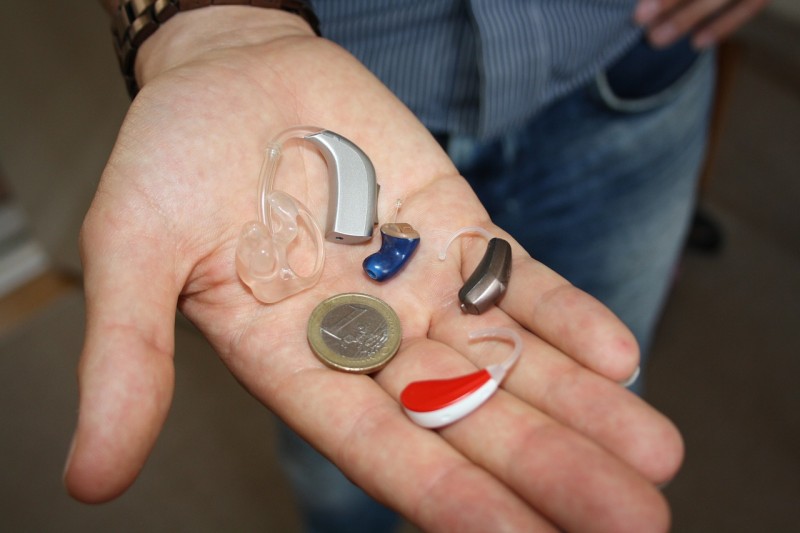
Here at the New York Hearing Center, we help our patients find the correct solutions for their hearing problems. Throughout the years we have witnessed our fair share of mistakes, especially when patients are in the process of getting hearing aids. While many get great results with their hearing aids, some people dislike their hearing aids. Often, there is a fine line between different hearing aids, and if a person is looking for the wrong thing, it can significantly hinder the end result.
To help ensure you make the correct decisions, check out some of the most common hearing aid mistakes that patients often make.
1. Concentrating on cost rather than results.
Aside from the expense of the hearing aid itself, there are also other charges incorporated into the overall cost. As with everything in life, you get what you pay for. Typically, the better the technological innovation and the more experienced and proficient the fitter, the more the hearing aid will cost. However, this should positivity affect the end result. Not everybody needs the fanciest innovation, but rather, to be completely forthright, everybody can advantage by having a learned and experienced individual doing the fitting.
2. Picking a listening device based on appearances rather than what you require it to do.
What the hearing aid looks like on the outside does not dictate the amount it will help you. It’s what’s inside the hearing device that matters the most. With today’s computerized innovative technology, some hearing aids are amazingly astute. Most hearing aids today have different programs incorporated to help keep you hearing well regardless of what you do or where you go. While no one wants to wear a hearing aid, many do want their communication problems to be resolved or reduced. Buyers should make a list of the three to five major issues they want to correct. By having your needs written down ahead of time, you are better prepared to ask the hearing aid provider which listening device is the best for your needs.
3. Believing that the hearing device will take care of every one of your issues the moment you wear it.
Since your hearing loss didn’t happen overnight, you can’t expect a hearing aid to work exactly as it should the moment you put it on. Your ears need time to work with your mind so you can hear and comprehend what is being said around you. At first, it may appear as though you are only listening to everything, and it all seems to be thunderous. However, after some time with your hearing aid, you will figure out how to listen efficiently and discriminately. One must wear and use their hearing aid on a regular basis for the device to be successful. Many who only put them on occasionally may never get the help they need.
4. Not having a post-fitting assessment done after being fitted with hearing aids.
After wearing and adjusting to your hearing aids for a few weeks, you ought to have a post-fitting assessment done. Because you don’t know what you should be hearing, you can’t know for sure if the hearing aids are functioning properly or not. During a post-fitting evaluation, a microphone is placed inside the ear, and a computer program determines if the current prescription is correct. The test also could consist of you repeating words in a controlled environment at a reasonable conversational level. Knowing how well you are hearing or being aware of what is going on inside your ears cannot be known without doing one of these post-fitting tests.
Frequently Asked Questions
Many patients focus too much on the initial cost of hearing aids rather than the overall results and quality of the device. While more advanced technology and experienced fitters may increase the price, they typically ensure better hearing outcomes. It’s important to balance cost with the expertise and technology that best meet your hearing needs.
The external look of a hearing aid does not determine its effectiveness. Modern hearing aids come with advanced digital technology and multiple programs tailored to different environments. Selecting a device based on the specific hearing issues you want to address ensures you get the best solution rather than simply picking the most cosmetically appealing model.
No, hearing aids require a period of adjustment as your brain adapts to interpreting new sounds. Initially, sounds may seem overwhelming or unclear, but consistent and regular use helps you develop effective listening skills over time. Immediate perfection is unrealistic because hearing loss develops gradually, and getting used to hearing devices takes patience.
A post-fitting assessment verifies whether the hearing aids are functioning correctly and delivering the proper sound levels. Since you can’t objectively know how well you’re hearing, tests involving a microphone or word repetition in controlled settings ensure the prescription matches your hearing loss. This evaluation helps fine-tune the device for optimal performance.
It’s helpful to list three to five major communication issues you want to improve before consulting a hearing aid provider. Having clear goals allows you to discuss your specific needs and receive recommendations for devices that address those challenges, leading to better hearing outcomes tailored to your lifestyle.
An experienced and knowledgeable fitter can accurately assess your hearing needs and customize the device settings for the best results. Even if the hearing aid technology is advanced, improper fitting can limit its effectiveness. Skilled fitting ensures comfort and optimizes hearing performance.
Dislike often stems from choosing the wrong hearing aid type or expecting immediate perfect hearing. Other factors include focusing on aesthetics over functionality and insufficient use leading to lack of adjustment. Proper selection, fitting, and patient education are key to satisfaction.