
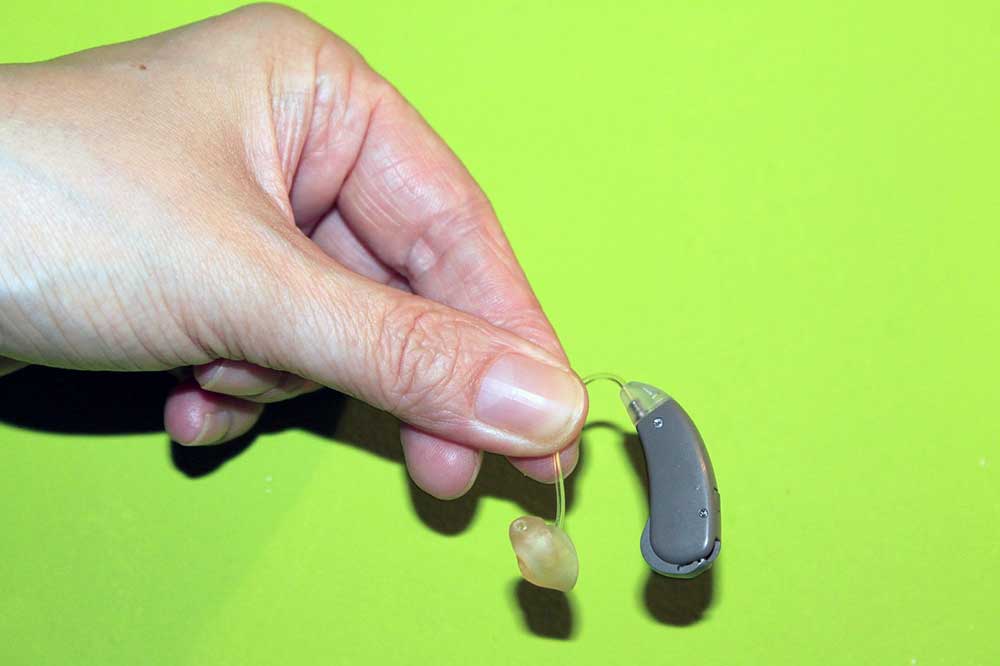
As you age, there is an elevated risk of hearing loss, and this risk continues to increase as you get older. Luckily, hearing aids are available to help you maintain living a healthy life. In the past, picking out and purchasing a hearing aid was a pretty simple process. There weren’t many models to choose from, and they all essentially functioned the same. However, in today’s market there are a plethora of choices available when it comes to hearing aids, and when there is a multitude of options, confusion and questions are sure to follow.
Are you in the market for a hearing aid? It doesn’t matter if it’s for you or a loved one; there are certain things you need to look out for. If you want to make an informed purchase, check out our hearing aid buying tips.
1. If you have a smartphone and are into the latest gadgets, you may want to consider buying a pair of hearing aids that have the ability to link up wirelessly to your smartphone. By doing this, you can use your smartphone as a remote, where you can adjust settings, as well as stream phone calls and music directly to your hearing aids.
2. Remember, you often get what you pay for. If you want the latest technology, or would like a durable and reliable pair, expect to pay more. Hearing aids with a higher price tag are usually much more resilient because the manufacturer has invested more into the product. Unlike cheaper products, which practice poor assembly techniques and use cheap parts.
3. Know that hearing aids come in different sizes and styles. Different hearing aid types are available, but the correct one for you does depend on a few factors. It is important to work with an audiologist when it’s time for you to pick out a hearing aid. The styles of hearing aids that are currently available on the market include in-the-ear hearing aids, in-the-canal hearing aids, behind-the-ear hearing aids, completely-in-the-canal hearing aids, and standard tube hearing aids.
4. When it’s time to buy a hearing aid, it is important that you buy smart. Know your needs before your first appointment, as this will help you ask the right questions. Look for providers that offer brand and style choices, this way you can have a selection to choose from. Having multiple options will give you the flexibility you need to find the hearing aid for you. Try on hearing aids in different styles and sizes, so you can find what is most comfortable for you.
5. Remember, practice makes perfect. Handling your hearing aids may be clumsy at first, but like everything else, it does get easier with practice. However, it is important to have an understanding of your new hearing aid before you leave your provider’s office. Before you buy a hearing aid, ask about cleaning and storing your hearing aid, make sure you know how to use its controls and switches, practice removing and inserting the battery, and even try to make a telephone call while wearing it. This way you can get an authentic feel for the device before you leave with your new hearing aid.
Frequently Asked Questions
Modern hearing aids often come with advanced features like wireless connectivity to smartphones, allowing you to control settings remotely and stream phone calls or music directly to the device. These smart features enhance usability and convenience for the user.
Yes, generally speaking, higher-priced hearing aids tend to be more durable and reliable because manufacturers invest more in quality materials and assembly. Cheaper models might use inferior parts or have poorer construction that affects longevity and performance.
Hearing aids come in various styles including in-the-ear, in-the-canal, behind-the-ear, completely-in-the-canal, and standard tube hearing aids. The best style depends on your individual hearing needs and comfort preferences, which should be discussed with an audiologist.
An audiologist can help determine the right type and style of hearing aid based on your specific hearing loss and lifestyle. They also guide you through testing, fitting, and adjustments to ensure the device best suits your needs and comfort.
Before your appointment, understand your hearing needs and research available providers that offer various brands and styles. Trying different hearing aids for fit and comfort and asking questions about features and maintenance will help you choose the right device.
Practice handling your hearing aid by learning how to insert and remove batteries, clean and store the device, and operate the controls. Trying tasks like making phone calls with the hearing aid on before leaving the provider’s office helps you become familiar with it.