
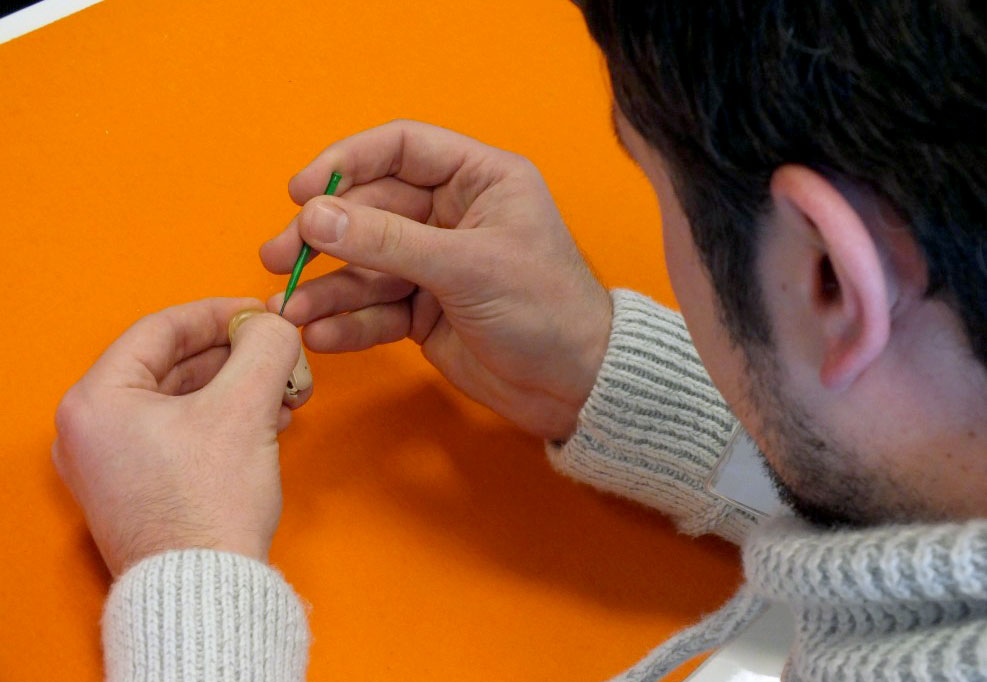
Hearing devices not only assist your ability to hear, but they can also have a profound impact on your quality of life. Individuals who utilize hearing aids often depend on their devices on a day-to-day basis. Because of this, it makes sense to protect and safeguard them for as long as possible. Much like everything in life, attention and preventive upkeep are necessary if you wish to avoid early failure. By regularly performing hearing aid maintenance, your device is more likely to last.
Prevent possibly pricey repair work and spending time without your hearing aids by learning how to effectively care for your device by following these basic hearing aid maintenance suggestions.
-
-
-
ALWAYS handle your listening devices with care. Also, when handling your listening devices, ensure that your hands are dry and clean.
-
Purchase the appropriate aftercare products for your device, and never use solvents, alcohol, or cleaning agents.
-
Wipe down your device every morning with a clean and dry, soft fabric or tissue. Make sure you get rid of any dried-up ear wax off of your device.
-
Prevent getting your hearing aids damp, so don’t wear them if you are swimming, taking a shower, or heading out into the heavy rain.
-
Never place your hearing aid in extreme temperature levels. For instance, your automobile’s glove compartment on a hot summertime day or on a frigid winter day. Just don’t do it!
-
When not in use, always keep your hearing aids in a dry, cool location and make sure they are kept away from wetness and heat.
-
Have damp hearing aids? Never utilize a microwave or hairdryer for drying your device. Instead, get rid of the batteries and position your hearing aid device in a dry storage kit with the battery door left open overnight.
-
Ensure you remove your hearing aids when you are applying lotion, hairspray, or fragrance. Some chemicals can have a damaging impact on your gadget, so ensure you give enough time for your device to dry before you use your hearing aids again.
-
From time to time, have a hearing care expert check your hearing aids to ensure they are operating correctly. An audiologist will be able to adjust your hearing aid, if necessary, and can answer any questions you may have regarding the care of your device.
-
-
Frequently Asked Questions
Regular maintenance of hearing aids helps prevent early failure and expensive repairs. It ensures that your device continues to function optimally, prolonging its lifespan and improving your overall quality of life by maintaining consistent hearing support.
You should wipe down your hearing aids every morning with a clean, dry, and soft cloth or tissue to remove any dried-up earwax. Avoid using solvents, alcohol, or any cleaning agents not specifically designed for hearing aids as they can damage the device.
No, it is important to prevent getting your hearing aids damp. Wearing them while swimming, showering, or in heavy rain can damage the device and cause it to malfunction, so it is best to remove them during these activities.
Store your hearing aids in a cool, dry place away from moisture and extreme temperatures. Avoid leaving them in places like glove compartments during hot or cold weather. Using a dry storage kit with the battery door open overnight is ideal if the device is damp.
If your hearing aids get damp, do not use a microwave or hairdryer to dry them. Instead, remove the batteries and place the hearing aids in a dry storage kit with the battery door open overnight to allow them to air dry safely.
Certain chemicals in lotions, hairsprays, or fragrances can harm your hearing aids by damaging their components. Removing your hearing aids beforehand and ensuring the chemicals have dried completely before reinserting helps protect your device.
It is recommended to have a hearing care expert, such as an audiologist, check your hearing aids periodically. They can ensure the device is functioning correctly, make any necessary adjustments, and provide guidance on proper care and maintenance.