
Ahh, spring is here, and do you know what that means? Longer days and warmer weather, finally, right? After a long winter (and especially after quarantining), we can quickly go stir crazy by being cooped up inside the house all day. When the temperature starts to rise, the majority of people tend to make the most of the hotter weather outside. However, the outside world is loud! So much so, it may be damaging to your ears, as it’s all part of the dangers of spring.
Did you know that the spring season features elements that could potentially harm your hearing? It is all part of the dangers of spring. Precaution is required while you’re taking advantage of a number of your favorite hobbies and leisure pursuits this spring. If you want to help preserve your hearing ability, learn how to safeguard yourself by following these helpful tips.
Attending Concerts and Shows
It’s not uncommon for volume levels to succeed in 85dB and over at music concerts. Unfortunately, 85dB is high enough to cause some severe damage to your hearing. Meaning concert noise levels can potentially cause temporary or permanent hearing impairment without some sort of ear protection.
Using Powered Tools
There’s nothing more rewarding than using your hands to make or repair, and therefore the warm weather gives more opportunity to work to home improvement enthusiasts and to people who just love the act of creation. However, many power tools and shops have a median sound intensity of 100 dB, which is well into the red zone.
Motorcycles and Cars
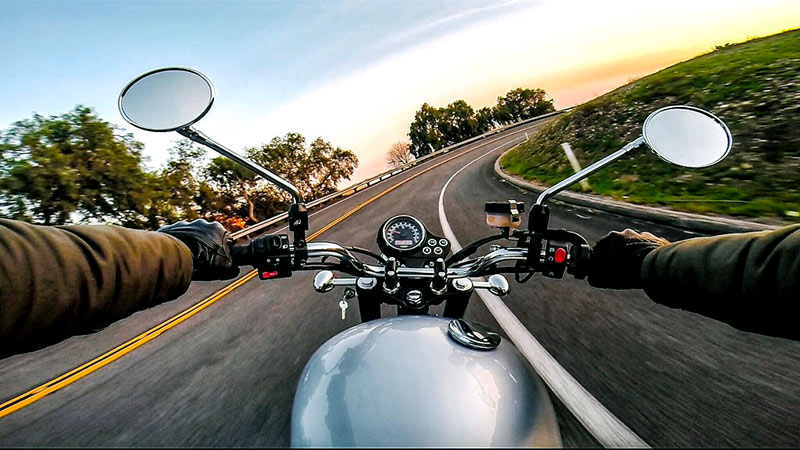
We know that there’s nothing better than cruising on your motorcycle or in your convertible. The sensation of the wind running through your hair is often quite invigorating, but it comes at a price. Without the additional sound-dampening ‘protection,’ you become more exposed to dangerous noise levels. The noise from the road and other vehicles can easily rise to 100 dB, which might damage your hearing.
Going to a Sporting Event
You may not believe it, but noise levels at a sporting event can reach dangerous levels. Many overlook or don’t realize this because they’re so into the sport they are watching. This level of pleasure and enthusiasm makes for hazardous sound levels, as a sporting event can reach noise levels of 115 dB or more.
Luckily, there are preventative measures you’ll be able to use to protect your sensitive ears. Noise-canceling headphones are often a good option or a pair of earmuffs or earplugs. There also are musician earplugs available that can help preserve the initial sound yet reduces listening fatigue.
Frequently Asked Questions
Common spring activities that can potentially harm your hearing include attending concerts and shows, using powered tools for home improvement, riding motorcycles or convertibles, and going to sporting events. Each of these activities can expose you to noise levels high enough to cause hearing damage.
Concerts often reach volume levels of 85 decibels or more, which can cause temporary or permanent hearing damage. Without proper ear protection, the loud noise at concerts poses a serious risk to your auditory health.
Many powered tools produce sound intensities around 100 decibels, which is well above the safe listening level. Frequent use of these tools without ear protection can lead to significant and lasting hearing impairment.
Riding motorcycles or convertibles exposes you to environmental noise levels around 100 decibels, including road and vehicle sounds. Without sound-dampening protection like earplugs, this noise can damage your hearing over time.
Yes, sporting events can reach noise levels of 115 decibels or more due to fans' excitement and cheering. This high noise intensity is hazardous to hearing, especially without appropriate protective measures.
To protect your ears during noisy spring activities, use noise-canceling headphones, earmuffs, or earplugs. Specialized musician earplugs are also available to reduce volume while preserving sound clarity and minimizing listening fatigue.