
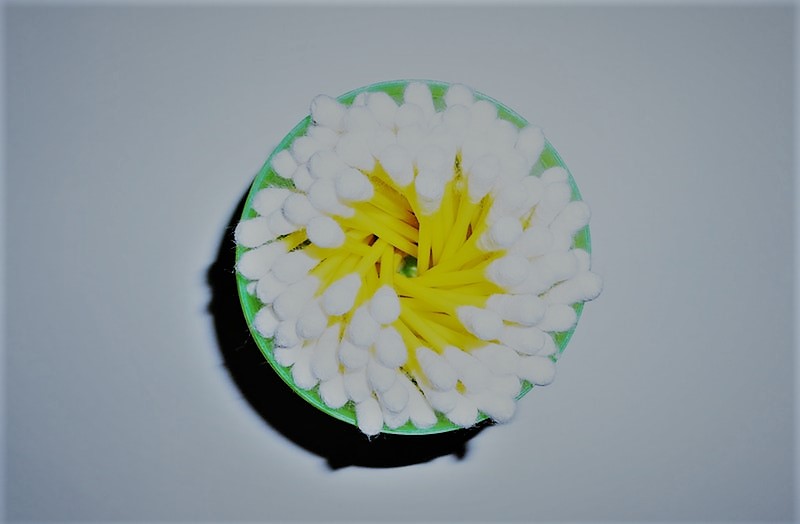
When it comes time to get rid of excess earwax, it’s not uncommon for an individual to reach for cotton swabs, or Q-Tips to clean their ears. Ear cleaning can quickly become a habit that one does on their daily hygiene routine without thinking about it. However, you may be doing more damage to your ear than it’s worth. Sticking objects, such as a cotton swab, into your ear is not suggested. It turns out that “healthy habit” of using cotton swabs to clean your ears could be doing damage your hearing.
The ears natural production of wax, or cerumen, is a normal, healthy bodily function. Defender of the ears, earwax acts as a self-cleaning agent. In fact, cerumen helps protect your sensitive ears from bacterium, dust, and debris, and even helps keep the ears lubricated. Your amazing ears are also self-cleaning. Thus wax and skin cells can slowly migrate from the myringa (eardrum) to the opening of the ear, on its own. Once it gets to the gap of the ear, the wax dries up and falls out on its own. Since your ears are “self-cleaning,” the use of Q-Tips is not necessary under normal circumstances. In fact, using cotton swabs to clean your ear can cause injury to the auditory meatus (ear canal), puncture the myringa, cause impacted earwax, and can even result in deafness.
Ideally, you shouldn’t have to clean your ears because they are self-cleaning. For most, merely cleaning the external ear with water, soap, and a soft towel or washcloth is enough. However, for some, this method may not be enough, as they produce excessive earwax. Unfortunately, earwax buildup can quickly occur for these individuals. An increase of wax can turn into a painful condition and even could additionally result in partial deafness. Additionally, wax buildup or cerumen impaction could cause one or more of the subsequent symptoms to occur:
• Earaches
• Itchy Ear(s)
• Coughing
• Ear(s) that feel “plugged” or full
• Discharge
• Tinnitus
• Ear odor
• Hearing loss
If you are looking to clean your ears, and you don’t suffer from excess earwax, be sure to wash the outer ear with a bath linen gently. Nothing more, and use those cotton swabs for something else. You mustn’t insert anything into the auditory meatus. However, if you’ve got significant wax buildup, a visit to your doctor is warranted. An audiologist or ear care professional can safely remove any excess wax and might offer recommendations on how to safely clean your ears on your own.
Frequently Asked Questions
Using cotton swabs can push earwax deeper into the ear canal, causing impaction, injury to the ear canal or eardrum, and even hearing loss. The ears are self-cleaning, and inserting objects like cotton swabs disrupts this natural process and can cause damage.
Earwax, or cerumen, is a natural, healthy secretion that protects the ear by trapping dust, bacteria, and debris. It also keeps the ear canal lubricated and helps maintain overall ear health by moving outward naturally to clean the ear.
For most people, gently cleaning the outer ear with water, mild soap, and a soft towel or washcloth is sufficient. Avoid inserting anything into the ear canal, including cotton swabs, to prevent injury or wax impaction.
Symptoms of excessive earwax buildup include earaches, itchy ears, coughing, a plugged or full feeling in the ear, discharge, tinnitus (ringing), ear odor, and hearing loss. These signs suggest the need for professional ear care.
If you experience significant wax buildup causing discomfort, hearing problems, or other symptoms, you should visit a healthcare professional. Audiologists or ear care specialists can safely remove excess wax and advise on proper ear hygiene.
Yes, frequent or improper use of cotton swabs to clean inside the ears can cause damage to the ear canal or eardrum, potentially leading to hearing loss or deafness. It is important to avoid inserting anything into the ear canal.
Yes, ears naturally clean themselves by gradually moving wax and dead skin cells from the eardrum to the ear opening, where the wax dries up and falls out. This process eliminates the need for inserting objects to clean the ear canal.