
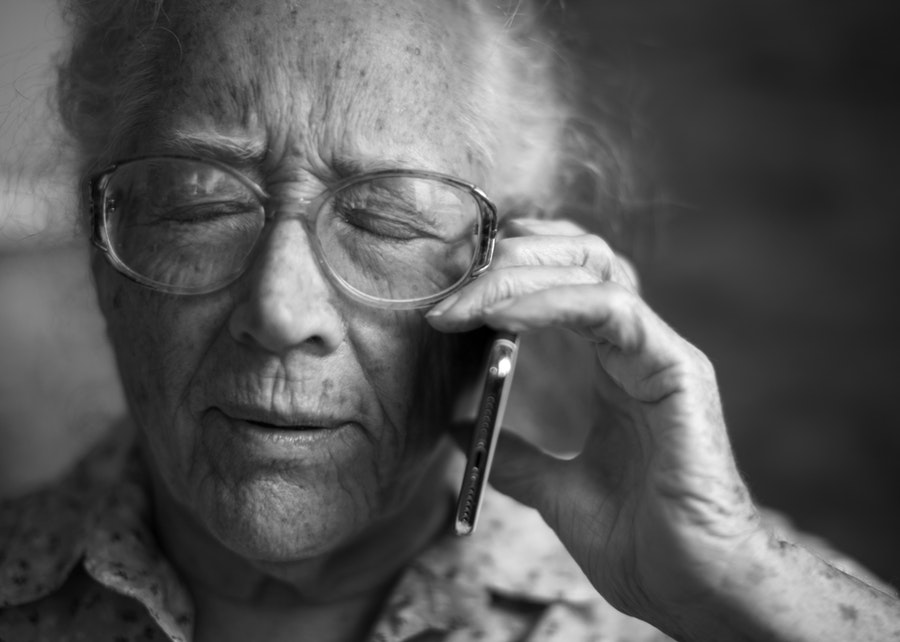
Having the ability to hear is a gift. Unfortunately, it’s not uncommon for a person to view this sense as trivial, especially when they have had the ability to hear their entire life. However, for those with impaired hearing, they understand that this isn’t true. Unfortunately, many don’t realize this until they start contending with the symptoms of hearing loss themselves. Hearing loss is an all too common health problem that many of us will experience at some point in our lives, especially as we age.
Nonetheless, the number of those affected by hearing loss has been rising throughout the years. While aging is a factor in hearing loss, so are genetics and illness. Unfortunately, other factors can negatively affect a person’s ability to hear and understand others, which can seriously affect their overall quality of life. Especially if they happen to ignore the symptoms of hearing loss that occurs when there’s damage to the ears.
Your ears are delicate, so precautions must be taken to help preserve your hearing. Regrettably, certain aspects of modern living can have an adverse effect on your ability to hear. Certain medications can affect your hearing, and noise-induced hearing loss is all too common. However, knowing what the symptoms of hearing loss are can help you identify when there might be a problem.
Early intervention is best if you want to help keep your ability to hear intact, so you need to be proactive with your health. To know what you need to look out for, here are some of the signs and symptoms of hearing loss.
• You often hear roaring, hissing, buzzing, or ringing sounds in your ear(s). This is also known as tinnitus.
• Hearing above background noise is a challenge.
• Your ears feel clogged or plugged.
• You often perceive others as not speaking clearly, or mumbling, when you hear them speak.
• Speech and other sounds sound muffled.
• You have a difficult time understanding high-pitched sounds, as well as the sounds of “S” and “F.”
• Receiving frequent complaints regarding the noise level of your television and/or radio.
• When multiple people are speaking at once, you often have trouble following the conversation.
• You often hear something different when people speak and misunderstand what people say.
• Deciphering phone conversations has become difficult.
• You often ask people to repeat themselves.
• Frequently asking people to speak louder and slower.
• You find yourself avoiding social situations. Attending social events has become too exhausting.
• Instead of making eye contact, you find yourself watching people’s lips when they speak.
Frequently Asked Questions
Common early symptoms of hearing loss include tinnitus (ringing, buzzing, hissing sounds), difficulty hearing in noisy environments, muffled sounds, and trouble understanding high-pitched sounds such as 'S' and 'F'. Recognizing these signs early can lead to timely intervention.
Hearing loss can make following group conversations challenging, cause misunderstandings, and lead to frequently asking people to repeat themselves. These difficulties can result in social withdrawal because attending social events may become exhausting or frustrating.
Early intervention is crucial because it helps preserve remaining hearing ability and prevents further deterioration. Addressing symptoms early improves communication, quality of life, and can reduce the negative impact on social and emotional well-being.
Yes, certain medications can have adverse effects on hearing, potentially causing or worsening hearing loss. It’s important to discuss any concerns with a healthcare provider, especially if you notice symptoms after starting new medications.
Tinnitus refers to hearing ringing, buzzing, hissing, or roaring sounds in the ears without an external source. It is often a symptom associated with hearing loss and can indicate damage to the auditory system.
Aging is a significant factor that contributes to hearing loss due to the natural degeneration of auditory cells and nerves over time. Many individuals experience gradual hearing decline as they grow older, making awareness and management crucial.
Exposure to loud noise, certain medications, and ignoring early symptoms can harm hearing. Protective measures and monitoring hearing health are important to prevent noise-induced hearing loss and other damage.