
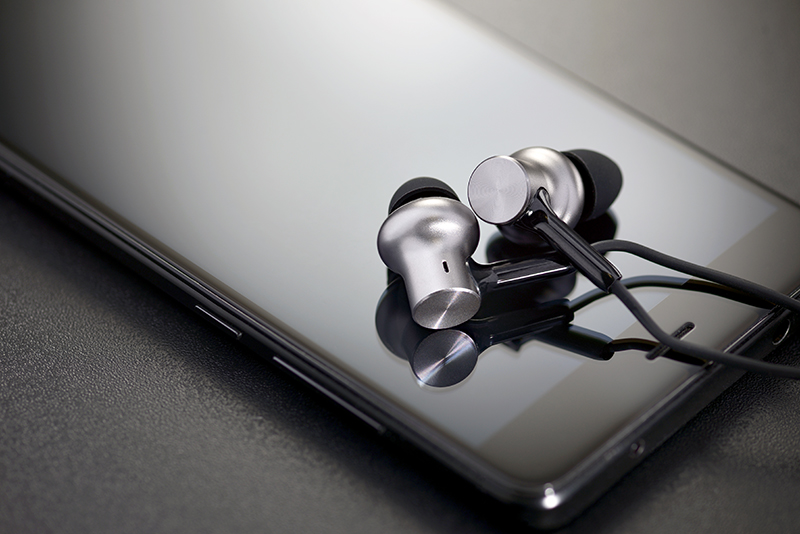
In modern times, individuals spanning a wide range of ages, including teenagers and those engaged in professional work, have adopted earbuds or earpods. These small, compact speakers that fit within the ear canal can seem beneficial, yet concerns regarding their potential impact on auditory health and well-being exist due to the risks of using earbuds.
The Risks of Using Earbuds and Earpods
Extended exposure to high volume levels while listening to music using such products can pose significant risks to one’s hearing health, making it crucial to exercise caution and mindfulness when using them.
There are two primary risks concerning earbuds:
Otitis externa:
Known as “swimmer’s ear,” Otitis externa is an ear canal infection caused by frequent use of in-ear headphones such as earbuds or earpods. It is important to note that these devices create a seal around the ear and can eliminate airflow, increasing the risk of infection. In severe cases, medical intervention may be necessary to alleviate symptoms and promote healing. It is advisable to exercise caution when using earbuds or earpods and to take necessary precautions to prevent the development of otitis externa.
Noise-Induced Hearing Loss:
Exposure to loud sounds within the 78 to 132 decibels (dB) range can damage the tiny hairs responsible for hearing. This type of damage can lead to symptoms such as tinnitus (ringing in the ears) or hearing loss (difficulty in comprehending speech). Earbuds, for instance, can emit sounds within the range of 102 to 112 dB, which can cause hearing damage within a period as short as 2 to 30 minutes. It is disheartening to note that one in every five teenagers currently have noise-induced hearing loss due to exposure to loud sounds. This represents a 30% increase from similar rates observed two decades ago.
Indicators that the Volume May Be Too High
• It is tough to hear or understand someone less than five feet away.
• You have to talk very loud to be heard over the volume.
• After being exposed to loud noises, if you feel pain or ringing in your ears for a brief period.
• You may notice that sounds seem dull or muted after leaving a loud area.
If you frequently use earpods or earbuds, taking measures to protect your hearing is important. During the summer months, keeping the volume at a safe level is crucial, especially for children. So, keep an eye on the volume levels and duration of use to keep your ears safe and healthy.
Taking Action to Safeguard Your Hearing
• Before putting earbuds back in the ear, it is essential to frequently clean them with rubbing alcohol and allow them to fully dry.
• Use bone-conduction headphones that do not cover the ear and create a breeding ground for infections.
• Reduce your exposure to loud sounds by setting a volume limit on your phone or tablet.
• Taking breaks from listening to music at high volumes is paramount to give your ears a chance to rest and recover from exposure to sound. This will prevent you from reaching the “maximum noise dose” and experiencing higher risks of hearing loss and tinnitus.
• Wearing earplugs is recommended when exposed to loud sounds, whether doing yard work, attending concerts, or sporting events.
• Consider the benefits of custom earplugs instead of standard foam earplugs; custom options are uniquely tailored to provide a more personalized and comfortable fit.
• Make sure to schedule an annual hearing test to monitor your hearing health.
Frequently Asked Questions
The two primary risks are otitis externa, an ear canal infection caused by the elimination of airflow due to earbuds creating a seal in the ear, and noise-induced hearing loss from exposure to loud sounds typical of earbuds. Both conditions can lead to discomfort or permanent hearing damage if not addressed properly.
Earbuds create a sealed environment in the ear canal that reduces airflow, which promotes bacterial growth and can cause an infection called otitis externa. Frequent use without proper hygiene increases this risk, and severe cases may require medical treatment.
Sounds between 78 and 132 decibels can damage the tiny hairs in the ear responsible for hearing. Earbuds often emit sounds around 102 to 112 decibels, which may cause hearing damage after just 2 to 30 minutes of exposure.
Signs include difficulty hearing someone less than five feet away, needing to speak loudly to be heard over the earbuds, experiencing pain or ringing in the ears after exposure, and noticing dull or muted sounds after leaving a loud environment.
Users should clean earbuds regularly with rubbing alcohol, use bone-conduction headphones, set volume limits on devices, take breaks from loud music, wear earplugs in noisy environments, consider custom earplugs for comfort, and schedule annual hearing tests.
Taking breaks allows the tiny hairs in the ear to recover from exposure to loud sounds, preventing the accumulation of noise damage known as the 'maximum noise dose.' This helps reduce the risk of hearing loss and tinnitus.
Yes, bone-conduction headphones do not cover or seal the ear canal, eliminating the risk of infections like otitis externa and can reduce the risk of hearing damage while still delivering sound effectively.