
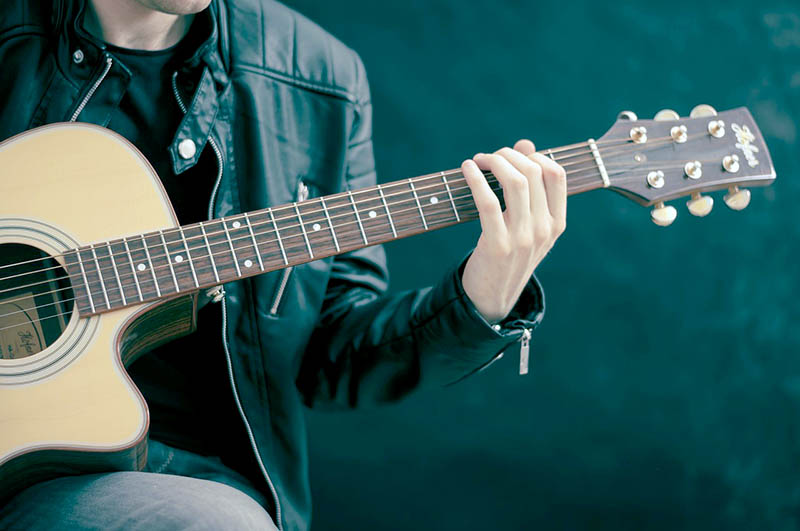
Music is one of the most loved artistic mediums throughout human history. For all music lovers, hearing the full spectrum of sound is essential. Missing the highs or lows can rob the experience of hearing something special. The most tragic fact about musicians is that they are four times more likely to suffer from hearing problems and over fifty percent more susceptible to developing tinnitus. The same is true for anyone who is consistently exposed to high decibels. The good news is that there are things that can help protect musicians hearing from over-exposure to loud sounds.
Musicians Hearing Loss: How to Protect Your Hearing
Hearing Tests
The first step in protecting your hearing from intense volume is to have your hearing checked by an audiologist regularly. If sudden changes occur, make sure to see a specialist at once.
Lower the Volume
Being too close to the high volume source is the most common way to damage hearing permanently. The good news is there are more than a few ways to lower the volume of any source. If you can’t reach the knob or can’t adjust the volume, adding space between you and the source can work just as well. Moving away or behind the speaker’s direction will provide a needed buffer.
Earplugs
When it comes to the concussive effects of sound on hearing, earplugs are one of the best defenses you can have. Earplugs are inexpensive, easy to use, and very portable. Keeping a few in your gig bag or instrument case will ensure they are always at hand. For extra protection, you can invest in custom earplugs that have been shown to be more effective than standard ones.
Take Breaks
The Mayo Clinic has advised musicians and everyone else to follow the 60/60 rule; devices producing sound are no more than 60% of maximum, for no longer than one hour or 60 minutes. Then take a short break from sound to rest your hearing for at least 15 minutes.
Use Headphones or Earbuds
One standard precaution that professional musicians rely on is using in-ear monitors or headphones. This allows musicians to keep the volume low and still be able to hear what is being played. The headphones have the added benefit of reducing the concussive effects of large stage speakers while performing live.
All these tips can help those who work in the music industry, people who love music, or anyone who works in loud environments. Protecting your hearing is a gift you can give yourself every day through good habits and attention to what is happening outside the music. If you are experiencing the signs and symptoms of hearing loss, contact us today.
Frequently Asked Questions
Musicians are four times more likely to suffer from hearing problems and over fifty percent more susceptible to developing tinnitus due to their frequent exposure to high decibel levels during performances and rehearsals. Continuous exposure to loud sounds can damage the delicate structures in the ears, leading to permanent hearing loss.
Musicians should have their hearing checked regularly by an audiologist to monitor any changes. Regular hearing tests help catch issues early and prevent further damage from prolonged exposure to loud sounds.
To lower exposure to loud volume, musicians can increase the distance between themselves and the sound source or move behind speakers to reduce direct sound impact. If possible, adjusting volume controls to lower levels also helps protect hearing.
Earplugs act as a barrier that reduces the overall intensity of sound entering the ear, preventing damage from high decibel exposure. They are portable, inexpensive, and can be custom-fitted for better effectiveness, making them an essential tool for hearing protection in loud environments.
The 60/60 rule recommends listening to sound at no more than 60% of the maximum volume for no longer than 60 minutes at a time, followed by taking a break of at least 15 minutes. This practice helps prevent hearing fatigue and reduces the risk of permanent hearing damage.
Musicians use headphones or in-ear monitors to hear their music clearly at lower volumes, which protects their ears from the high decibel levels of stage speakers. These devices also reduce the concussive effect of loud sounds, helping preserve hearing during live performances.
If someone experiences symptoms of hearing loss, they should promptly consult a hearing specialist or audiologist for a comprehensive evaluation. Early diagnosis and intervention can prevent worsening of hearing damage and improve quality of life.