
One thing we all have but rarely think about unless there is a problem is earwax. Earwax is an essential component for hearing health; normally, we don’t even notice its effects. Earwax lines the ear canals and traps moisture and debris, protecting the delicate hairs from damage. The ear canal is self-cleaning, and earwax should not be removed. However, some people experience an issue with the overproduction of earwax. While this condition is not considered threatening, it can be very uncomfortable. Some of the symptoms of earwax blockage can include; muffed or diminished hearing, drainage in the ear, congestion, tinnitus (ringing in the ears), dizziness, pain, and itchiness. If you are experiencing earwax blockage, try these helpful tips the next time you are having issues.
1. Be careful of what you stick in your ears
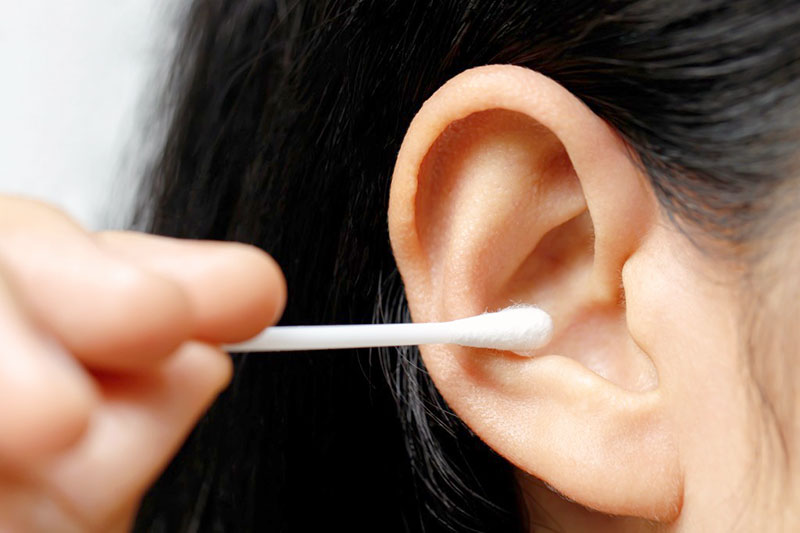
Doctors recommend that you don’t insert anything into your ear canal that is smaller than your elbow. That might sound like a joke, but it’s good advice as even cotton-coated swabs can puncture or damage the eardrum. If the build-up is excessive, this can also lead to impaction.
2. Using ear drops or oil
Before trying this remedy, make sure you do not have a perforated eardrum, as this can lead to worse problems requiring a hospital visit. Start by turning the affected ear upwards and placing a few ear drops or olive oil in the ear. Let it sit for approximately 5 to 10 minutes to help loosen any excess wax, then turn your head over onto a clean towel and allow it to drain. If both ears are giving you issues, repeat these steps for the other ear.
3. Exposure to warm moist environments
Another popular home remedy is hanging out in a sauna or taking a nice warm shower. The steam can help loosen wax build-up, making it easier to remove. Make sure to use a soft, clean towel and dry your ears thoroughly.
4. Be aware of impaction
Those who use earbuds regularly or have hearing aids should have their ears checked by a specialist as these kinds of devices have been known to cause wax impactions, and it needs to be treated professionally.
Frequently Asked Questions
Earwax plays a crucial role in maintaining ear health by lining the ear canals and trapping moisture and debris. This protective barrier helps prevent damage to the delicate hairs inside the ear, supporting proper hearing function.
Earwax blockage can cause a range of uncomfortable symptoms such as muffled or diminished hearing, drainage from the ear, congestion, ringing in the ears (tinnitus), dizziness, pain, and itchiness. These symptoms indicate that the wax is obstructing the ear canal and may require attention.
Doctors strongly advise against inserting any objects smaller than your elbow, including cotton swabs, into the ear canal. Doing so can puncture or damage the eardrum and may push wax deeper, leading to impaction and other complications.
If you do not have a perforated eardrum, you can use ear drops or olive oil to loosen excess earwax. Tilt the affected ear upwards, apply a few drops, and let it sit for 5 to 10 minutes before draining onto a clean towel. Repeat for the other ear if needed.
Yes, exposure to warm moist environments such as saunas or warm showers can help soften and loosen earwax buildup. The steam penetrates the ear canal, making it easier to remove the wax, but you should always dry your ears thoroughly afterward with a soft towel.
People who frequently use earbuds or hearing aids have a higher risk of earwax impaction because these devices can push wax deeper into the ear canal. Such individuals should have their ears checked regularly by a specialist to ensure proper treatment and prevent complications.