
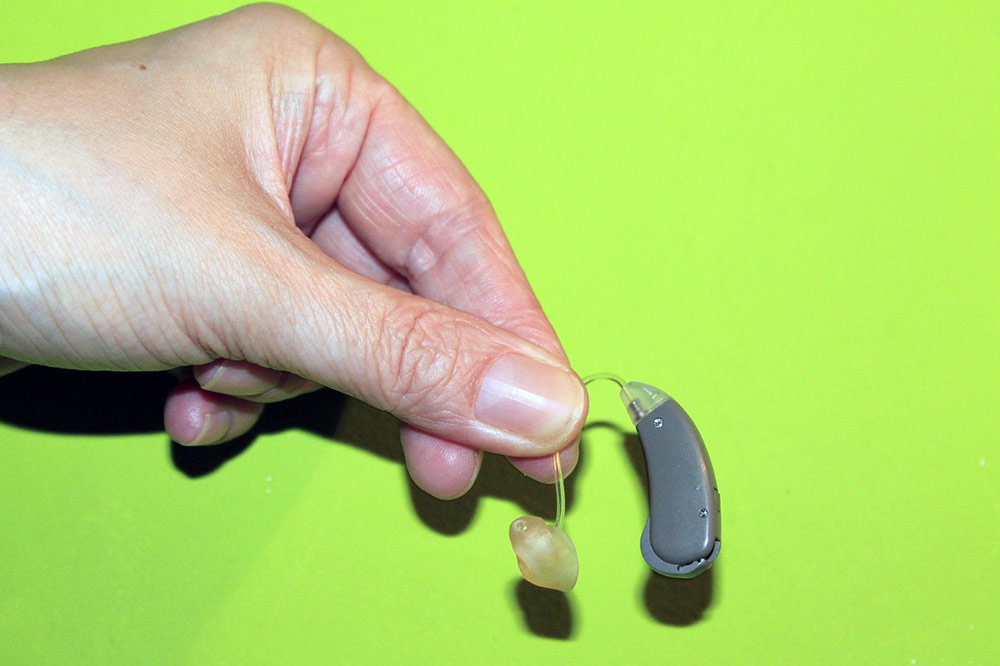
While your ability to hear allows you to live life to the fullest, the likelihood of hearing impairment increases as you age, especially between the ages of 60 to 69. Unfortunately, the social stigma of wearing hearing aids is difficult for some to overcome. An estimated 28.8 million American adults could benefit from hearing aids according to the National Institute on Deafness and Other Communication Disorders (NIDCD). Yet, less than one in three adults over the age of 70 has ever used hearing aids even though when used correctly they can have a positive impact.
If you are planning on purchasing your very first pair of hearing aids, know that there is an adjustment period. If you are wondering how you can get used to wearing hearing aids, check out our hearing aid wearing tips that will help you adjust.
• Slowly work up to wearing your hearing aids daily. Your hearing aids may not feel ‘right’ in your ear at first, so start off wearing them for an hour or two, and then work up from there. Slowly increase the hours daily until you can wear them the whole day.
• Be realistic about your expectations. Hearing aids will not restore your hearing back to 100%, and it will not be smooth sailing as soon as you receive them. With hearing aids, there is an adjustment period, and you will need to get used to wearing them. Keep this in mind, and you will be less likely to become discouraged.
• Remember, practice makes perfect. Retrain your brain and help your brain rewire by listening to audio books, practicing listening exercises, talking to other people in groups, talking on the phone, reading aloud to yourself, and by watching the television with the captions turned on.
• Know if the volume control needs to be manually adjusted or if it adjusts automatically. Often, manual volume adjustments are not required, but if you ever adjust the volume make sure you don’t have it set too high. If the volume is too loud, you may damage your hearing even more.
• Make sure you talk to your hearing care professional. Your doctor will help you with the fitting of your hearing aid, make any needed adjustments, and will monitor your progress along the way. So ensure you are keeping your doctor up to date, and use them for those times you have any questions or concerns.
Frequently Asked Questions
When you first start wearing hearing aids, your ears and brain need time to get used to the new sounds and sensations. The devices may feel uncomfortable initially, and your brain must relearn how to interpret sounds, which takes time and patience. This adjustment period is normal and helps ensure long-term success with your hearing aids.
To adapt to hearing aids, start by wearing them for just an hour or two each day and gradually increase the duration daily. This slow progression helps you become comfortable with the feel and sound of the devices without overwhelming your senses, eventually leading to full-day wear.
Hearing aids do not restore your hearing to 100%, but they significantly improve your ability to hear and communicate. There may be challenges and discomfort at first, but with time and proper usage, hearing aids provide a positive impact on your quality of life.
You can retrain your brain by engaging in listening exercises such as listening to audiobooks, participating in group conversations, reading aloud, and watching TV with captions. These activities help your brain relearn to process sounds more effectively when using hearing aids.
Many hearing aids automatically adjust volume, so manual adjustments are often unnecessary. However, if your device allows manual volume control, ensure it is not set too high, as excessive volume can cause further hearing damage. Consult with your hearing care professional if you’re unsure.
Your hearing care professional plays a key role in fitting the hearing aids properly, making necessary adjustments, and monitoring your progress. Regular communication ensures your devices work effectively and allows you to address any concerns or questions promptly for the best outcomes.
Although an estimated 28.8 million American adults could benefit from hearing aids, less than one in three adults over the age of 70 have ever used them. Social stigma and adjustment challenges contribute to this low usage despite the benefits of hearing aids.