
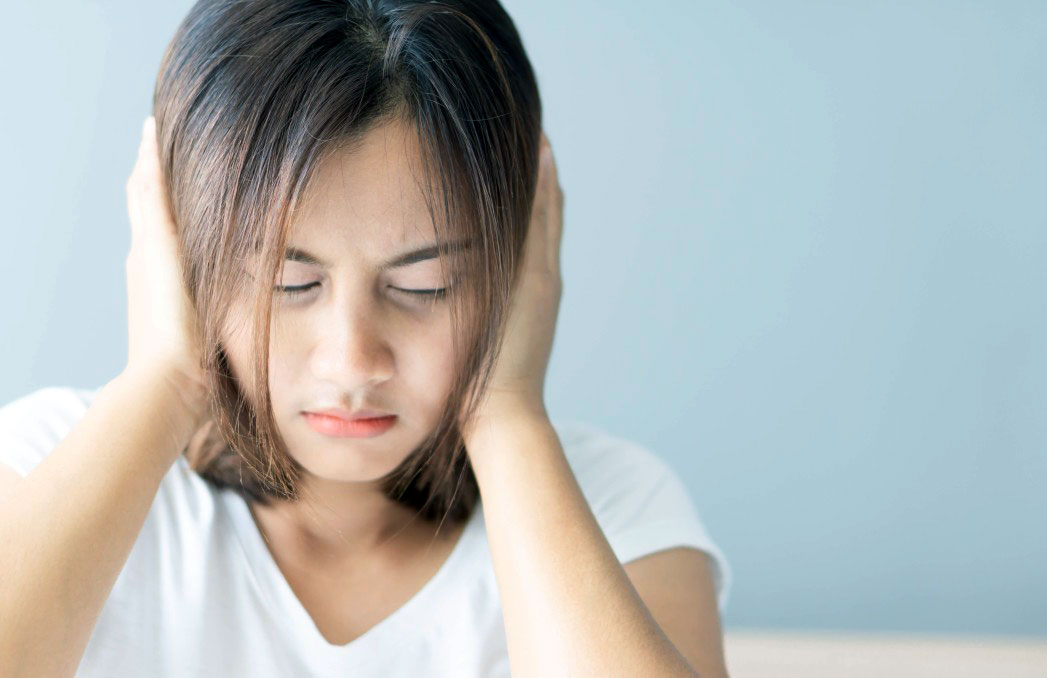
There are not many things worse than having ears that feel clogged, and a ringing sound in your head that doesn’t go away. These symptoms can have a negative impact on your day by affecting your concentration, affecting your mood, and could even affect your ability to remain balanced. Unfortunately, there are a few possible causes of clogged and ringing ears. But, having an understanding of what could cause this condition to occur can help you lower your chances of having it happen to you, and can potentially help shorten your symptoms if experienced.
The 4 Common Causes of Clogged and Ringing Ears
Impacted Earwax
Earwax not only protects the inner ear from water, bugs, bacteria, viruses, and debris; it also helps protect against ear infections. Typically, your ears are self-cleaning, and earwax will fall out of your ear on its own, but in some cases, this does not happen, and a buildup of earwax occurs. Impacted earwax can also cause you to experience earaches, dizziness, itching, and hearing loss. It is not advised to clean your ears, as this can cause damage. If you are experiencing impacted earwax, consult with your doctor.
Ear Infections
One of the other causes of clogged and ringing ears, a person with an ear infection can also experience headaches, ear pain, vomiting, and may even have a low-grade fever. Both bacteria and viruses can cause infections, as well as allergies and other environmental factors. While there are other associated factors of ear infections, treatment options typically include acetaminophen, antibiotics, and nonsteroidal anti-inflammatory drugs (NSAIDS).
Sinus Pressure
Experiencing sinus pressure is never pleasant, and it often accompanies a blocked or runny nose, fever, and a reduced sense of smell. Typically, sinus pressure is commonly caused by sinusitis, inflammation of the paranasal sinuses. Sinusitis can be caused by allergies, fungi, bacteria, viruses, or could be an autoimmune reaction. Bacteria, viral infections, allergies, diabetes, smoking, swimming, and even dental infections can lead to sinusitis, but luckily, most sinus infections will resolve spontaneously without treatment. For severe and persistent cases, a doctor should be seen.
Eustachian Tube Dysfunction (ETD)
A narrow tube that connects the nose and the ear, the Eustachian tube helps with drainage and ventilation of the middle ear and offers protection from infections. However, when the Eustachian tube isn’t functioning correctly, Eustachian tube dysfunction (ETD) can occur. ETD can cause a person to experience pain, muffled hearing, ringing in the ears, and balance problems. While doctors have not yet determined the exact cause of Eustachian tube dysfunction, those with mild cases usually clear up on their own after a few days. However, those experiencing severe dysfunction may require surgery.
Frequently Asked Questions
Clogged and ringing ears can cause symptoms such as a feeling of ear fullness, persistent ringing (tinnitus), difficulty concentrating, mood changes, and balance problems. These symptoms may vary depending on the underlying cause.
Impacted earwax occurs when earwax builds up and doesn't naturally exit the ear canal. This blockage can lead to symptoms like earaches, dizziness, itching, hearing loss, and the sensation of clogged ears and ringing. It is important not to attempt cleaning the ears yourself to avoid damage and instead consult a doctor.
Ear infections caused by bacteria, viruses, allergies, or environmental factors can lead to symptoms including ear pain, clogged sensation, ringing, headaches, vomiting, and low-grade fever. Treatment often involves pain relievers, antibiotics, and anti-inflammatory medications depending on the infection type.
Yes, sinus pressure resulting from sinusitis or inflammation of the sinuses can cause clogged and ringing ears. Sinusitis may arise from allergies, infections, or other triggers, and is often accompanied by nasal congestion, fever, and reduced sense of smell. Most cases resolve without treatment, but severe cases need medical attention.
Eustachian Tube Dysfunction occurs when the Eustachian tube, which connects the ear to the nose and helps regulate ear pressure and drainage, fails to function properly. This leads to symptoms like ear pain, muffled hearing, ringing in the ears, and balance issues. Mild cases often resolve on their own, but severe instances may require surgery.
It is not recommended to clean your ears yourself as this can cause damage or worsen earwax impaction. If you suspect impacted earwax or experience symptoms, it's best to consult a healthcare professional for safe removal and proper treatment.
You should see a doctor if symptoms persist, worsen, or are accompanied by severe pain, hearing loss, fever, vomiting, or balance problems. Medical evaluation is necessary to diagnose the underlying cause and provide appropriate treatment.