
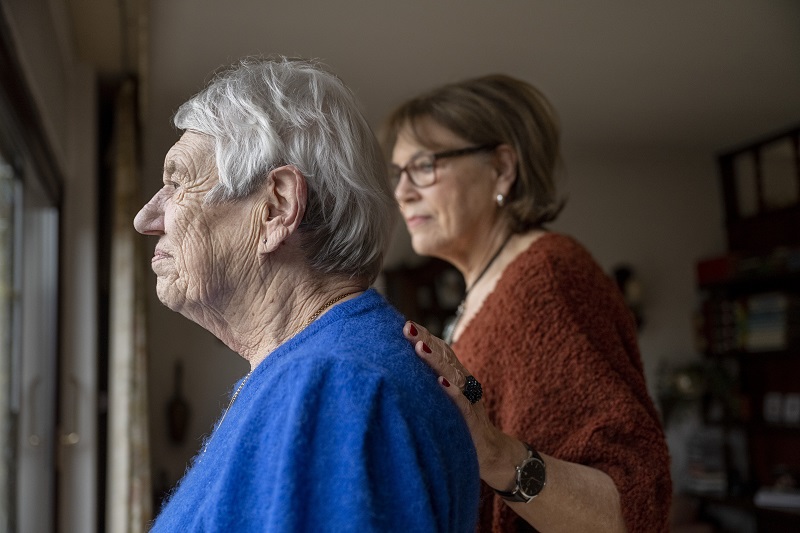
Hearing loss is a widespread issue, particularly among older adults, with about one-third of people over 60 experiencing some degree of impairment. Research increasingly highlights a strong connection between hearing loss and a higher risk of dementia, underscoring the need to address this often-overlooked health issue.
The Connection Between Hearing Loss and Dementia
A 2020 study in The Lancet found that hearing loss is associated with a 1.9 times greater risk of cognitive decline and dementia, particularly Alzheimer’s disease. While it’s unclear whether impaired hearing directly causes dementia, it is a significant risk factor. The relationship is complex, and shared underlying factors may contribute to both conditions.
Several mechanisms may explain the connection:
Cognitive Overload: Hearing loss causes the brain to work harder to process sounds, diverting resources from memory and thinking tasks and potentially accelerating cognitive decline.
Social Isolation: Difficulty hearing can lead to reduced social interaction, a known dementia risk factor, as it limits cognitive stimulation and increases the likelihood of depression.
Brain Changes: Studies, including a 2024 Johns Hopkins University analysis, show a connection between hearing loss and faster brain atrophy, especially in the temporal lobes, vital for memory and auditory processing.
Shared Causes: Both conditions may stem from common issues like vascular problems or inflammation, affecting auditory and cognitive functions.
Can Hearing Aids Help?
Hearing aids show promise in reducing dementia risk. A 2023 Johns Hopkins study found that people with hearing loss who used hearing aids experienced slower cognitive decline compared to those who didn’t. By improving auditory input and social engagement, hearing aids may support brain health. However, the Alzheimer’s Society cautions that more research is needed to fully understand their impact on dementia risk.
Severity and Timing Matter
The risk of dementia rises with the severity of hearing loss. A 2024 Johns Hopkins 12-year study tracked older adults and found that mild hearing loss doubled dementia risk, moderate loss tripled it, and severe loss increased it fivefold. Timing is also critical—midlife hearing loss (ages 40–65) may be an early warning sign or risk factor for dementia, per the Alzheimer’s Society.
Ongoing Questions
While the association between both conditions is well-established, debate continues about whether impaired hearing directly triggers dementia or if both share a common cause, like vascular damage. Further research is needed to clarify this relationship and guide prevention strategies. Addressing hearing loss early, particularly through interventions like hearing aids, could be a key step in protecting cognitive health and reducing dementia risk.
Frequently Asked Questions
Hearing loss is associated with a higher risk of dementia, including Alzheimer's disease. It may contribute to cognitive decline through mechanisms such as increased cognitive load on the brain, social isolation, accelerated brain atrophy, and shared underlying health issues like vascular problems. These factors can collectively increase the likelihood of developing dementia.
Hearing aids have shown promise in reducing dementia risk by improving auditory input and promoting social engagement, which supports brain health. A 2023 study indicated that hearing aid users experienced slower cognitive decline than non-users. However, more research is needed to fully understand their effectiveness in preventing dementia.
Yes, the risk of dementia increases with the severity of hearing loss. A long-term study found that mild hearing loss doubles dementia risk, moderate loss triples it, and severe loss increases risk fivefold. This highlights the importance of addressing hearing impairment promptly to potentially reduce dementia risk.
Hearing loss can make communication difficult, leading to reduced social interaction, which is a known risk factor for dementia. Social isolation decreases cognitive stimulation and can increase depression, both of which negatively impact brain health and may accelerate cognitive decline.
Midlife hearing loss, typically between ages 40 and 65, is considered particularly significant as it may serve as an early warning sign or risk factor for dementia. Early identification and management of hearing loss during this period could help protect cognitive health later in life.
Research shows that hearing loss is linked to faster brain atrophy, especially in the temporal lobes, which are crucial for memory and auditory processing. These structural changes may contribute to cognitive decline and increase dementia risk.
Both hearing loss and dementia may share common underlying causes such as vascular problems or inflammation, which can affect auditory and cognitive functions. This shared etiology complicates the understanding of whether hearing loss directly causes dementia or if both stem from related health issues.