
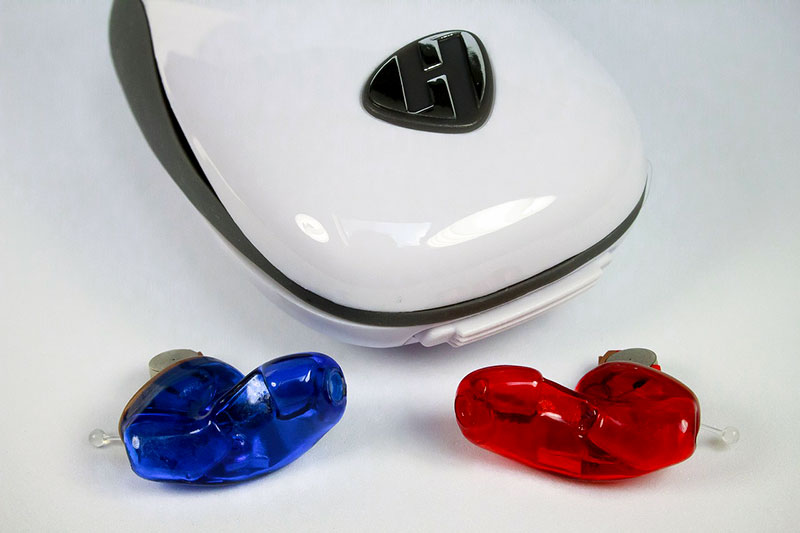
Typically when a person has mild to moderate hearing loss, hearing aids are the recommended route to take. However, hearing aids can be costly. Even most private health insurance plans don’t cover or fully cover hearing aids, and for those on Medicare are out of luck. According to a study done by Towson University and the Johns Hopkins Center on Aging & Health, they discovered that most adults with hearing loss do not wear a hearing aid. When they analyzed data from the 1999-2006 cycles of the National Health and Nutritional Examination Surveys (NHANES), it revealed that less than 20% of adults with mild to moderate hearing loss wear a hearing aid. Luckily, it looks like there is another option, a hearing aid alternative for those who may not be able to afford hearing aids.
The price tag on hearing aids is enough to make anyone go into sticker shock, even for the cheapest pair. Due to the high price, it’s probably safe to say that the low numbers of hearing aid users are mostly due to cost. Even with good insurance, the price tag can still be too hefty for many to afford. However, this study put hearing aids to the test, and it was discovered that many people might not need a costly hearing aid for their mild to moderate hearing loss. It was revealed that certain brands of over-the-counter-sound-amplification devices are almost as effective as hearing aids that can cost about $1,900 apiece, and these devices only sell for a few hundred dollars.
This study that was published in the Journal of the American Medical Association (JAMA), discovered that there was little difference in effectiveness between hearing aids that can cost about $1,900 per ear and some of the personal sound amplification products. Which only costs around 300 dollars. While many of these amplifiers don’t come with the advanced technology that a hearing aid can feature, for those on a budget, they may be the appropriate choice for hearing loss.
If you have mild to moderate hearing loss and have been on the market for a hearing aid, don’t discredit a personal sound amplification product if your budget does not support the purchase of a hearing aid. Be sure to partner with your doctor to help you find the best hearing aid alternative to fit your needs.
Frequently Asked Questions
For mild to moderate hearing loss, hearing aids are typically recommended as the primary solution to improve hearing ability. However, alternatives such as personal sound amplification products (PSAPs) may also be effective for some individuals, especially those on a budget.
Most adults with mild to moderate hearing loss do not wear hearing aids mainly due to the high cost. Even with private health insurance, hearing aids are often not fully covered, and Medicare usually does not cover them. This financial barrier leads many to avoid purchasing hearing aids.
Yes, over-the-counter personal sound amplification products (PSAPs) are an affordable alternative to traditional hearing aids. These devices cost a few hundred dollars compared to the approximately $1,900 cost per hearing aid and have been found to be nearly as effective for mild to moderate hearing loss in some studies.
Studies published in the Journal of the American Medical Association (JAMA) have shown that certain personal sound amplification products are almost as effective as traditional hearing aids for mild to moderate hearing loss. Although they may lack advanced features, they provide significant improvement in hearing at a fraction of the cost.
Medicare typically does not cover the cost of hearing aids, leaving many seniors to pay out-of-pocket. This lack of coverage contributes to the low usage rates of hearing aids among adults with hearing loss who rely on Medicare for their health insurance.
Yes, it is important to consult with a healthcare professional or audiologist when considering hearing aid alternatives. They can help determine the severity of your hearing loss and recommend the most appropriate device, whether it be a hearing aid or a personal sound amplification product, tailored to your needs and budget.