
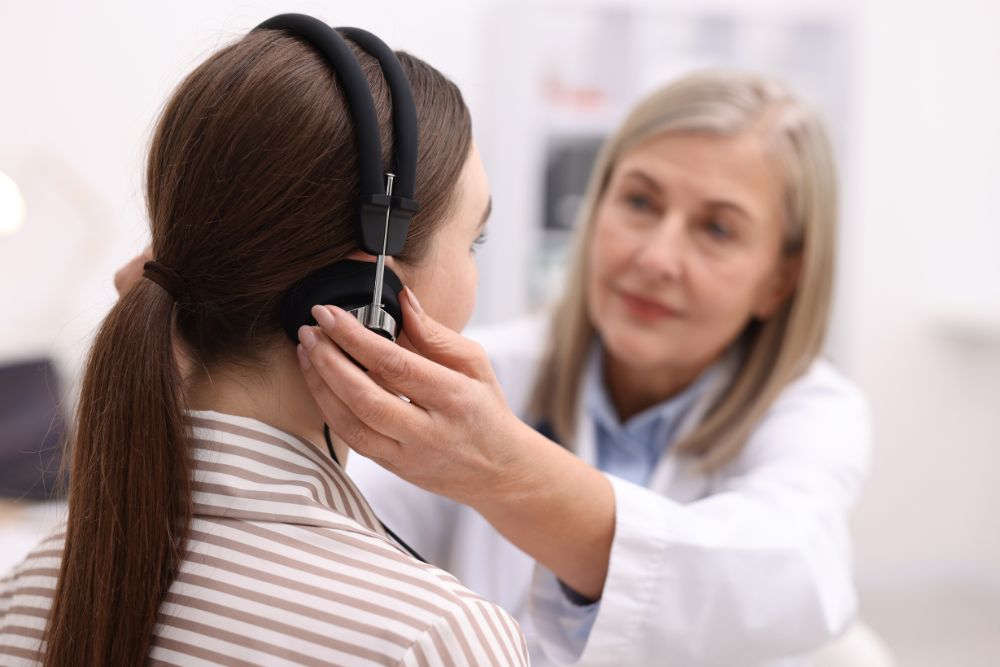
Hearing loss often develops gradually, making early signs easy to overlook. Recognizing these signs in March can help patients take action before symptoms begin to impact daily life.
Subtle Changes in Hearing
Early hearing loss does not always feel obvious. Many patients notice small changes over time, such as:
- Difficulty following conversations
- Frequently asking others to repeat themselves
- Trouble hearing in noisy environments
- Turning up the volume more than usual
The Impact on Daily Life
Even mild hearing loss can affect communication and confidence. Patients may begin to feel:
- Frustrated during conversations
- Mentally fatigued after social interactions
- Less engaged in group settings
Why Early Evaluation Matters
Addressing hearing changes early allows for more effective treatment and better long-term outcomes.
Early care can:
- Improve communication
- Reduce listening effort
- Support cognitive health
- Enhance overall quality of life
Modern Hearing Solutions
Today’s hearing technology is designed to be discreet, comfortable, and highly customizable. Even small adjustments can make a significant difference.
Take the First Step
If you have noticed changes in your hearing, a professional evaluation can provide clarity and direction.
The New York Hearing Center offers personalized hearing care to help patients hear clearly and confidently.
Frequently Asked Questions
Early signs of hearing loss often include subtle changes such as difficulty following conversations, frequently asking others to repeat themselves, trouble hearing in noisy environments, and needing to turn up the volume more than usual. These signs can develop gradually and may be easy to overlook at first.
Even mild hearing loss can affect communication, leading to frustration during conversations, mental fatigue after social interactions, and reduced engagement in group settings. These effects can diminish confidence and social participation.
Early evaluation allows for more effective treatment and better long-term outcomes. It can improve communication, reduce the effort needed to listen, support cognitive health, and enhance overall quality of life by addressing hearing issues before they worsen.
Modern hearing technology is discreet, comfortable, and highly customizable. These devices can make significant improvements even with small adjustments, helping patients hear clearly and confidently in various environments.
If you notice changes in your hearing, the first step is to seek a professional evaluation. This assessment provides clarity and a personalized care plan to address your specific hearing needs effectively.
Yes, addressing hearing loss early can help support cognitive health by reducing listening effort and social isolation, which are factors that can contribute to cognitive decline. Early care promotes better mental engagement and overall brain health.
The New York Hearing Center offers personalized hearing care, including professional evaluations and access to modern hearing solutions designed to help patients hear clearly and confidently, improving their quality of life.