It’s no surprise that people value a good deal, and in today’s technological age, good deals are everywhere on the internet. However, things are not always what they seem. Not every deal is worth jumping for, even if it looks that way at first. Usually, variables are at play that makes that seemly great deal, not such a good bargain. Unfortunately, we often don’t realize our mistakes until after the fact. While there is no fault in learning by trial and error, when it comes to your ears you should never be tempted by bargain prices.
If you have been debating buying a pair of hearing aids online, hold off until you read our information below. It may make you reconsider having the “bargain bin” mindset when it comes to buying hearing aids.
Some things to consider:
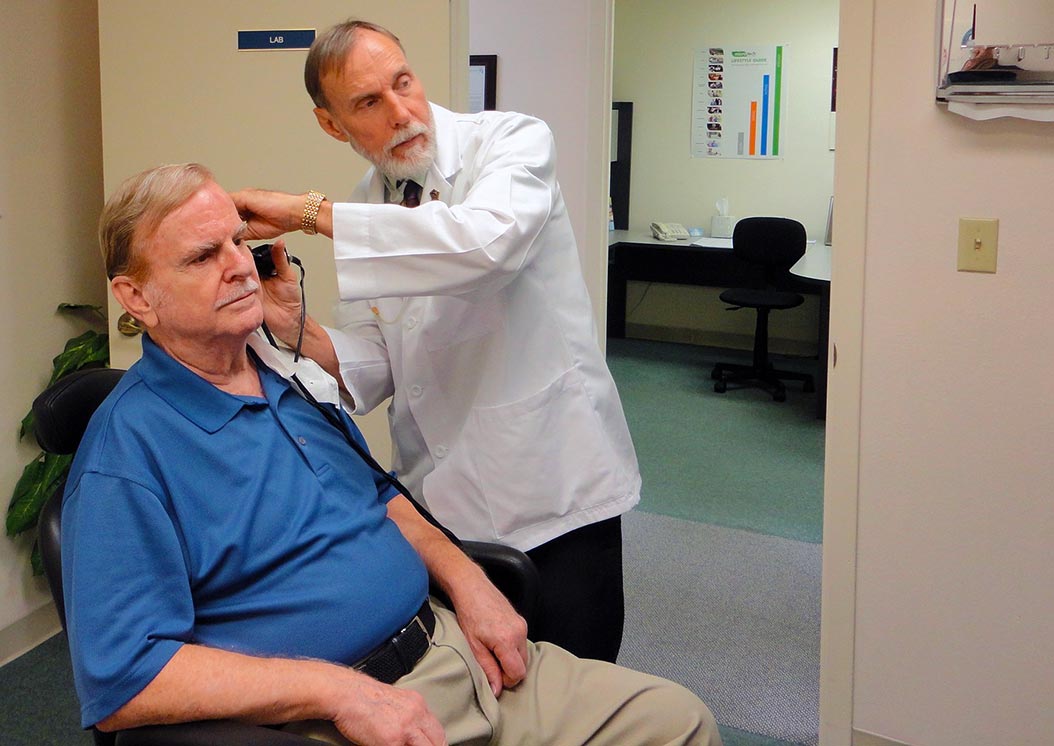
• Before you receive a hearing aid, a comprehensive exam is performed first by an audiologist. An exam is performed ahead of time to determine the reason(s) why you have difficulty hearing. The audiologist can then make the determination if hearing aids are needed.
• Using a hearing aid may not be necessary or be the best course of action for you. An audiologist can help guide you down the correct road and see if there is an underlying issue. You may need another form of treatment to help your hearing loss. In some cases, hearing loss can be resolved so the hearing aid wouldn’t have been needed in the first place.
• Do not be fooled by hearing screenings that are done over the web. You need to have a trained audiologist to do this in person. You want to ensure that you have an in-depth evaluation from someone who has the expertise and the proper equipment.
• If hearing aids are needed, a trained audiologist will help you with selecting the appropriate device for your unique needs. There are different hearing aids for various needs, so expertise in this area is required. Also, you can ensure that your hearing aids will fit properly.
• Hearing aids stimulate the hearing and speech centers of your brain, and because everyone is different, your hearing aid must be programmed for your unique needs. You can’t pop in your hearing aid out of the box and expect it to work.
• When you start using your hearing aid, your brain will need to be retrained to “listen” correctly. You will need the assistance of an audiologist for this.
• When you wear hearing aids, follow-up care is required. An audiologist will help teach your brain to comprehend and hear again. An audiologist will also monitor the performance of your hearing aid over time and make adjustments when needed.
• If you do need to use hearing aids, remember that using hearing aids will not return your hearing to normal. Many people have this misconception. Hearing aids are not designed to make your brain listen and comprehend better. This is why you need assistance from a professional.
Frequently Asked Questions
A comprehensive hearing exam performed by an audiologist is crucial to determine the exact cause of your hearing difficulty and to decide if hearing aids are actually necessary. This exam ensures that any underlying issues are properly diagnosed and treated, which might eliminate the need for hearing aids altogether.
Yes, hearing loss can sometimes be treated through other methods depending on its cause. An audiologist can evaluate your condition and recommend the best treatment, whether that’s hearing aids or alternative therapies that might resolve the problem without the need for devices.
Online hearing screenings are not as reliable because they lack the in-person expertise and specialized equipment that audiologists use. A thorough, face-to-face evaluation is necessary to obtain an accurate diagnosis and ensure appropriate treatment.
Hearing aids come in various types designed for different needs. An audiologist’s expertise is essential for selecting the right device and properly fitting it, ensuring the hearing aid works effectively and comfortably for your specific hearing loss and ear shape.
No, hearing aids must be programmed and adjusted by a trained audiologist to match your unique hearing profile. Simply using a hearing aid without proper programming can lead to poor performance and unsatisfactory hearing improvement.
Hearing aids stimulate the hearing and speech centers of the brain, which requires the brain to retrain itself to process sounds correctly. This retraining process is guided by an audiologist to help you adapt to your hearing aids effectively over time.
Follow-up care is vital because it allows the audiologist to monitor how well the hearing aids are working and make necessary adjustments. Additionally, the audiologist supports your brain’s adaptation to the new hearing experience to maximize benefit from the devices.
Hearing aids do not restore your hearing to normal but improve your ability to hear by amplifying sounds. Since they cannot make your brain process sound perfectly, professional assistance is needed to help you maximize your hearing capabilities.