
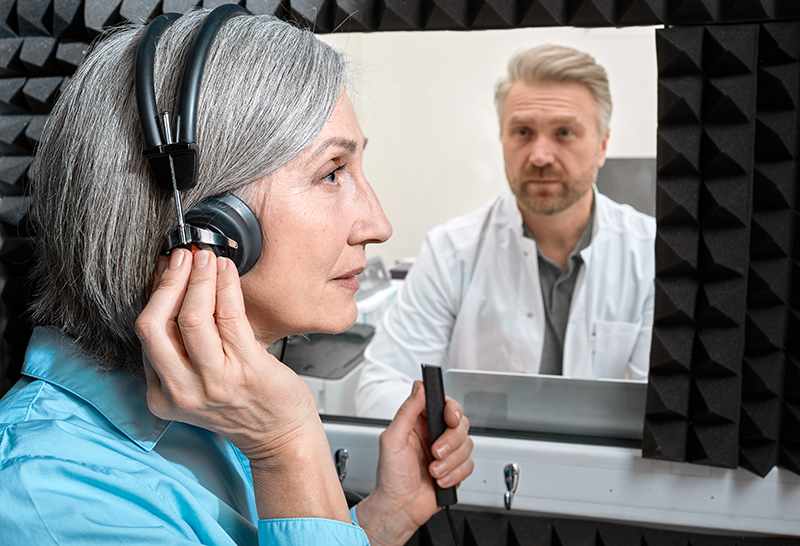
Auditory processing refers to the brain’s capability to perceive and interpret sounds within various environmental contexts, including tones, speech, and music. Understanding this ability is crucial for comprehending the implications of Auditory Processing Disorder.
Auditory Processing Disorder (APD) is when the brain’s capacity to process auditory information becomes compromised. This impairment may arise from a variety of factors, including hearing loss, attention disorders, autism spectrum disorder, or head trauma. Understanding these contributing aspects is critical for effective diagnosis and intervention strategies.
Common symptoms include:
• Difficulty understanding speech in a noisy place
• Difficulty locating sound sources
• Trouble comprehending intricate instructions
Other symptoms may manifest differently based on the specific characteristics of each patient.
How Auditory Processing Disorder Affects Children
Auditory processing disorders (APD) can impact individuals across various age groups, including both children and adults. In pediatric populations, APD is frequently misdiagnosed as learning disabilities such as Attention Deficit Disorder (ADD) and Attention Deficit Hyperactivity Disorder (ADHD). These disorders often hinder children’s ability to concentrate, impede their reading and writing skills, and create challenges in following verbal instructions, particularly in environments with excessive background noise. Furthermore, children born prematurely or those exposed to substances such as drugs or alcohol during gestation are at an elevated risk for developing auditory processing disorders.
APD in Adults
In adults, auditory processing disorder may present independently or in conjunction with other conditions, such as hearing loss, stroke, or head trauma. The formal diagnosis of auditory processing disorder necessitates a comprehensive evaluation through specialized tests to assess various aspects of auditory processing, including detecting and discriminating numbers, tones, and words. It is well-established that adults experiencing hearing loss exhibit a diminished capacity for auditory processing, which can result in delayed comprehension of spoken communications.
Treatment Options
The treatment approach for Auditory Processing Disorder (APD) typically includes using hearing devices and participating in in-person auditory training sessions with a qualified speech-language pathologist or through an accredited computer-based therapy program.
It is vital to acknowledge that unique needs may vary significantly. Your hearing care provider can carefully select, and fit hearing aids to suit your requirements and provide additional listening strategies to facilitate communication in challenging environments. Furthermore, your hearing care professional can recommend supplementary resources to support your auditory processing needs.
Frequently Asked Questions
Auditory processing is the brain's ability to perceive and interpret sounds such as tones, speech, and music within different environmental contexts. This ability is essential for understanding how individuals process auditory information and is critical when considering conditions like Auditory Processing Disorder (APD).
APD can result from various factors including hearing loss, attention disorders, autism spectrum disorder, or head trauma. These underlying issues affect the brain's ability to process auditory information effectively, leading to difficulties in understanding sounds and speech.
Common symptoms of APD include difficulty understanding speech in noisy environments, trouble locating sound sources, and challenges comprehending complex instructions. Symptoms can vary individually, depending on the specific characteristics of each patient.
In children, APD often mimics learning disabilities such as ADD or ADHD and can impair concentration, reading, writing, and following verbal instructions, especially in noisy settings. Premature birth and prenatal exposure to drugs or alcohol increase the risk for APD in children.
Yes, adults can have APD either independently or along with other conditions like hearing loss, stroke, or head trauma. Diagnosis involves specialized tests assessing the ability to detect and discriminate sounds, numbers, tones, and words to evaluate auditory processing capabilities.
Treatment typically includes the use of hearing devices and auditory training, either in-person with speech-language pathologists or via computer-based therapy. Hearing care providers personalize hearing aids and recommend strategies to improve communication in challenging listening environments.
Every individual with APD has unique needs; therefore, a personalized approach ensures the selection and fitting of appropriate hearing aids and tailored listening strategies. This individualized care helps optimize communication and auditory processing in complex environments.