
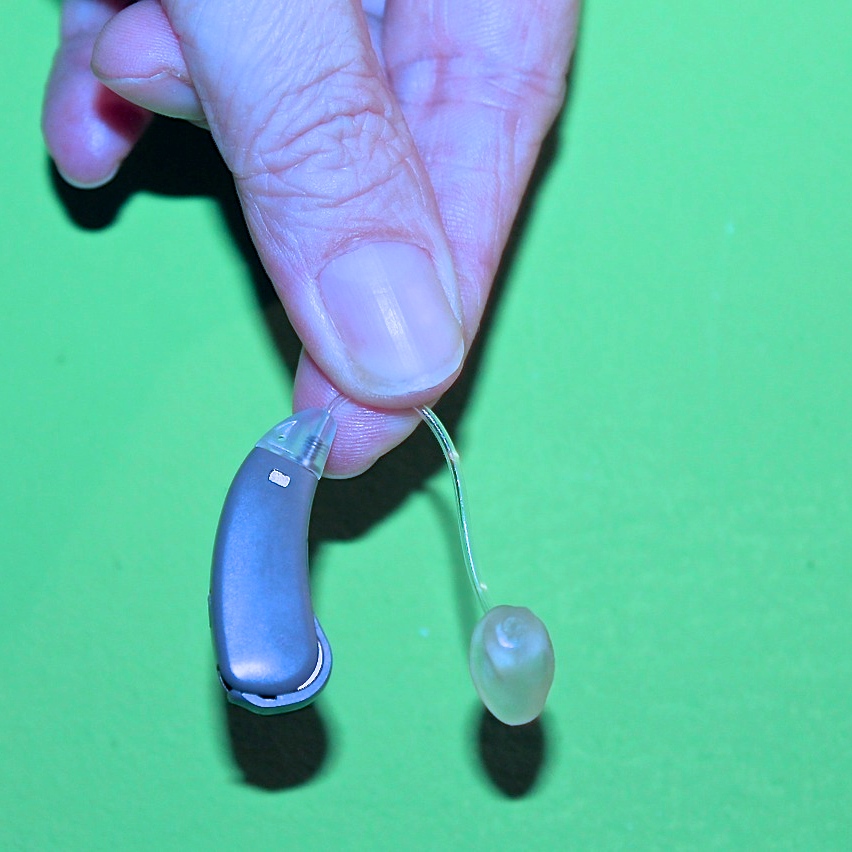
Summer is here, and for many that means beaches and keeping cool in the water. With all the summertime festivities and the heat, your hearing aids will need some extra TLC and maintenance. Hearing aids are very sensitive devices and summertime can present some problems. More often than not, repairs are a result of earwax, heat, and moisture during the summer. However, the vast majority of repairs can be prevented with proper care.
Remember, a little maintenance goes a long way! When well cared for, hearing aids can last you anywhere from 4 to 5 years. For you to have long-lasting hearing aids, be sure to follow these simple hearing aid summertime tips.
- Make you keep your hearing aids clean by cleaning them daily. You can do this before you put them in your ears, afterwards, or before and after!
- Talk to your audiologist about the best ways to clean and care for your particular hearing aid model.
- It is always a smart idea to stock up on extra tubes and batteries. Stocking up is of particular importance if you plan on traveling.
- Avoid leaving your hearing aid out in high temperatures or under direct sunlight. Hearing aids are very sensitive, and the heat can easily damage your hearing aids.
- Take out your hearing aids if the weather is sweltering, it is raining, and during exercise. Sweat and water are the two biggest threats to hearing aids during the summertime.
- Always use a tissue or a dry cloth to wipe down your hearing aids. Never clean them with a chemical cleaning solution. Instead, utilize disinfectant towelettes that are designed for cleaning hearing aids.
- Wipe down your hearing aids periodically throughout the day, especially if you find yourself sweating a lot.
- Invest in hearing aid sheaths or hearing aid “sweatbands.” Both can help keep out moisture, dirt, dust, and sweat.
- Use specially designed clips to help keep your hearing aids secure. This way, if your device falls out of your ear, it won’t go far!
- Make sure you have a Dri-Aid kit or some other electronic dryer to help protect your hearing aid from moisture or humidity. Many can kill bacteria and other germs, and can help you extend the life of your hearing aids.
- It doesn’t matter if your hearing aids are water-resistant or not, remove them before you jump into the water.
- Remove your hearing aid(s) before applying sunblock. The oils from sunscreen can damage hearing aids so make sure the sunscreen is absorbed and rubbed in before you put back in your hearing aids.
- When your hearing aids are not in your ears, keep them protected in their case or drying kit. You don’t want your dog eating your hearing aids. Keeping them in their case while they are not in use will also help prevent your hearing aids from getting lost.
- When your hearing aids are in their case, leave the battery door open. Leaving the compartment door open will help to avoid moisture buildup and can prevent corrosion from forming in the battery compartment.
- Keep your hearing aid protective case out of direct sunlight.
- Avoid storing your hearing aid case in humid places. The humidity will allow moisture and heat to build up.
- Avoid dropping your hearing instrument onto hard surfaces. They are very sensitive, and the shock can damage the receiver or another internal electronic component.
Frequently Asked Questions
To prevent damage to your hearing aids during summer, avoid exposing them to high temperatures, direct sunlight, sweat, and water. Remove your hearing aids before swimming, exercising heavily, or getting caught in the rain. Using protective accessories like hearing aid sweatbands and clips can also help shield your devices from moisture and keep them secure.
Clean your hearing aids daily using a tissue or dry cloth, avoiding chemical cleaning solutions. Use disinfectant towelettes specifically designed for hearing aids. Wipe them periodically throughout the day, especially if you sweat a lot, and consult your audiologist for care tips tailored to your specific model.
Yes, you should always remove your hearing aids before applying sunscreen since oils from the lotion can damage them. Also, remove your devices before swimming or any water exposure, regardless of water resistance, to protect against moisture damage.
Leaving the battery compartment door open while storing your hearing aids helps prevent moisture buildup inside the battery compartment, which can cause corrosion and damage. This practice extends the life of the batteries and the hearing aid itself.
Use a Dri-Aid kit or another electronic dryer designed for hearing aids to remove moisture and kill bacteria. Store your hearing aids in their protective case, keeping the battery door open and the case out of direct sunlight or humid environments to reduce moisture accumulation.
Summer activities and travel may increase the risk of losing or damaging hearing aid components like batteries and tubes. Having extras on hand ensures you can replace them promptly without interruption to your hearing aid’s function, especially when traveling or in remote areas.
Hearing aids are sensitive devices that can be damaged by drops or shocks onto hard surfaces. Always handle them carefully, use clips to secure them in your ears, and store them safely in a protective case when not in use to avoid accidental falls and impact damage.