
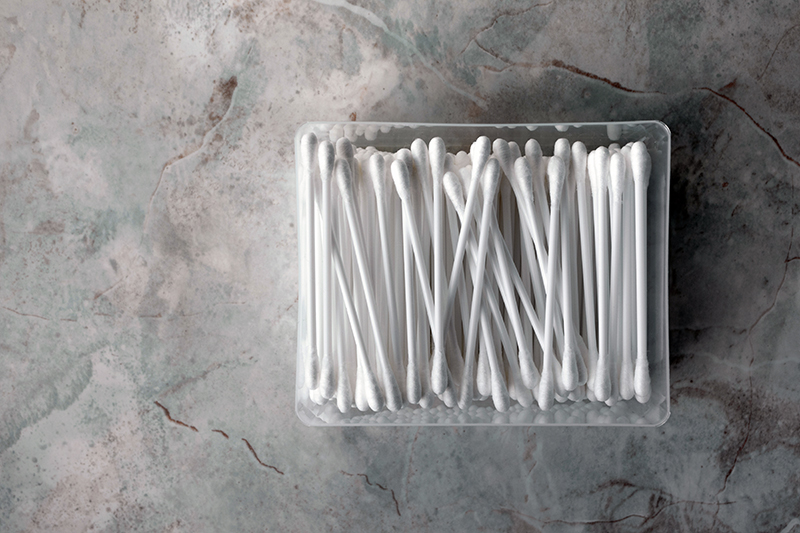
It is a generally followed practice to keep Q-tips cotton swabs in the bathroom to clean out one’s ears. However, this seemingly essential task carries substantial risks. The American Academy of Otolaryngology cautions that using cotton-tipped swabs or other home instruments presents a severe risk of damage to the eardrum and ear bones. Accidental damage to the ears is a frequent outcome of using cotton swabs, with the most common cause of eardrum rupture being trauma resulting from such actions. If you often use Q-tips to remove earwax, this article answers frequently asked questions and highlights the potential dangers associated with this method.
Using Q-Tips to Remove Earwax: The Risks and Hazards
Earwax can be troublesome, causing hearing problems, itching, dizziness, and discomfort if there’s an excessive amount of it. However, you don’t need to clean your ears regularly. Earwax is usually healthy and beneficial for the ear. It helps protect against infections, dry skin, and unwanted dirt and debris.
What are the Risks of Using Q-Tips for Earwax Buildup?
Eardrum Rupture
Putting cotton swabs or other instruments in the ear is the most common cause of eardrum rupture. This can lead to painful injuries, infections, and hearing loss. It is essential to avoid inserting any foreign objects into the ear canal.
Infections
It is advisable to abstain from using cotton swabs in your ear as they may introduce harmful bacteria, dust, and dirt particles into your ear canal, potentially leading to infections.
Pain and discomfort
Even if you don’t fully rupture your eardrum, using cotton swabs can cause harm, such as scratches, inflammation, and pushing wax deeper into the ear canal, exacerbating discomfort.
Getting debris trapped in the ear
When inserting a swab, the cotton material can become loose and impacted, causing discomfort and pain, or could lead to hearing loss and increase the risk of infections.
How Frequently Should the Ears Be Cleaned?
Earwax cleaning is optional for most people. Our ears are self-cleaning organs, as the earwax collects dirt and debris and gradually pushes it out. Once it dries, it falls out on its own, preventing unwanted particles from entering our ears and reducing the risk of infection. However, cleaning your ears using a cotton swab can be dangerous as it can easily rupture your eardrum. Since the eardrum is exceptionally delicate, even gentle pressure from a swab can cause severe pain and clear fluid leakage from the ear. If it gets punctured, it can take a while to heal and may even result in conductive hearing loss. Therefore, it is essential to avoid using cotton swabs to clean your ears to maintain your ear health and prevent any damage.
Recommended Cleaning Tips for Earwax Buildup
While proper hygiene is crucial for maintaining good health, your ear is a delicate organ that can cleanse itself naturally in most cases. The ear canal’s self-cleaning mechanism involves the production of cerumen or earwax, which collects and traps dirt, debris, and bacteria that might enter the ear. Over time, the wax dries up and falls out of the ear canal, taking the trapped particles with it.
It is important to note that the ear canal is a sensitive part of the ear that could be injured by objects such as cotton swabs or other foreign objects. These items can push the earwax deeper into the ear canal, causing blockages, infections, and hearing loss. On the other hand, the outer ear, also known as the pinna, can get dirty due to sweat, dust, and other environmental factors. Cleaning the pinna is a simple process involving soap, water, and a washcloth while showering. However, it is essential to be gentle while cleaning to avoid causing any damage or irritation to the skin.
If you’re experiencing issues related to your ears, throat, or nose, it’s best to consult an ENT specialist who can appropriately help you. An ENT specialist can examine your ear and safely remove any earwax buildup.
Frequently Asked Questions
Using Q-tips or cotton swabs to clean ears is risky because they can cause serious damage such as eardrum rupture, infections, pain, and pushing earwax deeper into the ear canal. The American Academy of Otolaryngology warns that these instruments can injure the ear's delicate structures, leading to complications like hearing loss.
Common dangers include eardrum rupture, which is the most frequent injury; introduction of bacteria leading to infections; pain and inflammation; and the possibility of pushing debris or swab fibers deeper into the ear canal, potentially causing blockages and hearing loss.
For most people, regular ear cleaning is unnecessary because ears are self-cleaning organs. Earwax naturally collects dirt and debris and gradually moves out of the ear canal. Over-cleaning, especially with swabs, can do more harm than good by damaging the ear canal or eardrum.
Earwax serves a protective role by trapping dirt, debris, and harmful bacteria, preventing infections and keeping the skin inside the ear moist and healthy. It naturally moves outward from the ear canal, carrying unwanted particles away from the eardrum.
The outer ear, or pinna, can be gently cleaned during showers using soap, water, and a washcloth. It is important to avoid inserting any objects into the ear canal and to be careful not to irritate or damage the skin of the outer ear while cleaning.
If you experience symptoms of earwax buildup or other ear-related issues, it is best to consult an ENT (Ear, Nose, and Throat) specialist. They can safely examine your ear and remove earwax or address any other problems without risking injury.