
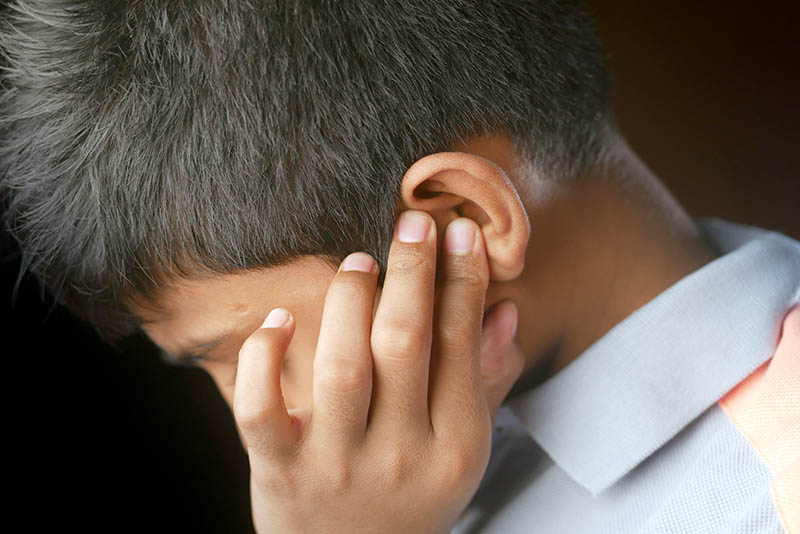
Dealing with a cold or the flu can make you miserable. Unfortunately, sinus pressure, ear pressure, and a runny nose may be just the beginning of your issues. Your sinuses comprise your nose, throat, and ears, so when a problem develops in one area, the others will also be affected.
What is the Eustachian Tube?
The tiny passageway that attaches your middle ear to your throat is called the Eustachian tube. It opens when you sneeze, yawn, or swallow. This helps to prevent air pressure and fluid from building up inside your ear canal and eardrum. It’s vital in equalizing the pressure in your ear. When this tube gets blocked, it can affect your hearing, causing pressure, pain, and blockage in your ears.
The Causes Behind Ear Pressure
There are many reasons why your Eustachian tube becomes partially blocked. The explanation for the pressure comes from a combination of mucus secretions and inflammation. Sinus infections, allergies, the common cold, airborne irritants, swimmer’s ear, and pressurized air travel can all cause ear congestion and Eustachian tube dysfunction. The most common symptoms of ear congestion include:
• Feelings of acute pressure or feelings of “fullness” in the ear
• Temporary or persistent ringing in the ears
• Partial or total loss of hearing
• Balance issues
• Experiencing vertigo or dizziness
Home Remedies for Ear Pressure
Fortunately, ear pressure can be effectively treated with simple remedies that you can do at home.
• Aromatherapy. Essential oils like Eucalyptus oil can help unclog sinuses. You can use it alongside steam inhalation, put a few drops in a bowl of steaming water, in your bath water, or inhale it directly from the bottle.
• Drink a glass of water at least every two hours. Drinking fluids like broth, herbal teas, and juices will help reduce mucus.
• Using a hot compress, apply for half a minute, and repeat with minute intervals while laying on your side.
• Valsalva maneuver; pinch your nostrils and blow your nose gently with your mouth closed. You can repeat this as necessary.
• Tugging on your ear lobe while tilting your head to your shoulder.
• Swallowing, yawning, and chewing gum will trigger the muscles in the face that open the Eustachian tubes.
Over-the-Counter Remedies
• Over-the-counter ear drops that contain alcohol will help dry out the ear canal.
• Nasal decongestants can also provide relief by stimulating the sinus passages to open up.
• Neti pot with saline solution will irrigate your nasal cavities, flushing out the blockage.
• Humidifiers keep the air moist, eliminating the dry air that irritates inflamed nasal cavities.
• Filtered earplugs can help balance the pressure in your ears, providing relief.
When is it Time to See a Doctor?
Finding the root cause of Eustachian dysfunction is crucial when over-the-counter and home remedies fail. If the problem remains for an extended time, it can worsen dramatically, leading to a possible rupture. If your condition lasts longer than two weeks, the pain becomes unbearable, or you experience total hearing loss, it would be advisable to seek medical attention right away. Since ear pressure can be associated with so many different conditions, dealing with severe issues requires a doctor to treat them properly.
Frequently Asked Questions
The Eustachian tube is a small passageway that connects the middle ear to the throat. It plays a vital role in equalizing air pressure within the ear by opening during actions like sneezing, yawning, or swallowing. Proper function of this tube helps prevent fluid buildup and pressure that can cause ear discomfort or hearing problems.
Ear pressure often results from blockage or dysfunction of the Eustachian tube caused by mucus secretions and inflammation. Common triggers include sinus infections, allergies, colds, airborne irritants, swimmer's ear, and air travel, which can all lead to symptoms such as ear fullness, ringing, hearing loss, dizziness, and vertigo.
Home remedies for ear pressure include aromatherapy using essential oils like eucalyptus, staying well-hydrated, applying a hot compress, performing the Valsalva maneuver, tugging the earlobe, and activities like swallowing, yawning, or chewing gum to open the Eustachian tube. These methods help reduce mucus, open blocked passages, and ease discomfort.
Over-the-counter remedies include ear drops containing alcohol to dry the ear canal, nasal decongestants that open sinus passages, saline irrigation with a neti pot, humidifiers to moisten airways, and filtered earplugs to balance ear pressure. These treatments help reduce inflammation, clear blockages, and provide relief.
You should seek medical attention if ear pressure persists longer than two weeks, if you experience severe pain, total hearing loss, or if home and over-the-counter treatments do not provide relief. Prolonged or worsening symptoms may indicate serious underlying issues requiring professional diagnosis and treatment to prevent complications like eardrum rupture.
Swallowing and yawning activate muscles that open the Eustachian tubes, allowing air to flow through and equalize pressure between the middle ear and the throat. Chewing gum can also produce the same effect, making these simple actions effective for relieving ear congestion and discomfort.
Yes, using a neti pot with a saline solution helps irrigate the nasal cavities, flushing out mucus and blockages that can contribute to Eustachian tube dysfunction. This can reduce inflammation and sinus congestion, thereby relieving ear pressure associated with these issues.