
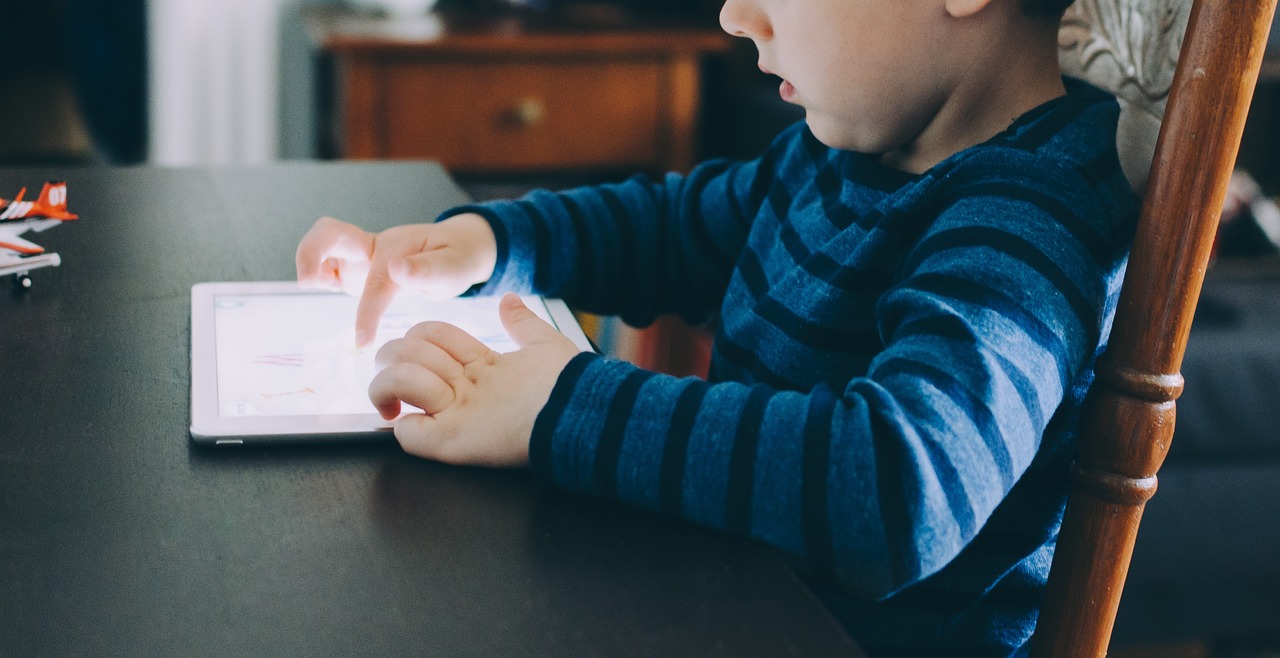
While personal technology such as iPods and iPads has its share of advantages, for children, it can hinder their development, specifically in the speech and hearing department. Many feel that the excessive use of technology is replacing face to face human interaction and conversation. While other evidence suggests that these devices can have adverse effects on brain development. However, for audiologists, they see the link between technology and children’s hearing loss. The main concern is the volume level that many have their personal devices set at. In children, the repeated misuse of personal technology could potentially damage a child’s ears and affect their hearing. In fact, it only takes only 28 seconds of high volume listening to cause permanent hearing damage, and young children are still developing, making them much more vulnerable to high volume damage.
Luckily, there are steps parents can take to help ensure technology and children’s hearing loss never go hand in hand. Read on to learn more about what you can do to protect your child’s hearing from personal technology devices.
1. Reasonable parameters should be set, and the education of safe usage should be taught to your child. Teach your child to value their hearing and how loud noises can harm their ability to hear.
2. On many devices, there is a setting that can limit the maximum volume so you can lock it to a safe listening level. Set this level to no more than 75dB.
3. Your child’s volume level is up too loud when you can hear the music coming from your child’s headphones.
4. Set a good example for your children by setting aside your own technology in favor of some one-on-one time with your child.
5. Stay away from in-ear headphones. They are more damaging than headphones that rest over the ear.
6. Noise-canceling headphones can help block out sound, preventing the need to turn up the volume level to drown out the outside noise.
7. If the device does not have a volume limit setting on it, there are headphones available for purchase that will keep the volume level below 85 decibels, no matter how high the volume level is turned up.
8. Entirely restricting your child from the use of technology is not healthy. Instead, find a healthy balance between time away from technology and time that they can utilize technology’s benefits.
9. Learn the early signs of hearing loss. See a doctor right away if your child complains about any of these symptoms:
• Ringing in the ears (tinnitus)
• The feeling of pressure or fullness in the ears
• Muffled or distorted sounds
• Often asking for repetition or clarification
• Difficulty understanding speech
If you have any concerns about your child’s hearing, make an appointment as soon as possible with a doctor to get your child’s hearing checked.
Frequently Asked Questions
Excessive use of personal technology like iPods and iPads at high volumes can lead to hearing loss in children. Children are especially vulnerable because their ears are still developing, and listening to loud sounds for even as little as 28 seconds can cause permanent hearing damage.
It is recommended to set the maximum volume on personal devices to no more than 75 decibels for children. Many devices have settings to limit the volume to a safe level, which parents should activate and lock to protect their child's hearing.
A practical way to check if the volume is too loud is if you can hear the music or audio coming from your child’s headphones. This indicates that the volume is at an unsafe level that could harm their hearing over time.
Over-the-ear headphones are recommended over in-ear headphones because they are less damaging to hearing. Additionally, noise-canceling headphones can help block out background noise, reducing the need to increase volume levels excessively.
If a child experiences symptoms like ringing in the ears, muffled sounds, difficulty understanding speech, or frequently asks for repetition, parents should promptly consult a doctor. Early diagnosis is important for managing potential hearing loss effectively.
Completely restricting technology use is not recommended as it can be unhealthy. Instead, parents should aim for a balanced approach, allowing limited, controlled use of technology while teaching safe listening habits to protect their child's hearing.
Parents should teach children about the importance of hearing health, explaining how loud noises can damage hearing. Setting reasonable guidelines and demonstrating safe technology use can help children develop lifelong habits to protect their ears.