
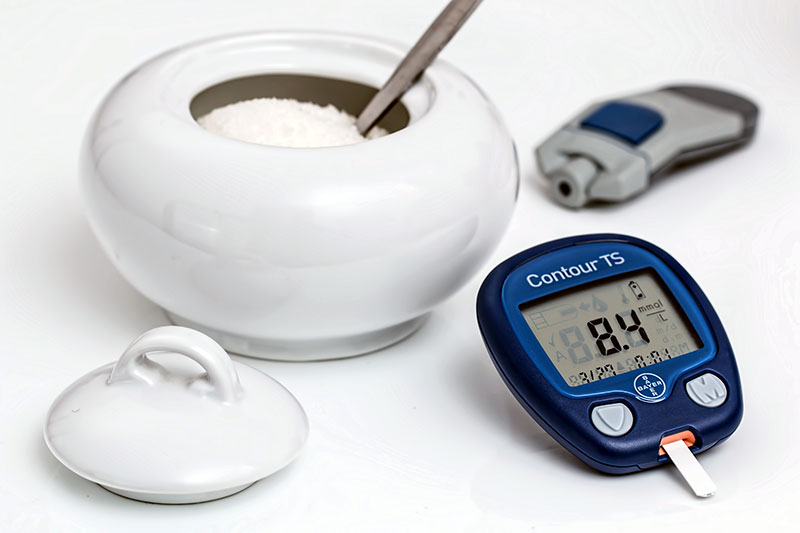
Considered to be two of America’s most widespread health concerns, there is a considerable overlap between hearing loss and diabetes as people with diabetes have a higher risk of developing hearing problems than people without diabetes. In fact, back in 2008, the National Institutes of Health (NIH) discovered that hearing loss is twice as likely to happen to an adult with diabetes as those who do not have the disease. Research suggests that hearing loss in people with diabetes occurs from poor circulation that results from having elevated blood sugar levels. Having high blood glucose levels can damage the nerves and small blood vessels in the inner ear, reducing blood flow and subsequently damaging structures of the inner ear. Making it possible that hearing loss in diabetics could be the result of damage to the ear’s blood vessels.
Hearing loss can happen gradually, making the signs and symptoms hard to notice. If you or your family has seen any of the signs of hearing loss, make an appointment with your local hearing care professional.
The Signs and Symptoms of Hearing Loss
• People sound like they are mumbling when they are talking.
• Often have to turn up the television or radio.
• Have to ask others frequently to repeat themselves.
• You have issues following conversations that have more than two people involved.
• You have problems hearing from one side, and often have to ask people to talk in your “good ear.”
• Have a difficult time hearing in noisy places.
• You have a hard time hearing the voices of children and women.
Many believe that hearing loss is a majorly under-recognized complication of diabetes. To help raise awareness of the link between hearing loss and diabetes for American Diabetes Month, check out these healthy hearing habits for those with diabetes.
• Maintaining a healthy and balanced diet is a must if you want to lower your risk of hearing loss. While this tip is a must for every area of your health, it has to be heavily emphasized. You need proper fuel if you want your body to continue to perform like the machine it is. Remember, you are what you eat.
• Exercising regularly can improve your circulation, improving your blood flow, both which are needed for healthy hearing. Plus, regular exercise can help fend off obesity, which can also increase your risk of hearing loss.
• Take extra precautions to keep your blood sugar level in check. Since your hearing health heavily depends on the state of your blood sugar levels, be sure to work with your doctor and take your medications as prescribed.
• If you smoke, stop, as smoking can increase your risk of cardiovascular disease, and cardiovascular disease can increase your risk of hearing damage. Your inner ear is sensitive, and its wellbeing is dependent on good blood flow.
• If you own a pair of hearing aids, don’t let your pride or stubbornness get in the way, wear them! Hearing aids can really help improve your quality of life, and today’s hearing aids are pretty amazing. They are high tech, incognito, and they can even be waterproof.
• If you know you are going to be exposed to loud and continuous noise, make sure you use ear protection. While noise-induced hearing loss is widespread, it can be prevented. Make sure you wear the appropriate ear protection when you are at work, at a fireworks show, at a concert, or anywhere else that is loud enough to damage your ears.
• This tip goes for both diabetics and non-diabetics, but including annual hearing tests as part of your regular check-up regime is necessary. Having your hearing checked yearly can help you catch issues and potential problems early, making the chances higher of something being able to be done to correct the problem before it snowballs into a bigger one.
Frequently Asked Questions
People with diabetes have a higher risk of hearing loss primarily due to high blood sugar levels damaging the small blood vessels and nerves in the inner ear. Poor circulation caused by elevated glucose reduces blood flow, which in turn harms structures critical for hearing.
Common signs of hearing loss include people sounding like they are mumbling, needing higher volume on TVs or radios, frequently asking others to repeat themselves, difficulty following multi-person conversations, trouble hearing from one side, and struggling to hear in noisy environments or the voices of children and women.
Proper diabetes management, including maintaining healthy blood sugar levels, can help protect the delicate blood vessels in the ear. Working closely with your doctor, taking medications as prescribed, following a balanced diet, and exercising regularly all support better circulation and nerve health, reducing hearing loss risk.
Key habits include eating a balanced diet to nourish the body, engaging in regular exercise to improve circulation, quitting smoking to protect cardiovascular and ear health, using hearing aids if needed, protecting ears from loud noises, and having annual hearing tests to monitor hearing health.
Wearing hearing aids can significantly improve quality of life by enhancing hearing ability, facilitating communication, and preventing social isolation. Modern hearing aids are discreet, technologically advanced, and even waterproof, making them comfortable and effective for daily use.
Smoking increases the risk of cardiovascular disease, which impairs blood flow to sensitive areas like the inner ear. For people with diabetes, this compounded effect can accelerate hearing damage due to reduced circulation and nerve health, making smoking cessation crucial for preserving hearing.
Annual hearing tests help detect hearing loss early when treatment or management strategies can be more effective. Regular monitoring is important for people with diabetes because they have a higher risk for hearing problems that can develop gradually and go unnoticed without testing.