
Sudden hearing loss in one ear is rare but often treatable when addressed promptly. It typically affects only one ear and may be noticed upon waking, over several days, or while using devices such as earbuds or a mobile phone. Individuals may also experience accompanying symptoms, including a popping sound, tinnitus (ringing in the ears), or vertigo. In this article, we aim to provide an understanding of the condition and to enhance the likelihood of recovery.
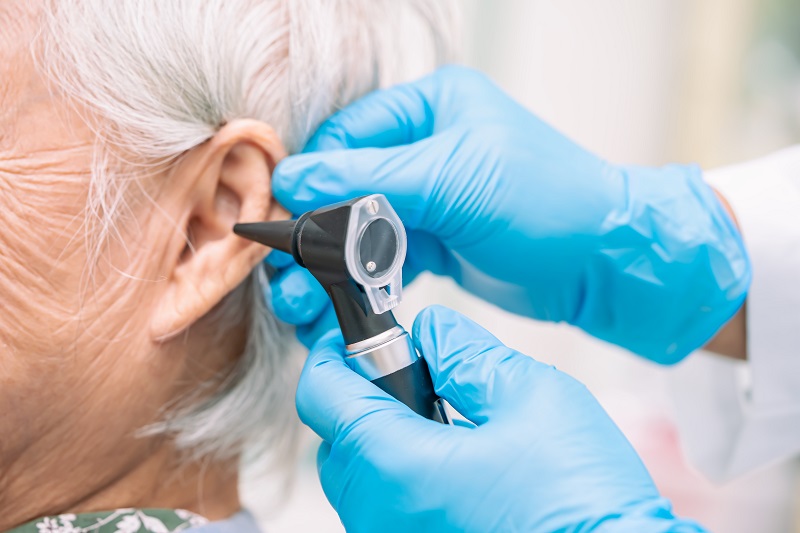
While the likelihood of hearing loss in the opposite ear is low, sudden hearing loss is a medical emergency that requires immediate consultation with an ENT specialist or audiologist. An ENT professional can assess your hearing through various tests, including pure-tone audiometry, to identify underlying causes such as earwax impaction, fluid retention, or damage to the auditory nerve. Additionally, an MRI may be ordered to exclude the presence of tumors or neurological disorders. According to studies by the Hearing Loss Association of America, about 50% of individuals may recover some or all of their hearing within 1 to 2 weeks without medical intervention. However, this recovery rate improves with timely medical care.
Common Causes of Sudden Hearing Loss in One Ear
Finding the exact cause of the condition is a complex task, as only around 15% of specific origins are understood. The most prevalent factor typically involves damage to the inner ear, which results from:
Infections: Usually viral, though bacterial infections can occasionally be the cause.
Vascular issues: Conditions like heart disease or ischemia (reduced blood flow to the ear) can lead to hearing loss.
Neurological disorders: Diseases like multiple sclerosis, Alzheimer’s, or Parkinson’s may contribute to the condition.
Tumors: Rare tumors, such as acoustic neuromas, can press on the ear’s hearing and balance nerves.
Viral infections and blood flow problems are the most frequent culprits. An ENT can diagnose the cause and recommend appropriate treatment.
Treatment Options for Sudden Hearing Loss
Prompt treatment significantly improves recovery odds. Based on your symptoms and medical history, an ENT may recommend:
Oral steroids: The primary treatment, these reduce inflammation and swelling to aid nerve recovery. Side effects may include fluid retention, stomach upset, or high blood pressure.
Intratympanic steroids: For those unable to take oral steroids, a numbed eardrum allows a fine needle to deliver concentrated steroids to the middle ear, reducing inflammation. This can complement or replace oral steroids.
Steroids have proven to be the most effective treatment, while other historical approaches have shown limited success.
Act Quickly: See an ENT Immediately
If you experience sudden hearing loss in one ear, don’t wait. Seek an ENT doctor right away to maximize recovery chances. While some cases resolve on their own, early intervention significantly boosts the likelihood of regaining some or most of your hearing. Complete recovery is rare, but timely treatment offers the best chance of a good outcome.
Frequently Asked Questions
Sudden hearing loss in one ear may occur upon waking or gradually over a few days and can be accompanied by symptoms such as a popping sound, tinnitus (ringing in the ears), or vertigo. These symptoms often prompt individuals to seek medical evaluation.
Sudden hearing loss is a medical emergency because timely diagnosis and treatment significantly improve the chances of partial or full recovery. Delaying consultation with an ENT specialist can reduce the likelihood of regaining hearing function.
The most frequent causes include viral infections, vascular issues such as reduced blood flow to the ear, neurological disorders like multiple sclerosis, and rare tumors such as acoustic neuromas. Many cases involve damage to the inner ear, although about 85% of causes remain unidentified.
ENT specialists generally perform pure-tone audiometry tests to evaluate hearing levels and may order an MRI to rule out tumors or neurological conditions. They also assess for causes like earwax impaction or fluid retention to determine appropriate treatment.
The primary treatment involves oral steroids which reduce inflammation and promote nerve recovery. For patients who cannot tolerate oral steroids, intratympanic steroid injections deliver medication directly to the middle ear. Early treatment improves recovery outcomes.
About 50% of individuals may experience some or full recovery within 1 to 2 weeks without medical intervention. However, recovery rates improve with prompt treatment by an ENT specialist, making early care critical to better outcomes.
Sudden hearing loss typically affects only one ear, and the likelihood of it occurring in the opposite ear is low. Nonetheless, immediate evaluation is necessary to manage the condition effectively and prevent potential complications.