
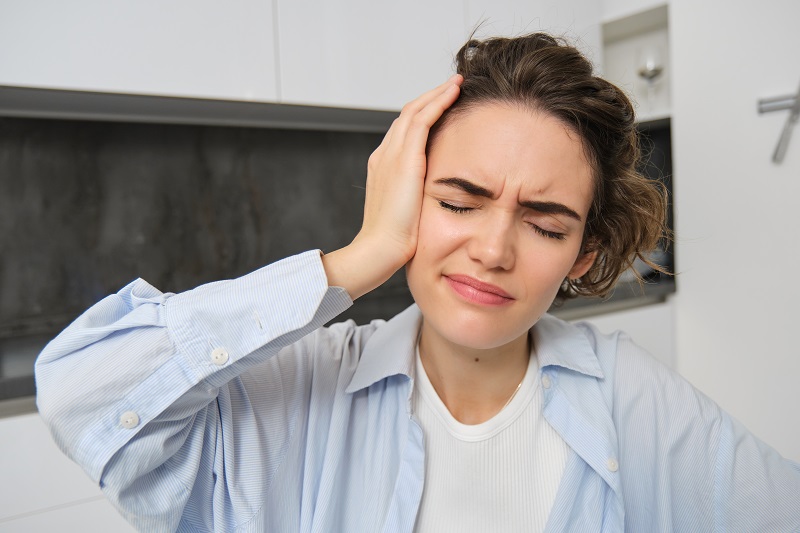
Allergic reactions occur when your immune system mistakenly identifies harmless particles, such as pollen, dust, pet dander, or mold, as toxins. It unleashes histamine and other chemicals to defend you, sparking symptoms such as a runny nose, itchy throat, congestion, and red eyes. These reactions typically target the upper respiratory system, but they can spread outward, inflaming nearby structures, such as the ears. Many folks dismiss ear pain and discomfort as unrelated to an allergic reaction, yet allergies often lurk as the true culprit.
Ear Pain and Allergies’ Role
Ear pain, or otalgia, can stem from various sources, including infections, barometric shifts, or trapped fluid behind the eardrum. Allergies often go unnoticed but play a significant role by disrupting the ear’s anatomy.
The Allergy-Ear Connection
Allergies can sabotage your ear health through interconnected pathways. Here’s how:
Eustachian Tube Blockage
These narrow passages equalize middle-ear pressure and drain fluid. Allergic swelling clogs them, creating a stuffed, painful sensation and muffled sounds.
Sinus Pressure
Blocked sinuses from allergies build pressure that travels to the ears, mimicking direct ear pain without an actual ear issue.
Middle-Ear Fluid Accumulation
Histamine promotes mucus production, leading to fluid pockets that cause fullness, discomfort, and an increased risk of potential infection.
Tinnitus
The phantom ringing or buzzing known as tinnitus can flare up or intensify in response to allergies. Swelling from histamine clogs pathways, amplifying noise and irritation.
Treating Allergies and Ear Symptoms
You can target both root causes and symptoms effectively with the correct approach.
Allergy Triggers
- Antihistamines (e.g., loratadine) block histamine, while decongestants shrink swollen tissues to reopen the Eustachian tubes.
- Corticosteroid sprays reduce inflammation, while saline rinses help flush out allergens.
Steam from a hot shower or humidifier loosens mucus, easing ear pressure.
Ear Discomfort
Heat Therapy, such as a warm cloth over the ear, promotes drainage and relaxes tissues.
Pain relief medications and over-the-counter options, such as ibuprofen, can help alleviate inflammation, aches, and pain.
Easing Tinnitus
- Hydrate well to help mucus flow.
- Reduce caffeine intake to help reduce tension.
- Practicing stress-reduction techniques, such as deep breathing, can help alleviate stress and support the balance of ear fluid.
When To See A Medical Professional
Allergy ear pain usually fades with self-care, but watch for:
- Unrelenting or escalating pain despite OTC remedies.
- Fever, pus-like discharge, or abrupt hearing changes.
- Tinnitus that disrupts sleep or daily life.
These may indicate an infection or other complications that require antibiotics or further tests. Allergy-induced ear pain affects millions, but awareness and action make it manageable. By addressing allergies head-on, you can quiet the rings, lift the pressure, and breathe more easily. Audiologists specialize in these intertwined issues, offering tailored diagnostics and therapies. Ready for clearer ears? Reach out today to book a consultation and step into symptom-free days.
Frequently Asked Questions
Allergies cause ear pain by triggering inflammation and swelling in the Eustachian tubes, which are responsible for equalizing pressure and draining fluid from the middle ear. This blockage leads to a stuffed, painful sensation, muffled hearing, and fluid accumulation that can cause discomfort and increase infection risk.
Ear pain linked to allergies is often accompanied by symptoms such as congestion, sinus pressure, runny nose, itchy throat, and red eyes. Additionally, you might experience a feeling of fullness in the ear, muffled hearing, or tinnitus flare-ups that coincide with other allergy symptoms.
To treat ear discomfort from allergies, antihistamines and decongestants can reduce inflammation and open clogged Eustachian tubes. Corticosteroid sprays and saline rinses help reduce allergens and inflammation, while warm compresses and pain relievers like ibuprofen alleviate pain and promote drainage.
Yes, allergies can contribute to tinnitus by causing swelling and blockage in ear pathways due to histamine release. This increased pressure amplifies phantom ringing or buzzing sounds, which may worsen during allergy flare-ups.
Seek medical attention if your ear pain persists or worsens despite over-the-counter treatments, or if you experience fever, pus-like discharge, sudden hearing loss, or tinnitus that disrupts your sleep or daily life. These signs may indicate infection or complications requiring professional care.
Home remedies such as steam inhalation from a hot shower or humidifier can loosen mucus and ease ear pressure. Staying well-hydrated helps mucus flow, while reducing caffeine intake and practicing stress-reduction techniques like deep breathing can alleviate tension and support ear fluid balance.
Yes, corticosteroid nasal sprays reduce inflammation in nasal passages and sinuses, which can help open the Eustachian tubes and relieve ear pressure and pain caused by allergies. These sprays target the root inflammation to improve ear health indirectly.
Allergic reactions cause sinus congestion and blockage, which increases sinus pressure that can radiate to the ears. This pressure mimics ear pain even without direct ear infection, contributing to discomfort and a feeling of fullness in the ears.