
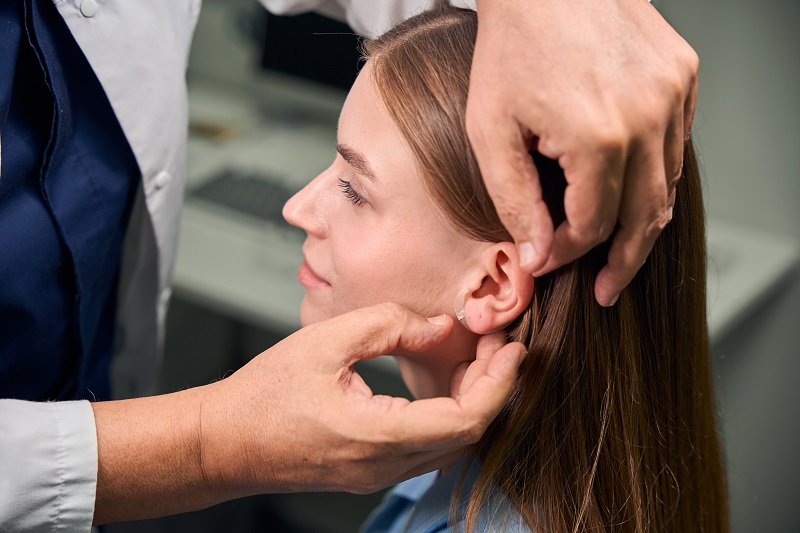
Hearing connects us to the world, fostering communication and relationships. For those with hereditary hearing loss, this vital sense is shaped by genetics, presenting unique challenges and opportunities. Advances in technology and research are paving the way for better management and a deeper understanding of this condition.
What Is Hereditary Hearing Loss?
Hereditary hearing loss results from genetic mutations that affect the development or function of the auditory system. It can manifest at birth or later, with severity ranging from mild to profound and affecting one or both ears. It may occur alone (non-syndromic) or in conjunction with other conditions (syndromic), depending on the specific genes involved.
The Genetic Connection
Genes control the formation of ear structures like the cochlea, hair cells, and auditory nerve. Mutations, such as those in the GJB2 gene (linked to the Connexin 26 protein), disrupt these structures, leading to hearing loss. Inheritance patterns—autosomal dominant, recessive, X-linked, or mitochondrial—dictate the condition’s onset, progression, and impact.
Syndromic vs. Non-Syndromic Hearing Loss
About 30% of hereditary hearing loss is syndromic, tied to conditions like Usher, Pendred, or Waardenburg Syndrome, which may include vision issues, thyroid disorders, or unique physical traits. Non-syndromic hearing loss, which is more common, affects hearing solely and varies in severity, complicating both diagnosis and treatment.
Early Detection Matters
For families with a history of hearing loss, newborn screenings are critical for establishing a baseline and guiding interventions. Sensorineural hearing loss, which is common in genetic cases, results from damage to the cochlea or the auditory nerve. Modern hearing aids and cochlear implants amplify sound and improve clarity, offering tailored solutions.
Environmental Influences
Although genetic, hereditary hearing loss can be exacerbated by environmental factors, including loud noise, ototoxic drugs, or conditions such as diabetes. Some mutations increase susceptibility to age-related or noise-induced hearing loss, underscoring the importance of protective measures.
Effective Management Strategies
Hearing aids and cochlear implants offer significant support, with digital features such as noise reduction and Bluetooth capabilities enhancing their functionality. Aural rehabilitation programs help users adapt to devices, rebuild communication skills, and boost confidence.
Psychosocial Effects and Support
Hereditary hearing loss impacts social connections, education, and mental well-being. Counseling, support groups, and educational resources foster resilience, reducing isolation and improving quality of life.
Prevention and Lifestyle Choices
Protecting your ears from noise, avoiding ototoxic drugs, and prioritizing overall health can help slow the progression of hearing loss. Regular assessments enable early intervention, empowering proactive management of hearing health.
Why Genetics Are Key
Understanding the genetic basis of hearing loss informs treatment choices and drives research into targeted therapies. It’s both a personal connection to family history and a gateway to modern solutions.
Early Intervention for Kids
Early programs involving audiologists, speech therapists, and educators support language and cognitive growth in children with hearing loss. Parental engagement strengthens communication strategies, enabling children to thrive.
Partnering with ENTs
ENT specialists provide advanced solutions, from cutting-edge hearing devices to personalized rehabilitation plans. Reach out today for expert guidance to enhance communication and improve your quality of life.
Frequently Asked Questions
Hereditary hearing loss is caused by genetic mutations that affect the development or function of the auditory system. It can be present at birth or manifest later in life, with severity varying from mild to profound. This type of hearing loss may occur alone or alongside other syndromes depending on the genes involved.
Syndromic hereditary hearing loss, comprising about 30% of cases, occurs in combination with other medical conditions like vision issues or thyroid disorders. Non-syndromic hearing loss affects only hearing without accompanying symptoms and is more common, making diagnosis and treatment more complex.
Genes control critical ear structures such as the cochlea and auditory nerve. Mutations in specific genes like GJB2 disrupt these functions and inheritance patterns determine when and how the hearing loss presents and progresses, including dominant, recessive, X-linked, or mitochondrial transmission.
Early detection through newborn screenings establishes a baseline for hearing function, enabling timely intervention. Early management can improve outcomes by utilizing devices like hearing aids or cochlear implants and supporting language and cognitive development in affected children.
Environmental factors like loud noise exposure, ototoxic drugs, and health conditions such as diabetes can worsen genetically caused hearing loss. Some genetic mutations increase vulnerability to damage from these factors, making protective measures critical to slow progression.
Management includes digital hearing aids and cochlear implants that enhance sound clarity and features like noise reduction. Aural rehabilitation programs help users adapt to devices and improve communication skills, thus enhancing confidence and quality of life.
Hereditary hearing loss can affect social interactions, education, and emotional health, potentially causing isolation. Counseling, support groups, and educational resources help individuals build resilience, improve communication, and maintain mental well-being.
ENT specialists provide expert evaluation and offer advanced treatment options like state-of-the-art hearing devices and personalized rehabilitation plans. They guide patients toward solutions tailored to their specific hearing needs to improve communication and life quality.