
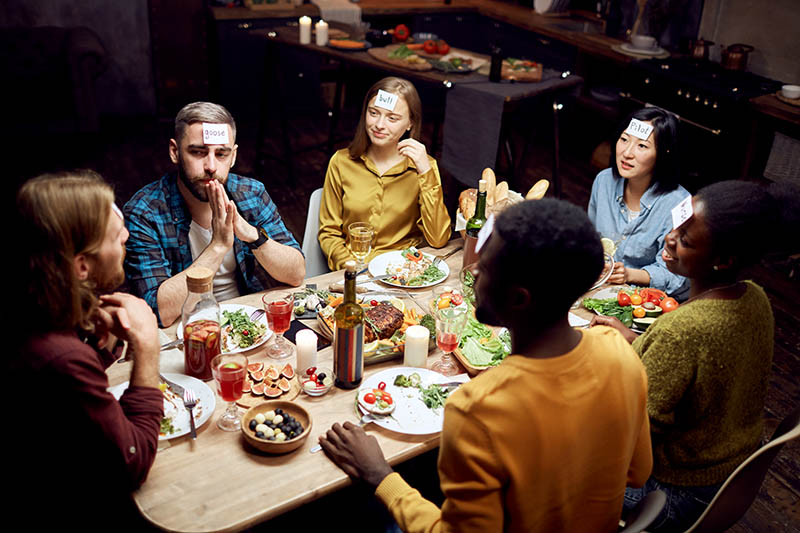
Festive gatherings often feature holiday music, continuous conversations, and other noises, which can present challenges for people dealing with hearing loss. Even when assisted by hearing aids, these individuals may still struggle to hear during social events such as parties, dinners, and other gatherings. Dinner table syndrome occurs when individuals with hearing loss experience feelings of exclusion and isolation, finding it difficult to engage in conversations.
Dinner Table Syndrome: How to Avoid It During the Holiday Season
Being a Hearing Loss-Friendly Host:
Fortunately, several straightforward accommodations can be implemented to ensure that guests with hearing loss feel included and valued during the event. Incorporate proactive measures into your party planning to foster an inclusive environment and prevent communication challenges at the dinner table.
Make a Quiet Space
Designate a specific area of your home or event as a quiet space where background noise and loud sounds are reduced and kept to a minimum. Make sure to consider the nature of your guest list. If young children are in attendance, designate a playroom where they can engage with their toys. Additionally, if sports fans want to watch a game, ensure the television does not interrupt the quiet space.
Reducing Noise Levels
If it is impossible to establish separate rooms for viewing the big game or a children’s play area, make sure to turn down the television and music while eating. When the background sounds are loud, it can lead to increased conversation volume among guests.
Preventing Dinner Table Syndrome:
Feelings of isolation and disconnection have no place at the holiday meal. However, you can take a few easy steps to help reduce the likelihood of anyone feeling left out.
Proper Lighting
If the room is too dark, it can make it difficult for lip readers. Consider adding additional lamps to brighten dark areas.
Seating Arrangement
The actual placement of guests at the dining table plays a consequential role in the dining experience. Position the individual using hearing aids at the table away from high-noise areas, such as the kitchen area or speakers.
Considering The Table
The shape of the table does matter; for example, round tables can be beneficial as they promote inclusive conversations, making it easier for individuals with hearing loss to engage and participate fully.
Clean Lines of Sight
Eye contact and clear visibility are vital for communication. Keep lines of sight at the table unobstructed. Choose decorations that sit below eye level or move large objects off the table before serving the meal.
Curtains and Windows
Closing windows and curtains can significantly minimize glare and soften sound waves, creating a more comfortable and facilitative environment.
Speak Up If You Are Having Issues:
If you find yourself attending a holiday gathering as a guest, it’s a good idea to approach the host and discuss any specific needs you may have. It is entirely appropriate to request seating arrangements that allow for optimal interactions, such as inviting a friend or family member to accompany you, as they can assist in enabling conversations that may otherwise be difficult to follow. Should you encounter challenges in hearing due to ambient noise, inform someone so they can help you find appropriate accommodations.
Frequently Asked Questions
Dinner table syndrome refers to the feelings of exclusion and isolation experienced by individuals with hearing loss during social events like holiday meals. Despite using hearing aids, background noise and continuous conversations make it difficult for them to engage in conversations, leading to discomfort and disconnection.
Hosts can create a hearing loss-friendly environment by designating a quiet space with reduced background noise, lowering the volume of televisions and music during meals, ensuring proper lighting for lip reading, arranging seating away from noisy areas, and choosing round tables to promote inclusive conversations. Removing visual obstructions and controlling glare also help facilitate communication.
Proper lighting is crucial because many individuals with hearing loss rely on lip reading and facial cues to understand conversations. Dimly lit rooms make it hard to see these visual signals, so adding lamps or brightening dark areas can greatly improve communication and inclusion during meals.
Seating plays a vital role by positioning guests with hearing loss away from noisy areas like kitchens and speakers. It also helps to seat them where they have a clear line of sight to other speakers, allowing better lip reading and easier interaction, thereby reducing feelings of exclusion.
Round tables are beneficial because they allow everyone to face each other, encouraging inclusive conversations. This arrangement makes it easier for individuals with hearing loss to see and hear all participants, fostering better engagement and reducing isolation.
Hosts can minimize noise by turning down the volume on televisions and music, closing windows and curtains to reduce sound waves and glare, and designating separate areas for noisy activities like children playing or watching sports. These measures create a quieter, more comfortable environment for guests with hearing loss.
Guests are encouraged to communicate their needs to the host, such as requesting specific seating arrangements or inviting a friend to assist with conversations. Informing someone about hearing difficulties enables the host to provide appropriate accommodations and ensure a more inclusive experience.