
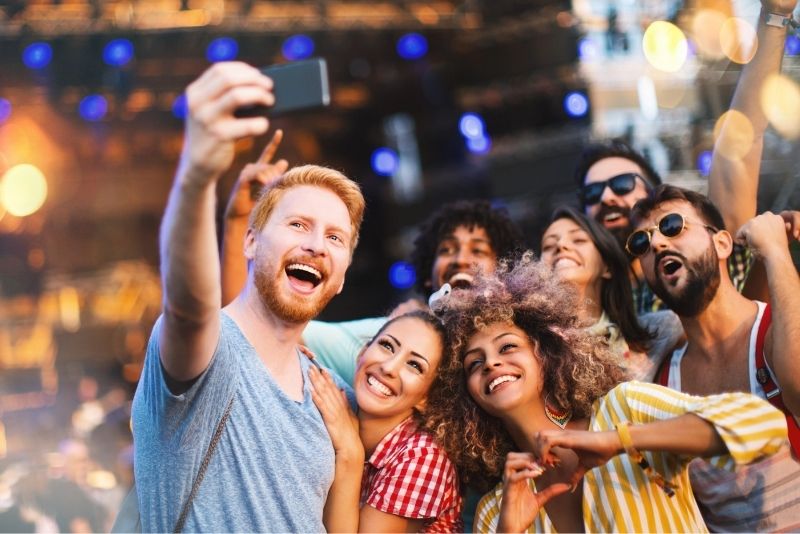
Summer is filled with outdoor concerts, music festivals, sporting events, fireworks displays, and community celebrations. These events create memorable experiences, but they also expose attendees to sound levels that can be much louder than many people realize. While a few hours at a concert may not seem concerning, repeated exposure to loud noise can gradually affect hearing over time.
Unlike many other health concerns, hearing damage often develops without obvious warning signs. You may not notice any immediate symptoms after a loud event, yet the delicate structures inside the inner ear can still be affected. This is why protecting your hearing during summer activities is just as important as wearing sunscreen or staying hydrated.
The good news is that enjoying concerts and outdoor events doesn’t have to come at the expense of your hearing. A few simple precautions can significantly reduce your risk while allowing you to continue participating in the activities you love.
How Loud Sounds Affect Your Hearing
Inside the inner ear are thousands of tiny sensory hair cells that convert sound waves into electrical signals for the brain. These cells are incredibly delicate and are responsible for helping us recognize speech, music, and everyday sounds. Unlike many other cells in the body, they do not regenerate once they have been damaged.
Noise-related hearing loss often occurs gradually. Frequent exposure to loud sounds, even if it is only a few times each summer, can have a cumulative effect over the years. Standing close to speakers at a concert or spending several hours at a loud sporting event may expose your ears to sound levels that exceed what is considered safe.
Even if your hearing returns to normal after temporary muffled hearing or ringing following a loud event, repeated exposure may increase the likelihood of permanent changes later in life.
Simple Ways to Protect Your Hearing
Protecting your hearing doesn’t mean avoiding concerts or skipping your favorite summer traditions. Instead, it’s about making smart choices that reduce unnecessary exposure to excessive noise.
High-quality earplugs designed for concerts can lower sound levels while still allowing you to enjoy music clearly. Positioning yourself farther away from large speaker systems also helps reduce the intensity of sound reaching your ears. If you’re attending an all-day festival or event, giving your ears periodic breaks in quieter areas can reduce listening fatigue and limit prolonged exposure.
These simple habits become even more important for individuals who attend multiple concerts or outdoor events throughout the summer.
Easy Hearing Protection Tips
- Wear properly fitted earplugs during concerts and festivals.
- Move farther away from speakers whenever possible.
- Take short listening breaks in quieter areas during long events.
These small adjustments require very little effort but can provide meaningful protection for your hearing over the long term.
Protecting Your Hearing Beyond Summer
Summer hearing protection is part of maintaining lifelong hearing health. Everyday activities such as mowing the lawn, using power tools, or operating recreational vehicles can also expose your ears to elevated noise levels. Building healthy listening habits now helps reduce cumulative damage over time.
If you’ve noticed changes in your hearing, frequently experience difficulty understanding conversations, or regularly attend loud events, scheduling a hearing evaluation is a proactive step. Early detection allows hearing changes to be identified before they begin interfering with daily communication.
Taking care of your hearing today helps ensure you can continue enjoying music, conversations, and the sounds of everyday life for years to come.
Frequently Asked Questions
Yes, everyday noise exposure, even at moderate levels, can contribute to gradual hearing loss over time. Activities such as commuting in traffic, using headphones at high volume, and working in noisy environments may cause stress to the inner ear's sensory cells, leading to progressive damage that accumulates without immediate symptoms.
Noise damages the tiny sensory cells inside the inner ear responsible for converting sound into signals for the brain. These cells are fragile and do not regenerate once damaged, so repeated or prolonged exposure to elevated noise levels causes permanent hearing loss by impairing their function.
No, hearing loss risk is not limited to sudden loud noises. Consistent exposure to moderately elevated noise levels over months or years can also cause progressive hearing damage. Therefore, protecting hearing from everyday noise exposure is important for long-term health.
You can reduce hearing strain by lowering headphone and device volume, taking breaks from noisy environments, and using hearing protection like earplugs during loud activities or events. These small lifestyle adjustments help minimize long-term damage to your hearing.
Protecting hearing helps preserve communication abilities, independence, and quality of life over time. Since hearing loss develops gradually and is often unnoticed until significant, prioritizing daily hearing protection and routine evaluations enables early detection and prevention of further damage.
Routine hearing evaluations are recommended to detect subtle changes early before hearing difficulties become severe. Frequency depends on individual risk factors, but regular check-ups with an audiologist help ensure proactive management and preservation of hearing health.