
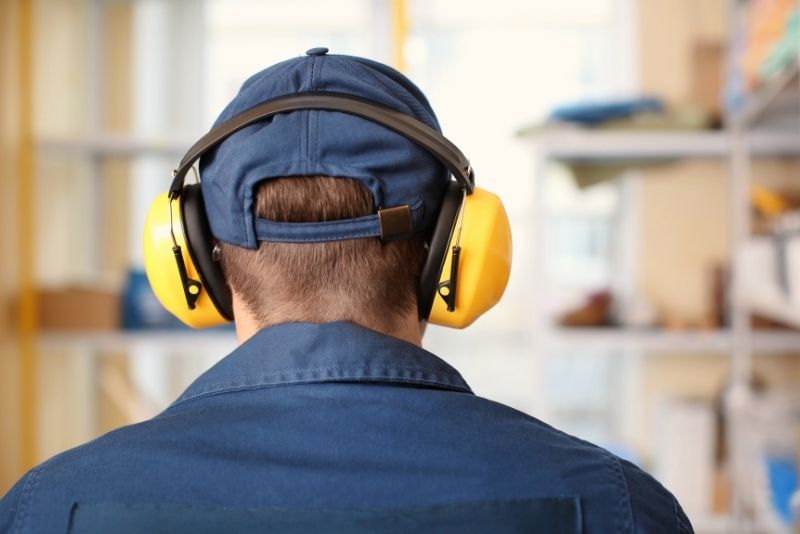
Everyday Noise Exposure Adds Up
Many people associate hearing damage with extremely loud events, but everyday environments can also contribute to gradual hearing loss over time. Repeated exposure to moderate or high noise levels can place stress on the delicate structures of the inner ear, even if symptoms are not immediately noticeable.
Common daily activities such as commuting in traffic, using headphones at high volume, or working in noisy environments may all contribute to long-term hearing changes. Because these effects develop gradually, people often do not recognize the impact until hearing difficulties begin affecting communication.
How Noise Impacts Hearing Health
Inside the inner ear are tiny sensory cells responsible for converting sound into signals the brain can interpret. Excessive noise exposure can damage these cells over time. Unlike many other cells in the body, they do not regenerate once damaged, making prevention especially important.
The risk is not limited to sudden loud sounds. Consistent exposure to elevated noise levels over months or years can also contribute to progressive hearing loss. Protecting hearing should be viewed as part of long-term overall health maintenance.
Simple Ways to Reduce Hearing Strain
- Lower headphone and device volume when possible
- Take listening breaks in noisy environments
- Use hearing protection during loud activities or events
These small adjustments can significantly reduce long-term strain on hearing.
Prioritizing Long-Term Hearing Health
Protecting hearing on a daily basis helps preserve communication, independence, and quality of life. Routine hearing evaluations can also help identify subtle changes early, allowing individuals to take proactive steps before hearing difficulties progress further.
Frequently Asked Questions
Yes, everyday noise exposure, even at moderate levels, can contribute to gradual hearing loss over time. Activities such as commuting in traffic, using headphones at high volume, and working in noisy environments may cause stress to the inner ear's sensory cells, leading to progressive damage that accumulates without immediate symptoms.
Noise damages the tiny sensory cells inside the inner ear responsible for converting sound into signals for the brain. These cells are fragile and do not regenerate once damaged, so repeated or prolonged exposure to elevated noise levels causes permanent hearing loss by impairing their function.
No, hearing loss risk is not limited to sudden loud noises. Consistent exposure to moderately elevated noise levels over months or years can also cause progressive hearing damage. Therefore, protecting hearing from everyday noise exposure is important for long-term health.
You can reduce hearing strain by lowering headphone and device volume, taking breaks from noisy environments, and using hearing protection like earplugs during loud activities or events. These small lifestyle adjustments help minimize long-term damage to your hearing.
Protecting hearing helps preserve communication abilities, independence, and quality of life over time. Since hearing loss develops gradually and is often unnoticed until significant, prioritizing daily hearing protection and routine evaluations enables early detection and prevention of further damage.
Routine hearing evaluations are recommended to detect subtle changes early before hearing difficulties become severe. Frequency depends on individual risk factors, but regular check-ups with an audiologist help ensure proactive management and preservation of hearing health.