
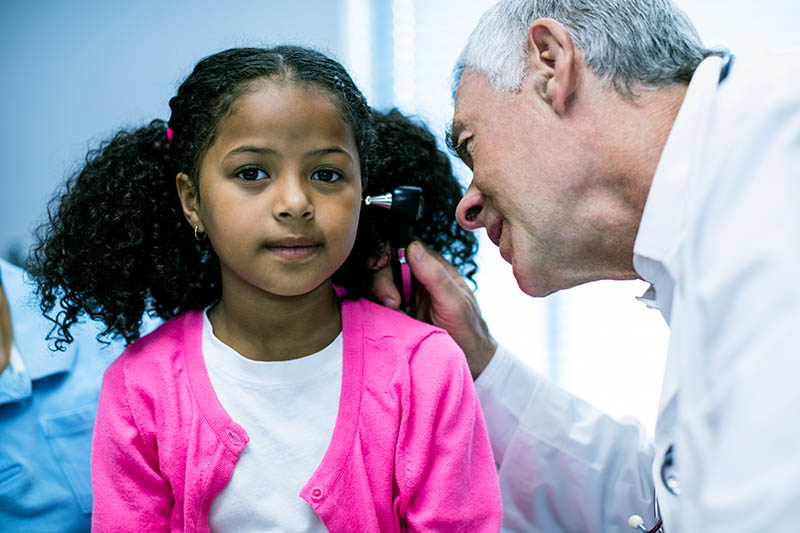
If you have young children, you may be aware of the prevalence of earaches. While adults can also suffer from these ailments, children are more likely to have an infection due to their developing immune systems, which have not yet fully adapted to combat common viruses and bacteria effectively. While it is not always possible to prevent every infection, understanding their causes can empower you to implement measures that may reduce the risk of ear infections in children.
How to Prevent Ear Infections in Children
How Ear Infections Happen
Ear infections happen in the middle ear, an air-filled cavity behind the eardrum. This area contains small, vibrating bones essential for sound transmission, enabling hearing. Factors such as colds, influenza, and allergies can contribute to the onset of ear infections. These conditions often lead to congestion and inflammation in the nasal passages and throat. When fluid collects in the middle ear and fails to drain effectively, the risk of developing an ear infection significantly increases.
Likelihood of Occurrence
Ear infections happen more often during the fall and winter months, coinciding with a rise in respiratory infections such as colds and influenza. Children aged two and younger are especially at risk for ear infections due to the difference in their Eustachian tubes, which are smaller and shaped differently.
Advise
Implementing these tips can help reduce the incidence of ear infections.
• Avoiding cigarette smoke, indoor vaping, and other kinds of air pollution can reduce your child’s chances of getting an ear infection.
• Good hygiene is essential to help reduce the chance of infection. Washing with soap and water frequently can significantly reduce the transmission of germs, thereby minimizing the risk of diseases, such as the flu or the common cold, in children. Additionally, it is advisable to make an effort to ensure that your child avoids placing unclean objects in their mouth.
• Infants who breastfeed for 12 months or more are typically associated with a decreased incidence of infections. Research indicates that children who use a bottle in a reclined position or frequently use a pacifier after 12 months may have an increased risk of developing ear infections.
• There is an increased likelihood of exposure to germs in settings where children gather in large numbers, such as schools and daycare facilities.
When to See a Doctor
Taking ear infection symptoms seriously can help ensure your child’s well-being. If you observe any of the following indicators concerning your child’s health, it is advisable to seek medical attention promptly:
– The child is younger than 3 and has a fever of 100.4°F (38°C) or higher.
– The fever exceeds 104°F (40°C) at any time, regardless of the child’s age.
– A fever persists for more than 24 hours in a toddler under 2 years of age.
– A fever that lasts longer than 3 days in children aged 2 years and older.
– Your child exhibits significant discomfort, and common pain relief medications such as acetaminophen or ibuprofen do not provide relief.
– The presence of pus or bloody discharge from the child’s ear should be addressed immediately.
Frequently Asked Questions
Ear infections in children occur in the middle ear when fluid collects and doesn't drain properly, often following colds, influenza, or allergies that cause congestion and inflammation. The middle ear is an air-filled cavity behind the eardrum that contains small bones essential for hearing, and infections can disrupt this area.
Children, especially those under two years old, have smaller and differently shaped Eustachian tubes, which makes it harder for fluid to drain from the middle ear. Additionally, their developing immune systems are less effective at combating viruses and bacteria, increasing the risk of ear infections.
To reduce ear infections, avoid exposing children to cigarette smoke and indoor air pollutants, practice good hygiene such as frequent handwashing, encourage breastfeeding for 12 months or more, avoid bottle-feeding in reclined positions, limit pacifier use after 12 months, and minimize exposure to large group settings where germs spread easily, like daycare or schools.
Seek medical attention promptly if your child is under 3 with a fever of 100.4°F or higher, any child has a fever above 104°F, fevers persist beyond 24 hours in toddlers under 2 or 3 days in children over 2, if the child experiences severe pain not relieved by medication, or if there is pus or bloody discharge from the ear.
Yes, ear infections occur more frequently during the fall and winter months when respiratory infections like colds and influenza increase. This seasonal rise in related illnesses raises the chances of middle ear congestion and fluid buildup, leading to infections.
Breastfeeding infants for 12 months or longer is associated with a decreased incidence of ear infections. Breast milk supports the child's immune system and reduces exposure to pathogens that may contribute to infections compared to bottle feeding, especially when bottles are used in reclined positions.
Yes, exposure to cigarette smoke, indoor vaping, and other air pollutants can increase the likelihood of ear infections by irritating the respiratory and ear passages, weakening the immune response, and promoting infection in children’s sensitive middle ear areas.