
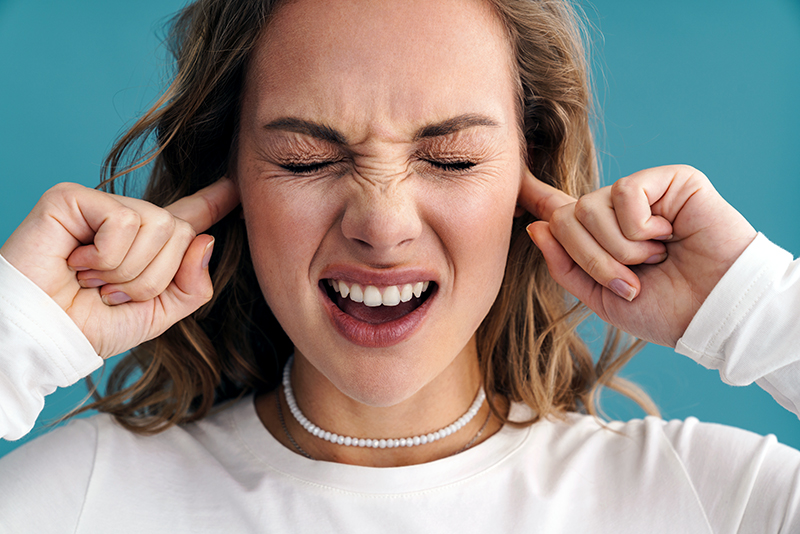
Have you ever encountered the uncomfortable sensation of pressure or fullness in your ears, often accompanied by reduced hearing clarity? This experience is typically related to changes in air pressure, which can occur during activities such as flying, scuba diving, or navigating mountainous regions. While this often occurs throughout our lives, knowing how to pop your ears is crucial. This article aims to outline safe and effective techniques for relieving ear pressure and examine how variations in ear pressure can affect tinnitus.
When And How To Pop Your Ears
Pressure Imbalances
The Eustachian tube is a thin opening connecting the middle ear to the nasopharynx, vital in regulating air pressure within the ear. When the Eustachian tube fails to open correctly or becomes obstructed, a condition known as Eustachian tube dysfunction may arise. Many individuals report experiencing a clicking or popping sensation in their ears during swallowing, a phenomenon associated with this dysfunction. This happens due to the movement of air into the ear, as the lining of the ear continuously absorbs this air to help equalize pressure on both sides of the eardrum. However, if the Eustachian tube becomes obstructed or there is a discrepancy between external and internal pressure, it can lead to a feeling of fullness in the ears.
How to Pop Your Ears Safely
Swallowing
Swallowing can facilitate the opening of the Eustachian tube, which aids in equalizing pressure in the ears. Chewing gum or drinking water is recommended to alleviate ear pressure.
Yawning
Yawning serves a physiological function by assisting in the regulation of air pressure within the ears. This process occurs by stretching the tissue associated with the opening of the Eustachian tube.
Frenzel Maneuver
To execute this maneuver, gently pinch the nostrils closed and produce a clicking sound using the tongue, similar to a “K” sound.
Toynbee Maneuver
This maneuver involves pinching your nostrils closed and swallowing at the same time.
Valsalva Maneuver
With this maneuver, gently pinch your nostrils closed and exhale softly through your nose to equalize pressure in the ears. This technique can assist in opening the Eustachian tube, thereby relieving any pressure buildup.
When to Seek Out Medical Help
While popping your ears is typically considered safe and effective, persistent issues with ear pressure or difficulties in achieving this relief may signal an underlying condition that warrants medical evaluation. If standard techniques for alleviating ear pressure are ineffective, seeking guidance from a healthcare professional is prudent. Individuals experiencing severe or ongoing pain or discomfort in the ear should prioritize contacting a medical expert.
A healthcare provider may suggest therapeutic interventions such as decongestants or steroids to help alleviate ear congestion or antibiotics in the case of an ear infection. In rare instances, medical intervention may enable fluid drainage and equalize ear pressure. Should severe pain, hearing loss, recurrent ear infections, or persistent ear pressure occur despite home remedies, contacting your local ear, nose, and throat specialist is advisable for a comprehensive evaluation and suitable treatment options.
Frequently Asked Questions
The sensation of pressure or fullness in the ears is usually caused by a difference in air pressure between the inside and outside of the ear. This occurs when the Eustachian tube, which connects the middle ear to the nasopharynx, fails to open properly or becomes blocked, leading to pressure imbalances.
Swallowing helps pop your ears by opening the Eustachian tube, allowing air to flow into the middle ear and equalize pressure on both sides of the eardrum. Activities like chewing gum or drinking water stimulate swallowing and can relieve ear pressure.
The Valsalva maneuver is a technique to equalize ear pressure by gently pinching your nostrils closed and softly exhaling through your nose. This increases pressure in the nasopharynx, helping to open the Eustachian tube and relieve ear pressure buildup safely.
You should seek medical help if home techniques to pop your ears are ineffective, if you experience severe or persistent ear pain, hearing loss, recurrent infections, or continuous pressure. A healthcare professional can assess underlying conditions and provide treatments such as decongestants, steroids, or antibiotics.
Besides swallowing and yawning, you can try the Frenzel maneuver—closing your nostrils and clicking your tongue—and the Toynbee maneuver—closing your nostrils and swallowing simultaneously. Both techniques help open the Eustachian tube to balance ear pressure.
Variations in ear pressure can influence tinnitus, with pressure imbalances sometimes exacerbating the perception of ringing or buzzing sounds. Managing ear pressure effectively can help reduce tinnitus discomfort related to these changes.
While the Valsalva maneuver is generally safe when done gently and occasionally, frequent or forceful use can potentially cause damage to the ear or inner ear structures. It's best to use it sparingly and consult a healthcare provider if you need to pop your ears often.