
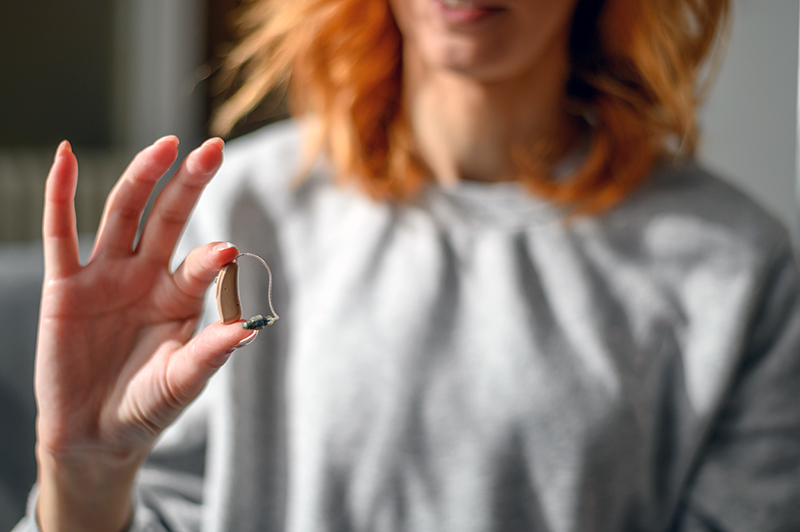
Interestingly, people who require hearing aids tend to defer getting their hearing checked for an average of seven years. This can be attributed to the societal stigma attached to hearing aids, often associated with aging. People have many questions about hearing loss and hearing aids, and it’s important to have accurate and helpful information available to answer them. In this blog post, we’ll dive into some of the most frequently asked questions patients have brought to our attention and provide detailed answers. Whether you’re curious about the different types of hearing aids available, how to properly care for your hearing aids, or what to expect during a hearing evaluation, we’ll do our best to provide you with the information you need to make informed decisions about your hearing health.
Hearing Loss and Hearing Aids Frequently Asked Questions
How Can I Tell If I Need a Hearing Test?
It is a frequently inquired matter since patients are the ones who ultimately determine when to seek the professional services of an audiologist. Common indications include:
• Having a hard time hearing in close conversation
• Turning the media volume up very loud or using closed captioning
• More difficulty hearing higher-pitched sounds
Can Hearing Aids Assist with Tinnitus?
Tinnitus is an ailment that induces ringing and buzzing in the ears, which can be distressing for sufferers. However, some hearing aids have been designed to alleviate tinnitus symptoms by incorporating white noise and other sounds. This innovative technology has been found to be effective in reducing the discomfort associated with tinnitus, providing a viable solution for those who suffer from this condition.
What Should I Expect From a Hearing Test?
This process is entirely painless. Firstly, we will have a conversation with you and ask some thorough inquiries about the various challenges you may have encountered. We will then examine your ears, possibly using a video device. After that, you will enter a soundproof booth where we will conduct an audiometry test to determine the frequencies you may be struggling to hear or cannot hear at all.
Big-Box Retailers Offer Hearing Aids at a Lower Price Point. Why Should I Purchase Hearing Aids from an Audiologist?
The most significant advantage is the customization of your hearing aid. An ENT specialist will take the time to thoroughly evaluate your hearing to determine the best hearing aid for your individual needs. This includes assessing your hearing loss level, lifestyle, and personal preferences. This level of customization is essential to achieving the best possible hearing results. Big-box retailers and mail-order services cannot provide this level of personalized care, leaving you with a hearing aid that may not fit your needs best.
It is our hope that the answers to these frequently asked questions have provided you with the necessary boost and encouragement to pick up the phone and schedule an appointment with us today! If you’re in the market for a new hearing aid, make an appointment immediately. We can conduct testing and fit you with an ideal hearing aid for your needs.
Frequently Asked Questions
You might consider getting a hearing test if you find it difficult to hear during close conversations, frequently turn up the volume on media devices, use closed captioning, or struggle to hear higher-pitched sounds. These common indicators suggest that your hearing may be impaired, and scheduling a professional evaluation can provide clarity.
Yes, some hearing aids are designed to alleviate tinnitus symptoms by incorporating white noise and other soothing sounds. This technology can reduce the ringing or buzzing in the ears, offering relief and improving comfort for those who suffer from tinnitus.
A hearing test is a painless process that begins with a discussion about your hearing challenges, followed by an ear examination possibly aided by video technology. You will then enter a soundproof booth where an audiometry test is performed to identify the specific frequencies you have difficulty hearing, helping to accurately assess your hearing loss.
Purchasing hearing aids from an audiologist ensures a customized fit and proper evaluation tailored to your individual hearing loss, lifestyle, and preferences. Audiologists provide personalized care for the best hearing results, whereas big-box retailers and mail-order services typically offer generic options without this level of customization.
There are various types of hearing aids designed to meet different needs, including behind-the-ear (BTE), in-the-ear (ITE), and completely-in-canal (CIC) models. The selection depends on factors such as the degree of hearing loss, lifestyle, and aesthetic preferences, all of which an audiologist can help evaluate.
Proper care of hearing aids includes regularly cleaning them, keeping them dry, replacing batteries as needed, and having them professionally serviced. Following these steps helps maintain optimal performance and extends the lifespan of your devices.
After being fitted with hearing aids, you will undergo a period of adjustment where you learn to use the devices effectively. Follow-up appointments are important to fine-tune the settings and address any issues, ensuring optimal comfort and performance in daily life.