
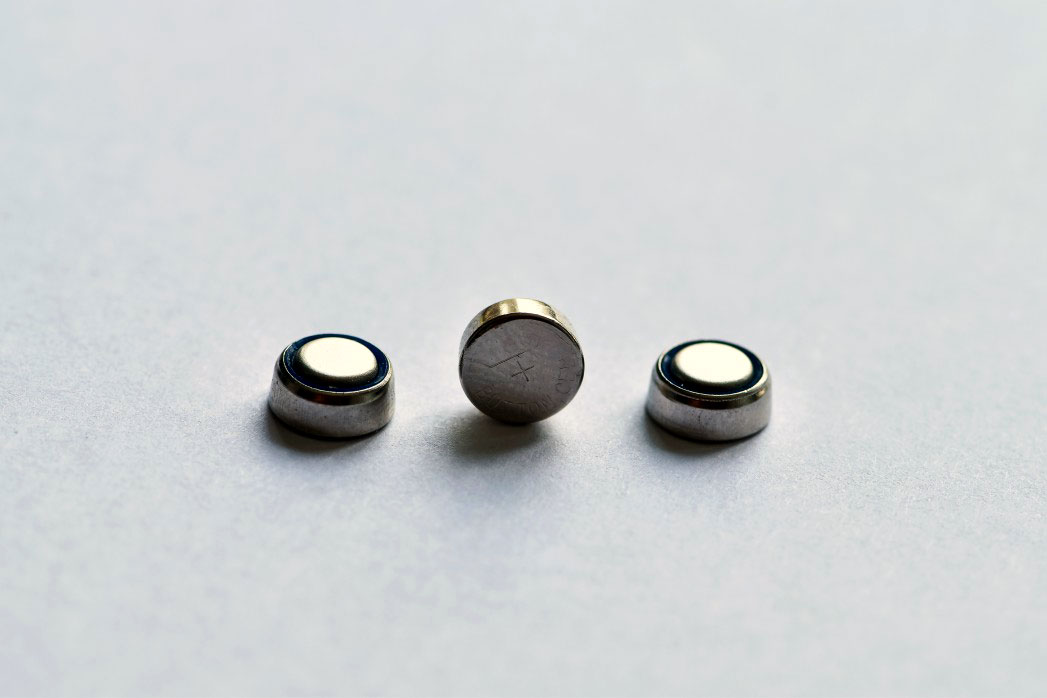
If you wear hearing aids or are planning on purchasing your first pair soon, you may not know a lot about this delicate piece of technology, let alone the batteries that keep them going. There are various types of hearing aids out there, so if you are looking to know more about your hearing aid device, you need to look into your specific model. However, many don’t realize that there are things to know about hearing aid batteries, some of which can help you increase the performance of your batteries, which as a result, will help keep your hearing aids working in tip-top condition. So, if you currently wear hearing aids or plan to soon, learn more about the basics of hearing aid batteries to help improve the performance of your device.
There’s a lot to know when it comes to your hearing aid device, but being well-informed about the basics of hearing aid batteries can help keep your hearing aids working to the best of its ability. Continue reading to learn more about hearing aid batteries. We guarantee you will find this information useful.
• Make sure you do not remove the stickers off of your hearing aid batteries until you are ready to use them. Removing the sticker prematurely can minimize the life of the battery, so keep the sticker in place to keep your batteries fresh.
• There are other factors that can affect the life of your hearing aid batteries, such as the size of the battery, the settings used, the use of additional features (such as Bluetooth), environmental factors (temperature and humidity), and the amount of time that the battery has been in use.
• To help maximize the life of your hearing aid batteries, peel off the sticker to expose and activate the battery. If you want to maximize your battery life, make sure you let the battery sit exposed, with the sticker removed, for 3-5 minutes. After 3-5 minutes, then you can insert them into the hearing aid.
• Do you not like the idea of continuously purchasing new hearing aid batteries? Or are you afraid you may not be able to keep a stockpile around? If this is the case, rechargeable batteries are an excellent alternative option. With rechargeable batteries, you can charge them at night while you sleep, and they will be ready in the morning!
• Anytime you are not using your hearing aid, shut it off and open the battery door. Doing so will help minimize battery drain and can also allow for any built-up moisture to escape. Condensation can harm your hearing aid and the battery, so keep the battery door open. If humidity gets built up, it can damage the hearing aid and corrode the battery.
• If you don’t want to use rechargeable batteries, and prefer to keep a supply of hearing aid batteries handy (which you should if you are using this method), make sure you store them in suitable conditions. Hearing aid batteries are best stored at room temperature (68- 77°F), as heat can shorten their lifespan. Also, watch out for humidity levels, as humid environments are not suitable for storage.
Frequently Asked Questions
The sticker on hearing aid batteries helps keep them fresh by preventing premature activation. Removing the sticker too early can cause the battery to drain faster, reducing its overall lifespan and effectiveness.
Several factors impact hearing aid battery life, including battery size, device settings, use of additional features like Bluetooth, environmental conditions such as temperature and humidity, and the length of time the battery has been in use. Being mindful of these can help optimize battery performance.
After peeling off the sticker, let the battery sit exposed for 3-5 minutes before inserting it into your hearing aid. This process activates the battery and helps maximize its lifespan, ensuring better performance for your device.
Yes, rechargeable batteries are an excellent alternative to disposable ones. They can be charged overnight and are ready to use in the morning, offering convenience and reducing the need to frequently purchase new batteries.
To minimize battery drain, shut off your hearing aid and open the battery door whenever you are not using it. This also helps release any moisture trapped inside, preventing damage to both the battery and hearing aid caused by condensation.
Store hearing aid batteries at room temperature, ideally between 68-77°F, in a dry environment. Avoid exposing batteries to heat or humidity, as these conditions can shorten their lifespan and reduce their effectiveness.